For English scroll down
في مدونتي الأخيرة كتبت عن الأحزاب العلمانية والدينية في هولندا في إطار الإنتخابات البلدية . استنتجت أن النظام الإنتخابي في هولندا يسمح بأحزاب لقضية واحدة وأن هناك إنقسام السياسيين في جبهة الأحزاب العلمانية اليمينية في طرف واحد، وجبهة الأحزاب العلمانية اليسارية وأحزاب المهاجرين وأحزاب ذات مرجعية إسلامية في الطرف الآخر
فازت في الإنتخابات الأخيرة الأحزاب المحلية بكثير من الأصوات على حساب الأحزاب العامّة ، بالأخص الأحزاب اليسارية والحزب اليميني بي . في . في . وهذا لا يعني أن الأحزاب اليمينية كلها قد خسرت ، فحزب اليسار الأخضر فاز في أمستردام ، والأيديولوجية اليمينية فازت في لاهاي عبر حزب محلي بإسم جروب دي موس . تطور مهم أيضاً هو أن دينك ، الحزب الذي يمثل صوت المهاجرين غير الغربيين كسب أصواتاً كثيرة
في روتردام إنهار التحالف بين الأحزاب اليسارية مع نداء قبل بدء الإنتخابات بسبب تغريدة لِنداء من سنة 2014 يقارن فيها الحزب إسرائيل بحركة داعش . صحيح أن نداء ابتعد عن التغريدة ولكن ليس ابتعاداً كافياً حسب الأحزاب اليسارية . في الإنتخابات في روتردام ظل الحزب اليميني المحلي ليفبار روتردام الأكبر . نداء حصل على مقعدين ومن الأحزاب اليسارية فقط اليسار الأخضر كسب ثلاثة مقاعد
الخطاب السياسي عن ألبيت
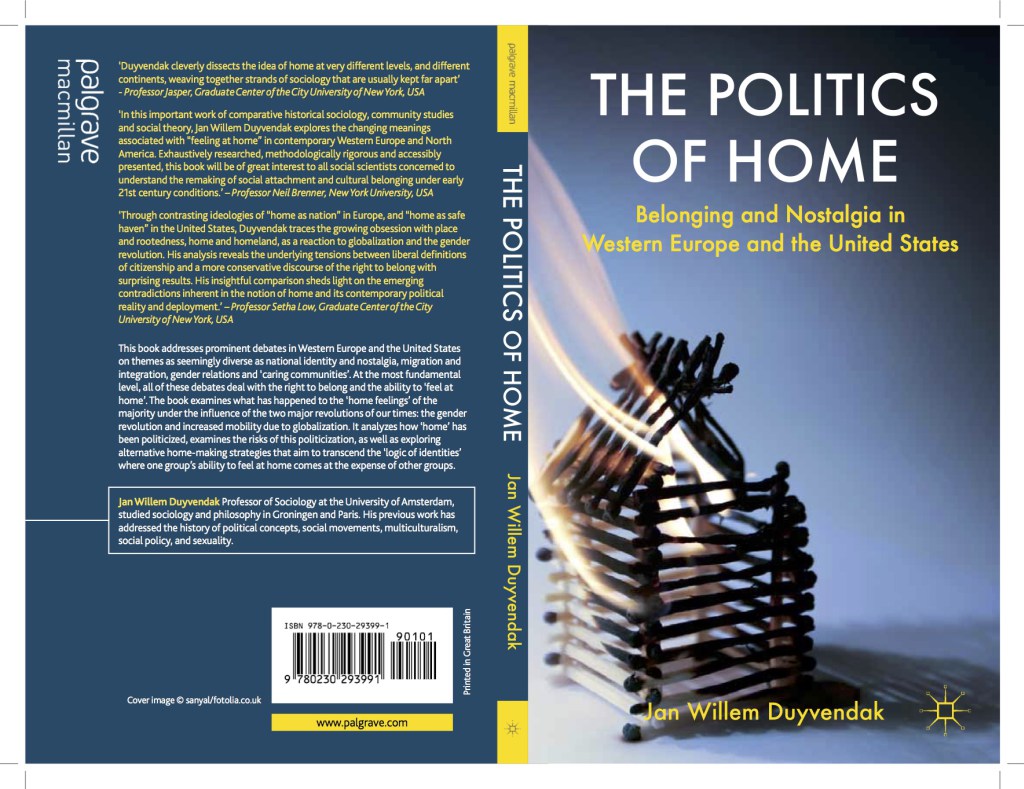
بشكل عام تُشير نتيجة الإنتخابات إلى تشظٍّ سياسي في هولندا . هذه المقالة تحاول أن تفسّر هذا التشظّي باستخدام كتاب للسوسيولوجي الهولنديّ يان ويليم ديفانداك الذي صدر السنة الماضية بعنوان : بيت: مأساة المجتمع العاطفيّ
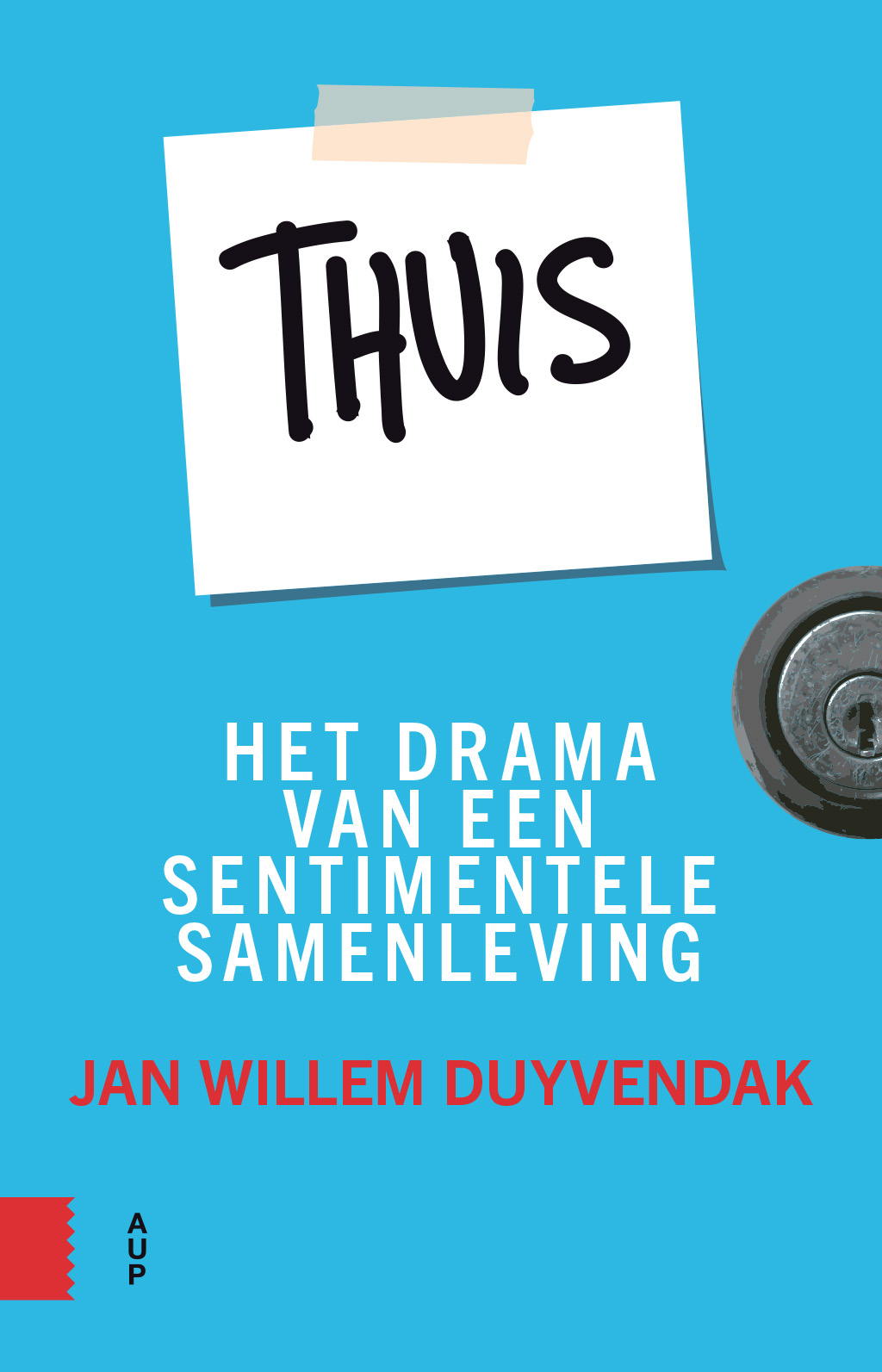
يقول ديفانداك في كتابه إن المشاعر والعواطف حلّت محل الجدل العقلاني في مواضيع معينة في النقاش السياسي المعاصر . ويُفصِّل إن السياسيين الهولنديين يستخدمون الكلمات بيت والشعور في البيت ، ليحصلوا على دعم سياسي .
يناقش ديفانداك قائلا بأن العواطف كثيراً ما لعبت دوراً في السياسة ، لكنه يضيف بأن استخدام الشعور في البيت أمر خطير لأن الفرد يحصل على هذا الشعور فقط مع قليل من الناس . وأضاف بأن إستخدام هذه المصطلحات، تثير السؤالين التالين : مَع مَن أشعر بالبيت ومع من لا ؟ ومَن أيضاً لديه الحق ليشعر في البيت هنا
علاوة على ذلك فإن استخدام السياسيين لكلمة بيت ، يجعلهم ينقلون المحيط الخاص إلى المعترك السياسي وهذا يؤدي إلى أن ينظر المواطنون إلى بعضهم البعض وكأنهم أفراد في عائلة واحدة . ويقول ديفانداك بأنه عندما يحدث ذلك فالمواطنون لا يريدون أن يختلف الآخرون عنهم كثيراً . وكما أن الفرد في أي عائلة يفضّل أن أفراد عائلته لا يخلتفون عنه . ونتيجة ذلك أن قضايا مثل اللباس( هل الحجاب مقبول في الوظائف العامّة ؟) أو التحية ( هل مسموح لمسلم أن يصافح امرأة؟ ) وحتى السباحة ( هل ممكن أن يكون توقيت خاص اسباحة النساء ؟ ) هذه القضايا أصبحت سياسية
البيت والتجانس
يقول ديفانداك إنه رغم استخدام السياسيين خطاباً عن البيت ورغم إدّعائهم أنهم يمثّلون الهولندي العادي فالمجتمع الهولندي لم يكن متجانساً في وقت ما ، أكثر مما هو الآن . إذ يشترك كثير من الهولنديين بآراء تقدمية وليبرالية حول مواضيع مثل الجنس ، باستثناء المجموعات الصغيرة الدينية المحافظة ( المسيحيون ، اليهود والمسلمون ) . وأن الإقتراح بأن التجانس غير موجود ، يؤدي إلى استقطاب في المجتمع
لماذا إذن تُستخدم هذه اللغة السياسية التي تقترح أن المجتمع الهولندي والثقافة الهولندية يواجهان خطراً من المهاجرين وأنه على المواطنين الهولنديين أن يشعروا في بيتهم من جديد
التفسير الأول : قد يكون هو التجانس تماماً . لأن الكثير من المجموعات السياسية والإجتماعية تشبه بعضها البعض . أمات الإختلافات القليلة الموجودة الباقية فيُبلَغ فيها ، لكي يميّزوا أنفسهم . هذا الشرح مبني على نظرية العالم النفسي سوغموند فرويد والتي تُسمّى بِنرجسيّة الإختلاف الصغيرة
التفسير الثاني ، هو أن المواطنين قلقون ويخافون من واحدة من الأقليات المتعددة ألا وهي مجموعة المسلمين المحافظين . والخوف والقلق مبنيان على فكرة أن مجموعة صغيرة من المسلمين المتطرفين تمثل المسلمين ككل ، رغم حقيقة أن الكثير من المسلمين لا يريدون أي علاقة بهذا الموضوع . وهناك سؤال يطرح نفسه : إلى أي مدى يتقبّل المجتمع الهولندي الأفراد الذين يرون أنفسهم مسلمين أولاً ؟ وكنت قد طرحت سؤالي هذا في مقالتي عن المسلمين في لاهاي .
أما التفسير الثالث فهو أن الكثير من المواطنين يشعرون بوجود نُخبة يسارية مسيطرة وأنهم يردون الإستقلال عنها بأن يدعموا آراء عكس آراء هذه النخبة . فعندما تُقرر النخبة حول مواضيع تمسّ تقاليدهم وثقافتهم ، فالنقاش السياسي قد إنتقل إلى إطار الشخص العادي ضد النُخبة
الشعور في البيت ونتيجة الإنتخابات
يُمكن تفسير التصويت للأحزاب المحلية في الإنتخابات الأخيرة بخطاب الشعور في البيت ، لأن المصوتين أظهروا أنهم يدعمون الأحزاب القريبة منهم والتي تُركّز في برامجها على المشاكل المحليّة
الأصوات الكثيرة لحزب دينك تُظهِر أن الجالية الأجنبية التي شعرت بأنها استُبعِدت في خطاب الشعور في البيت ، والشخص الهولندي العادي ، وهذا الشعور كثيراً ما أدّى إلى صدام سياسي ، لذلك هذه الجالية الأجنبية وجدت الشعور في البيت بالتصويت إلى هذا الحزب
تطور آخر مهم بالنسبة لهذه النقطة وهو أن الأحزاب الجديدة مثل دينك ، تواصلت مع الناس وحصلت على دعمهم عبر شبكة وسائل التواصل الإجتماعي. ولكن كما تُظهر فضيحة الفيسبوك وكامبريدج أناليتيكا ، بأن إحصاءات شبكة التواصل الإجتماعي ، قد تستخدمها أحزاب سياسية هادفة بشكل خاص الوصول إلى مجموعات مجتمعية فرعية . وهذه الحقيقة إضافة إلى تنامي دعم الأحزاب المحلية وأحزاب لقضية واحدة قد تزيد من التشظّي السياسي في المستقبل
تابعوا ديسيري على تويتر @desicusters
- أسماء الأحزاب :
- بي.في.في. =PVV
- اليسار الأخضر = GroenLinks
- جروب دي موس = Groep de Mos
- نداء = Nida
- ليفبار روتردام = Leefbaar Rotterdam
- دينك = Denk
Home and the results of the Dutch Local Elections
In my last blog I wrote about Dutch secular and religious parties in light of the local elections. I concluded that the Dutch electoral system allows for one-issue parties and that Dutch political cleavages are between on the one side secular right-wing political parties, and on the other side secular leftist, migrant parties and Islamic inspired-parties
In the recent elections local parties won much of the votes at the expense of national parties, especially left parties and the right-wing PVV. This is not to say that left and right-wing ideologies lost completly, rather, GroenLinks won in Amsterdam, and in The Hague the right-wing took shape the shape of local party Groep de Mos. Interesting was also that migrant-party DENK gained steady political ground
The coalition in Rotterdam that I described before between the Islamic inspired Nida and the leftist parties SP, PvdA, and GroenLinks collapsed before the elections because of a tweet by Nida from 2014 in which they compared Israel to ISIS. Nida had distanced themselves from the tweet, but according to the leftist parties not far enough. In the Rotterdam elections right-wing Leefbaar Rotterdam was the biggest (11 seats). Nida got 2 seats, and of the left parties only GroenLinks gained 3 seats
The political discourse of home
It can generally be concluded from the elections, that Dutch politics has become fragmented. This article will look at the influence of political discourse on political fragmentation using a book published recently by Dutch sociologist Jan Willem Duyvendak titled Thuis: Het Drama van de Sentimentele Samenleving (Home: The Drama of the Sentimental Society) (2017)
The book states that in contemporary political debate emotions have come to replaced rational arguments on certain topics. He more specifically focuses on how Dutch politicians use the words home and feeling at home to attract political support
Duyvendak argues that although emotions have always had a role in public debate, using the emotion of feeling at home is dangerous because an individual only achieves this feeling with very few people. Playing on the need for citizens to feel at home provokes the questions “with who do I and do I not feel at home”, and “who also has the right feel at home here”
Furthermore, through using the word home, politicians bring what is private into the public arena, making individuals look at other citizens as though they are family members. And if when that happens, Duyvendak argues, they will not want them to differ much from themselves. As a result, issues such as the way citizens dress (is the hijab acceptable in public functions), greet each other (can a Muslim man refuse to shake a woman’s hand), or swim (can there be separate swimming hours for women only), have become politized
Home homogeneity
Duyendak states that despite the home language of politicians and the fact that they claim to stand for the “normal Dutch” (CDA and VVD for example), the Netherlands has never been more homogenous. Many Dutch share similar progressive and liberal values on issues such as gender and sexuality, exceptions being small religiously conservative groups (Christians, Muslims, and Jews). Suggesting that this homogeneity does not exist is dangerous because it polarizes society
Why then is language used that suggests that the migration threatens Dutch traditional culture and values, and that the “normal Dutch” needs to be able to feel home again
One explanation might precisely be the homogeneity. Because many parties and groups are similar, remaining minor differences are blown as to still differentiate themselves (the theory of narcissism of the small difference coined by Sigmund Freud).
A second explanation is that citizens are worried about one of the diverging minorities, the conservative Muslim group. This fear is based on the idea that a small group of radical Muslims represent all Muslims, even though the fact remains that many Muslims want nothing to do with Islamic extremism. This explanation poses the question to what extent individuals who identify as Muslims are accepted in Dutch society (a question which I also posed in my blog on Muslims in The Hague).
The third explanation is that many citizens feel that there is a leftist ruling elite which they want to be independent of. When the elite decides on topics that are seen by many citizens as touching upon their traditions, the political debate is framed as the “normal man” versus the “elite”.
Home and election results
The vote for local elections in the recent elections can be explained by the feeling at home discourse because voters show to support parties close to them and that focus their program on topics close to their homes
The many votes for migrant part DENK show that migrant community who felt excluded in the home and normal Dutch discourse, an exclusion which often led to political confrontation, has found their own political party to feeling at home with
Another interesting development in this respect is that DENK and other new parties reached their supporters through social media. As the recent Facebook/ Cambridge Analytica scandal revealed, data from social media can be used by political parties to specifically target societal subgroups. This fact, together with the increase of support to local and one-issue parties, may further fragmentize political parties in the future
Desiree tweets via @desicusters
مصادر أخرى/ other sources:
- NRC Handelsblad podcast Haagse Zaken #26 “Gestemd, en nu?”
- De Correspondent podcast “Deze socioloog zet je aan het denken over wat thuis is.”
 issabramil.com