
For English scroll down
الصور النمطية عن العرب والمتطوعين الهولنديين
بعدما ساعدت أحد أصدقائي بالنقل جلست معه وصديق له وشربنا معا قهوة. الإثنان عربيان جاءا إلى هولندا لاجيئين. أصبح حوارنا تحليلا على كيفية تعامل الهولنديين مع اللاجئين عندما ذكر أحدهما إن في أحد دروسه للغة الهولندية قال الأستاذ له: “ممتاز رائع جداً سوف تنجح بالإمتحان!” ولكنه فشل. مع إننا كنا نضحك حين قال لنا القصة، فكان يشعر باللحظة ذاتها بالإحباط ولم يكن يفهم لماذا الأستاذ لم يكن صادقا معه
ففي تلك اللحظة فكرت بما لاحظته للمرة الأولى عندما كنت أكتب رسالتي الماجستير عن اللاجئين، وهي إنّ تمّ أحيانا التعامل مع اللاجئين كأنهم ناقصو معرفة أساسية في الحياة
تعرف الرجلان على هذا الشعور وقالا إنهم أحيانا عوملا كأنهما طفلان. وذكرني ذلك بالمبشرين الأوروبيين المتعلمين (البيض) ذي الإمتياز الذين سافروا إلى أفريقيا والشرق الأوسط لكي يعلّموا الناس البدايئين هناك. ربما أثّرعلينا هذا الميراث أكثر مما ندرك. وحقيقة إن أكثرية المتطوعين في المخيمات متطوعات قد تثبت ذلك لأن النساء كثيرا ما يشعرن بمساعدة الأخرين الذين يعانون والذين بحاجة
عندما شاركت رأيي مع الرجلين نظرا إلى الهولنديين بشكل مختلف. أحدهما قال إنه بالفعل شعر أحيانا إن الهولنديين تكلموا معهم وأنفهم عال، كأنهم فقط هم من بلد يوجد فيها تاريخ ثقافي وحضارة مدنية. عندما قال أحد الرجال إلى متطوعة هولندية إنه درس في جامعة في إيران لم تستوعب كلامه: “هل توجد جامعة في إيران؟!” سألته بدهشة
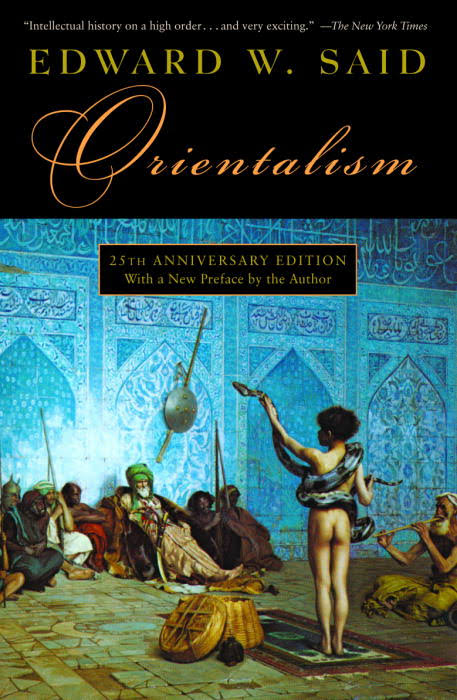
هذا النوع من العنصرية المختبئة في غلاف المساعدة تأتي أيضاً من الصورة النمطية عن العرب الموجودة من الأيام عندما كان الإستشراق منتشراً فيها حتى هذه الأيام حيث العرب يُظهرون في الأخبار عن الشرق الأوسط كأنهم “الأخر” العنيف (هذه الأيام تُستخدم الكلمة “الإرهابي“) والوحشي، وليس الفرد
عندما زرت نفس الصديق لما كان يسكن في المخيّم في مدينة زيست، كنت أجلس في الغرفة التي كان يشاركها مع بعض اللاجئين عندما دخل الرجل الحارس على المخيّم. سألني اذا اتكلم اللغة الهولندية فعندما جاوبته إيجابيا طلب مني أن أخرج من البناء. فعندما سألته لماذا قال لي إن ذلك من أجل أمني أنا، فهذا أعطى صديقي الشعور أنه بُعتبر خطير
نتيجة أخرى لهذه الصورة النمطية هي إن المتطوعين الهولنديين يتكلمون مع اللاجئين في إطار رسمي، ولكن بشكل عام عندما الرجل العربي يحاول أن يتكلم مع بنت هولندية خارج هذا الإطار فإنهن كثيرا ما يرفضن الحوار معه. هذا ما قاله لي كثير من اللاجئين عندما كنت أعمل مقابلات معهم والرجلان قالا نفس الشيء: إنّ تطوير علاقة مع الهولنديين خارج إطار المؤسسات أمر صعب
مع ذلك، فالإعتراف بالصورة النمطية الموجودة والخوف والرأي المسبّق ينتج عن ذلك من ذلك تبدؤ صعب، فعندما تقول إنه قد يكون بين اللاجئين أيضا ناس نواياهم سيئة أو أفكارهم محافظة ولا تلائم المجتمع الهولندي، ففوراً تُتهم بـالإلتحاق بالإيديولوجية السياسية اليمينية أو بأنك ضد كل اللاجئين. ولكن يوجد فرق كبير بين إعتراف الصورة النمطية واستخدام الصورة لأهداف سياسية.
واحد من الصديقين سألني: “وما هي أهمية الدوافع لتعليم اللأجئين؟” فجوابي كان إنها ليس مهمة إذا الطرفين يشعران براحة في تواصلهما وتعاملهما. ولكن لما أحد الطرفين يشعر بذلّ، فالموضوع مهم
وكان السؤال التالي: ما هو الحل لسوء الفهم بين اللاجئين والهولنديين؟ في رأيي على اللاجئ أن يفهم “تاريخ مساعدة” الهولنديين للآخريين، وايضاً الثقافة الهولدنية بشكل عام. لكن هذه المعرفة تأتي مع الوقت والتعامل معها بشكل برغماتي بالنسبة لي هي الطريقة الافضل. وبالطبع مثل دائما الدَعابة ايضا مهما. عندما شاركت في محاضرة ثقافية في امستردام اخيرت، دعاني شاعر سوري لأن اشرب شيء، فندا الرجل وراء الحانة ولما التف الينا وقع بصدفة الكأس في يديه. فنظر الشاعر إليّ وقال مازحا: شوفي بخوّفه لإنه شكلي إرهابي! ههههه
أما بالنسبة للهولنديين وصورتهم النمطية عن اللاجئين أو العرب “الآخر”، فأظن إن الحل موجود بالإعتراف بإن الصورة النمطية موجودة. كما كتبت في أحد مدوناتي فالتواصل مع الأخرين، وخصوصاً الأخرين الذين لا يُعتبرون “المجموع الداخلي” إجتماعياً، يبدأ بتحديد الشعور تجاهه. وفقط بالإعتراف بالشعور السلبي يمكن يتمّ تغيرها. المهم أن تترك بين الأفكار والصور السلبية عن الأخر مساحة كفاية لأفكار إيجابية قد تتطوّر
بالطبع ما كتبته فوق عن الهولنديين أيضاً على أساس صورة نمطية: إن المتطوعين والهولنديين ساذجون. ولكني أدافع عن نفسي بالقول إني أشير إلى نقطة مهمة في المجتمع الهولندي على أساس محادثات وملاحظات حقيقية. وهذه النقطة نادرا ما تُذكر أو تُتناوَل
وأيضاً اريد القول أني فعلا أظن إن يوجد متطوعون الذين يقومون بشغل رائع حقاً، وإن بالنسبة لي هذا يأتي من حب التدريس ومن التعامل مع اللاجئيين (أو أيّ أجنبي) بإعتباره من نفس المستوى
تابعوا ديسيري على تويتر @desicusters
هذه المقالة تمّ أيضاً الإشارة إليها في جريدة “الوفد” المصرية، يوم 4 سبتمبر 2018: رابط
Hidden orientalsim and volunteering
After helping my friend move I drank a cup of coffee with him and his friend. Both are Arab-men who came to the Netherlands as refugees. Or conversation turned into an analysis on how Dutch treated refugees when one of them mentioned the fact that in his Dutch classes, his teachers always tell him: “Good job! You will pass the text”, but in the end he failed! We laughed at this fact, but actually he was really disappointed when it happened, and did not understand why the Dutch weren’t just honest and told him
At this moment I thought of something I first really noticed when writing my thesis on refugees: sometimes refugees are treated as if they are missing basic knowledge on life. The Dutch volunteer at times treat them with an unconscious and unintentional entitlement that reminds me of the European (Christian) missionary work to Africa and the Middle East in which they aimed to educate and develop the “primitive people” of the third world. Maybe this European legacy influences us more than we realize. The fact that volunteers are mostly women is possibly explained by this feeling. It is women who often have the feeling of needing to “take care” of the suffering other
When I shared my opinion with the two men they came to see their treatment by the Dutch in a new daylight. One of them said he sometimes indeed felt that he was being talked to from a position of haughtiness, as if only they come from a country that has a cultural history and knows civilized people. When one of the men had told a Dutch volunteer he went to the university in Iran, the volunteer looked at him in full amazement: “there are universities in Iran?!”
This form of discrimination concealed in helping is based on the stereotype of the exotic,unknown stranger which has existed from the days of orientalism and is still seen in reporting on the Middle East. This reporting, in a new- orientalistic form, portrays Arabs as the “other”, violent (nowadays terrorist) barbaric creatures always moving in groups, not as individuals
For example, when I visited the same friend when he lived in a refugee centre in Zeist, I was sitting in the booth that he shared with some other refugees when the security came inside, asked me if I speak Dutch, and requested me to leave the building. When I asked him why he said it was for my own “safety”, giving my friend the feeling he is considered to be an animal
Another effect of this stereotype is that the Dutch volunteers will speak to you in the context of their volunteering work, but in general if you as an Arab man try to talk to a girl outside that context, they will often refuse conversation. This is something that many refugees told me when I did my interviews and both men agreed that it is very difficult to develop relationships with Dutch outside the context of the institutions
However, acknowledging the existence stereotype or the possible fears and prejudices that steam from it, seems not-done. Especially when you say mention the possible that among the refugees might be people with bad intentions and people with conservative ideas that do not fit in Dutch society, you will often be made out for a being on the right or being anti-refugee. However, there is an important difference between acknowledging stereotypes and using stereotypes for political means
One of the asked me: “What does it matter what the motives are for teaching the refugee?” I answered that it does not matter if both parties feel comfortable in their communication. However, when one of them feels demeaned, it matters
So the next question was: what is the solution to this misunderstanding between refugees and the Dutch? In my opinion, in the case of the refugee it would be good to understand the Dutch “history” of helping “the other” and the Dutch culture in general. In time, I believe many will learn this fact by their own observations and dealing with it pragmatically will I think prove to be the best way. Humour is also, as always, important. When I was at a cultural event in Amsterdam recently, a Syrien poet asked me for a drink. He called the bartender who, as he turned towards us, accidentaly dropped the glas in his hand. The poet turned towards me and said laughingly: “see, I scared him because I look like a terrorist
As for the Dutch and their stereotyping of refugees, I believe the solution lies firstly in acknowledging the stereotyping. As I wrote in a previous blog, communicating with others, especially others you do not consider to be in your social “in-group”, starts by acknowledging what you think of the other. Only when you acknowledge them you can change them. The key is not to let negative ideas about the other nihilate space for potential positive ideas that may develop
Of course in what I wrote above depends on a stereotype: that of Dutch volunteers being naïve. I will defend myself by saying that the point I make that is based on conversations and observations, is an important one that is rarely explicitly mentioned or analysed
And to be clear, I do honestly believe that there are volunteers who genuinely do a great job in helping refugees, which in my opinion van be achieved when this help stems from a love for teaching and the treating of the refugees (or foreign migrant) on the same level
Desiree tweets via @desicusters
 issabramil.com
أضف تعليق