
For English scroll down
كيف تؤثر الغربة القسرية على العلاقة بين الوالدين السوريين وأطفالهما؟ كيف يتم التوازن بين ذكريات الوطن والبيئة الجديدة؟ ما هي المشاكل التي تواجهها عائلات سورية في الإندماج؟
هذه أمثلة للأسئلة التي ترجمتها من اللغة الإنكليزية والهولندية إلى اللغة العربية لطالبة ماجستير في العلوم الإجتماعية، إيليميكي دين. في رسالتها الماجستير “تجارب الأمهات السوريات في تربية أطفالهن في بلجكيا”، قامت بمقابلة مع أهال سوريين، أكثرهم أمهات، الذين لجأوا إلى بلجيكا. كما كتبَت في رسالتها
قد يمرّ الأهل السوريون بصعوبات عندما يستقرون في بلد جديد. (…) فمن المهم للذين يشتغلون مع السوريين أن يفهموا تجارب الأهل اللاجئين لكي يفهموا بشكل أفضل كيف يمكنهم مساعدتهم ليساعدوا الأطفال
قامت في بحثها بتحليل مقابلات مع 7 مشاركين من عائلات مختلفة، تقريباً كلهم يسكنون في بلجيكا لمدة سنتين وأربع سنوات. عمر أطفال العائلات تراوح بين عشرة أشهر وخمسة وعشرون سنة كانوا كلهم متزوجين. كانت العائلات مسيحية ومسلمة
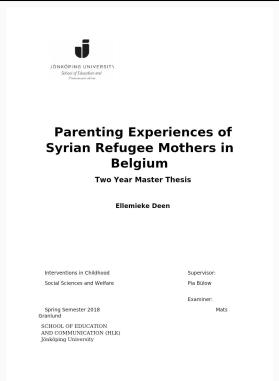
في خُلاصتها حددت إيليميكي التالي بالنسبة لتجارب الأهل السوريين: تحديات الإندماج في بيئة ثقافية وإجتماعية جديدة، وتطبيق إستراتيجيات للتعامل مع هذه التحديات
كثيرة من التحديات كانت مرتبطة بكون العائلات قد هربت من العنف والصراع في سورية. فجعلت ذلك الإندماج صعباً لأن العائلات تعاني من الشعور بخسارة الإستقرار وبالقلق الدائم على أقربائهم والشوق إليهم. كانوا يفكرون كثيراً بأقربائهم في سورية، مثلما قالت إحدى المشاركات: “عم بدرس بس مخيّ مليان (…) بفكر بأخي: بفكر بأطفاله. ما عندهن غاز أم بترول في الشتّة وفي برد هناك، ما في أكل منيح إلهن… صعب
إرتبطت تحديات أخرى بالبيئة البلجيكية الجديدة. فشعر بعض من الأهل يأنه غير مرحب بهم أو بأن أطفالهم شعروا غير مرحب بهم. واجه بعض الأطفال صعوبات بالحصول على أصدقاء جدد لأنهم من بلد آخر أو لأنهم من دين معين
ذكرت إحدى الأمهات التالي: “ما في إحترام بأن يكون الواحد لآجئ. إذا بتقول لآجئ، بتشعر فورا إنه الناس بفكروا: كون حذر، حافظ على مسافة. وهاي مؤلم بالنسبة إلنا.” وذكرت الأمهات إنهن يحاولن أن يعلمن أطفالهن أن يكونوا صبورين مع الناس الذين ردهم سلبي
هذا الشعور بعدم الترحيب جعل بعض من الأهل يشكّون أو يندمون بالنسبة لقرارهم بالهروب من سورية. كما قالت أحداهن: “بكى إبني تقريبا سنة. كثيرا ما فكرت: يا الله، ماذا فعلت بأطفالي؟ إعملت خطأ
شكل تدريس القواعد والقوانين في بلجيكا أيضأ تحد، سواء كانت رسمية أم إجتماعية. فضمّن هذا التحدي هناك صعوبات باللغة الهولندية، بالثقافة البلجيكية وبالنظام التعليمي البلجيكي. شكل نقص معرفة اللغة جداراً بين الأهل والمجتمع البلجيكي علاوة على عدم قدرة الأهل على الإجابة على الرسائل الرسمية
وجد معظم الأهل إن تبنى الأفكار الإجتماعية البلجيكية ضرورية لكي يندمجوا أو لكي يستطيعوا أن يفهموا أطفالهم عندما يندمجون كليأ. على سبيل المثال النظام التعليمي وكون الصفوف مختلطة. ولكن التبنى لا يعني التغيير الكامل، كما قالت أحدى الأمهات: “ما علينا لنقلّد كل شيء
لم يشعر الأهل بأنهم دائماً قادرون على التعامل مع الصعوبات بشكل ملائم خلال تربية الأطفال. لهذا السبب حاولوا أن يساعدوا الأطفال بأن يدبروا أنفسهم يؤكدوا للأطفال إنهم في بيت مستقر وآمن مما يسمح لهم أن يبنوا حياتهم من جديد ولكي يتأقلموا في بيئتهم الجديدة بدون أن ينسوا سورية. يدرّسوهم اللغة العربية مثلا ويحتفلون بالاعياد والمناسبات السورية التقليدية، ومنع بعض من الأهل أطفالهم بأن يشاهدوا صوراً عن الحرب السورية
حصلت كثير من العائلات أيضاً على مساعدة من الحكومة البلجيكية ومن منظمات إجتماعية. وحصل بعض الأهل على عمل تطوعي وحاولوا معادلة شهاداتهم الجامعية السورية على أمل أن تفيدهم في الحصول على عمل
يُظهر هذا البحث القيّم التحديات التي تواجهها العائلات السورية في بيئتها البلجيكية الجديدة وكيف يتذكرون في نفس الوقت وطنهم سورية. وهكذا، عندما إيليميكي وأنا إنتهينا من المقابلات، إستضافتنا العائلات مع قهوة وحلويات سورية وتكلمنا عن الأدب السوريّ و الثقافة السورية
مع إن العائلات بعيدة عن سورية جغرافيا، فهي ليست بعيدة عنها روحياً. لاحظتُ الفرق بين الأطفال والأهل بالنسة للإندماج. فإندماج الأطفال كان يبدو أكثر كاملاً. عندما تكلمت مع الأطفال فكرت بنفسي: هذا مراهق بلجيكي. هذا الفرق قد يؤدي إلى أسئلة عن هويتهم أو صراعات بين الجيلين، ولكني أظن إنه عندما يكبر الأطفال في عائلة يجدون فيها الحرية ليكتشفوا ويطوروا هويتهم المتعددة بدون أن يخسروا دعم العائلة، فسوف تكون هذه الصراعات قليلة
أنا كمترجمة استمتعت بالكلام مع العائلات لأني تعلمت عن تجاربها المختلفة، وأنا سعيدة إن أفراد العائلات فرحوا بالفرصة ليشركونا بقصتهم وأتمنى لهم أن يجدوا طريقة للجمع بين هوياتهم وحيواتهم المتعددة بشكل سليم، خصوصاً الأطفال
هذا البحث سوف يصدر في مجلة علمية في المستقبل القريب
تابعوا ديسيري على تويتر @desicusters
Syrian parenting in Exile: a Belgium case study
How does being exiled by war effect the relationship of the Syrian parent towards their children? How do Syrian parents and children balance between their memory of home and with being far removed from their family and culture with their focus on their new environment? What are the issues they face
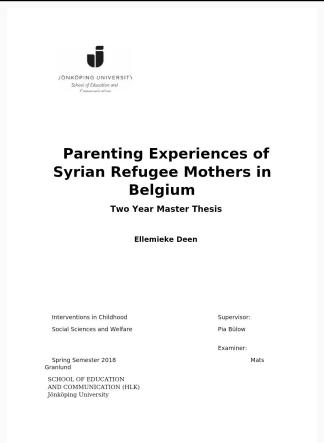
These are examples of the questions that I translated from English/Dutch to Arabic for a masters student of social sciences, Ellemieke Deen. In her masters’ research titled “Parenting Experiences of Syrian Refugee Mothers in Belgium” she interviewed Syrian parents, specifically mothers, who came to Belgium as a refugee As she wrote in her thesis
“Refugee parents could experience several difficulties while settling down in a new country (…) it is important for professionals to understand the experiences of refugee parents in order to understand how to help them in helping the children.”
Her research analyzed interviews with 7 participants from different families, almost all living in Belgium for a minimum of two and a maximum of four years. Their children fell within the age category of 10 months up to 25 years and all of the parents were married. The families were both Christian and Muslim
In concluding, Ellemieke identified the following in relation to the parenting experiences’ of Syrian mothers: the challenges of integrating in a new social and cultural environment and the strategies implemented to deal with these challenges
Many of the integration challenges had to do with the fact that the families came from war-torn Syria. This made integrating difficult because families suffer from a feeling of loss of stability and of worrying about and missing loved ones. They often thought about their family in Syria, as one participant articulated it: “I study but my mind is already filled. (…) I think of my brother; I think of the children of my brother. In the winter they do not have gas, no petrol, it’s very cold, no proper food… it is difficult.”
Other challenges relate to the new Belgian social environment. Some mothers felt unwanted or felt that their children struggled with feeling unwanted. Some children faced problems in making new friends because they came from another country or obtain to a certain religion. One mother mentioned the following: “Refugee is not a good reputation. If you say ‘refugee’, you immediately feel people thinking: be careful, hold your distance.” That is really painful for us.” Mothers mentioned they try to learn their children to be patient with people who react negatively
This feeling of being unwanted led some of the mothers to doubt or regret their decision to leave Syria. As one parent formulated it: “My son cried for almost a year. A lot of times, I thought; “My God, what have I done to my children? I really made a mistake.”
Another challenge related to Belgium was that of learning its rules and regulations, be they socially or legally. They include struggles with the Belgian language, culture and educational system. Lack of knowledge of the Dutch language formed a serious wall between the mothers and Belgian society and parents lacked the ability to reply to formal letters
Some parents found that they needed to adapted their social norms either to help their children to integrate or to understand their children when they integrate fully. An example is the education system and the fact that classes are mixed-gender. But to adapt does not mean to change completely, as one mother put it: We do not need to imitate everything
Parents did not always feel they could appropriately navigate through all these differences when parenting their children. For this reason many parents focused on helping to develop the self-sufficiency of the children by for example trying to provide a stable, protecting home which helped them rebuild their life and adjust to their new environment while not completely forgetting Syria. Parents for example continued to teach their children Arabic and to celebrate traditional Syrian festivals, but some also prevented their children from seeing images on the Syrian conflict
Many Syrian families also received social support from the Belgian government or from Belgian social organizations. Some parents found volunteering jobs at for example a local thrift store. Aiming at a good future job, some parents tried to validate their Syrian university degree
This valuable research shows the challenges Syrian families face in their new, Belgian environment while at the same time remembering their homeland Syria. As such whenever me and Ellemieke would be done with an interview, the Syrian hosts would offer us Syrian coffee and sweets and with sometimes we would talk about Syrian literature or other cultural references
Although the Syrian families thus might be removed from Syria geographically they are not spiritually. When it came to the generation of the children I noticed that they differed from their parents in their integration which seemed to be more complete. When I talked to them during I thought to myself: this is a Belgian teenager. This difference may lead to questions on identity or to generational conflicts. However, I think that as long as the children are raised in a family in which they are free to explore and develop their multiple identities without loosing the family’s support I believe this conflict will be minimized
As a translator I enjoyed learning from the different experiences and I am happy that the families were so content to be able to share their stories and I do hope that the Syrian families, especially the children, find a way to combine their multiple identities and life stories in a peaceful manner
Ellemieke’s research will be published in a peer-reviewed journal in the near future
Desiree tweets via @desicusters
 issabramil.com
أضف تعليق