
For English scroll down
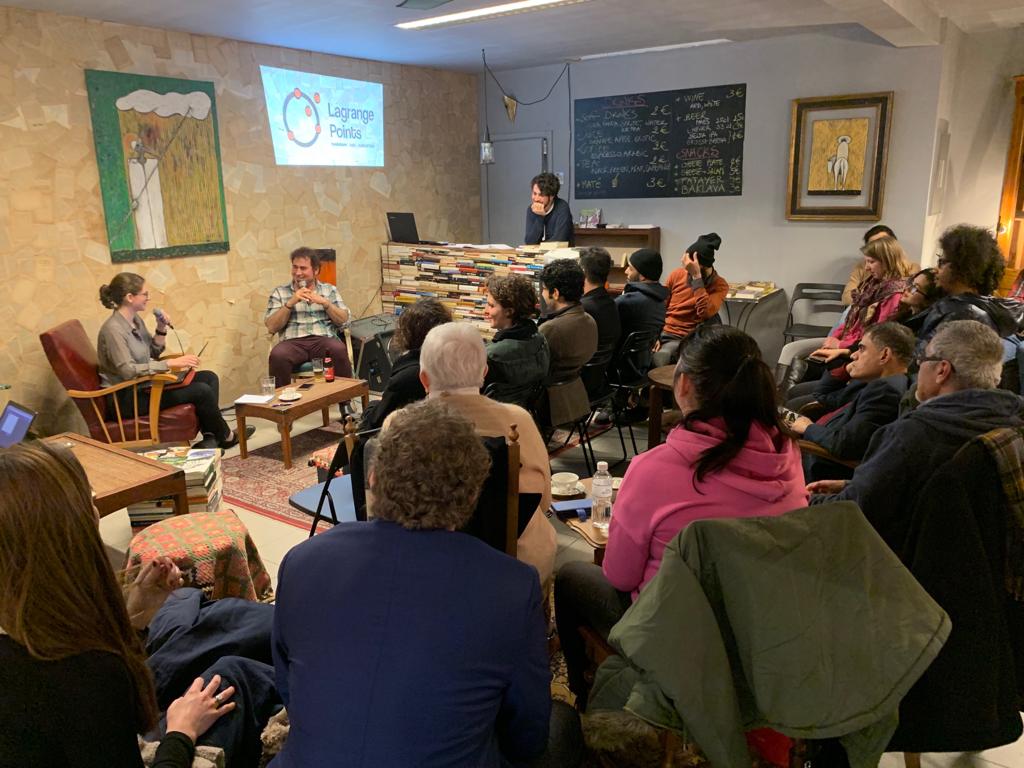
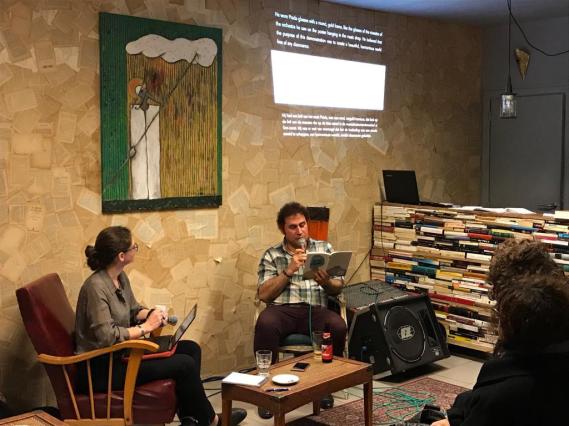
الكاتب العراقي علي بدر، الذي أصدر حتى الآن 15 عملاً أدبياً وحصل على جوائز أدبية عديدة، وترجمت أعماله إلى أكثر من 18 لغة أجنبية، كان ضيفاً على لاغرانج بويْنتس بروكسل ، يوم 3 مارس/آذار الجاري وقد قُمت بتقديمه وإجراء اللقاء معه
علي بدر معروف برواياته التي نالت شهرة واسعة النطاق بعد ترجماتها إلى اللغات الأجنبية، لكنه كتب أيضاً كتباً فكرية وكتب في الصحافة العربية والعالمية، مثل الحياة، النهار، الأخبار، الليبراسيون، اللموند، الواشنطن بوست والإندبندنت. ومن بين رواياته الأكثر شُهرة بابا سارتر (2001)، مَصابيح أورشليم (2006)، حارس التبغ (2008)، الكافرة (2015)، وحفلة القتلة (2018)
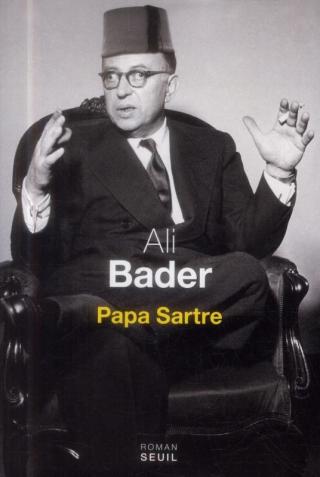
بالرغم من أن أعمال علي بدر الأدبية متعددة الموضوعات ومتنوعة الأساليب السردية، لكن النقد الاجتماعي عبر السخرية إلى جانب المؤثرات الفلسفية هو العنصر الجذري الدائم في كتاباته. ففي روايته الأولى بابا سارتر اتخذ من السخرية والتهكُّم وسيلة لانتقاد الحركة الوجودية العراقية في ستينات القرن الماضي. قال علي بدر ( أنا أعد السخرية أداة سياسية لتهديم تجهم السلطة) وبالرغم من أن المجال الحيوي لرواياته هو العراق لكنه لا يحصر استخدام النقد على المجتمع العراقي فقط، إنما يوسعه لنطاق أكبر
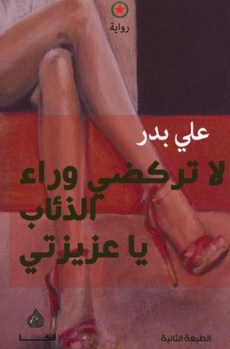
يستخدم علي بدر في كتاباته عناصر كثيرة، ويرتكز إلى تراث ثقافات أخرى، فإلى جانب الفكر الوجودي السارتري، نراه يقدم لنا في روايته أساتذة الوهم (2011) ثلاثة شعراء عراقيين مجندين في الحرب العراقية – الإيرانية مشغولين بقراء وترجمة الأدب الروسي هرباً من ويلات الحرب. ويعد علي بدر أن هذا النوع من الانفتاح ومعرفة الثقافات الأخرى من الأمور الهامة جداً في سياق الكتابة السردية ذلك أنها تؤكد بأن الأدب العربي لم ينفصل عن الثقافات الأخرى، وأنه يتطور عبر تفاعله مع هذه الثقافات. كما أن مهمة كتاباته الأدبية تكمن في الكشف عن المعاناة والمشاكل الاجتماعية المشتركة بين البلدان العربية وبلدان أخرى، في العالم، ليس في أوربا حسب، إنما في إفريقيا أيضاً، ويظهر ذلك في روايته لا تركضي وراء الذئاب يا عزيزتي (2007) التي تصف حياة مجموعة من المثقفين العراقيين الذين هربوا من المجزرة التي ارتكبها صدام حسين ضد الشيوعيين، والتحقوا في الجيش الذي أسسه هيلا مريام منغستو في أثيوبيا، فتدور أحداث الرواية في أديس أبابا وفي القرن الأفريقي
رغم آثار الثقافات الأخرى في كتاباته، إلا أن علي بدر يؤكد على دوره كمثقف منخرط في القضايا الحيوية للمجتمعات العربية، فللكتابة وظيفة أساسية في النقاش الدائر حول الشأن العام، وهي مهمة بالنسبة له، ذلك أن السرد بالنسبة له يرتبط ارتباطا وثيقا بمفهوم الأمة، المفهوم الذي طرحه هومي بابا في كتابه الشهير: الوطن والسرد. ويورد علي بدر تصوراته عن دور السرد في الإسهام الحيوي في صناعة الثقافة الوطنية، فعندما كان يافعاً أثناء حرب الخليج الأولى شعر بأن بلاده مهددة بالمحو من الخريطة، من هنا انتبه إلى دور السرد في عملية بناء الأمة وقدرته على الحفاظ عليها من التفكك، وهي الفكرة التي طرحها بندكت أندرسن في كتابه الجماعات التخيلية يؤمن علي بدر بأن الأدب وسيلة مهمة في ِإحداث التغييرات الاجتماعية والثقافية التي تؤدي إلى التغييرات السياسية، فالأدب هو عمل فردي يقوم على تغيير قناعات جماعية. ولا يؤمن بالتغييرات السياسية في العالم العربي من دون إحداث تغييرات اجتماعية وثقافية
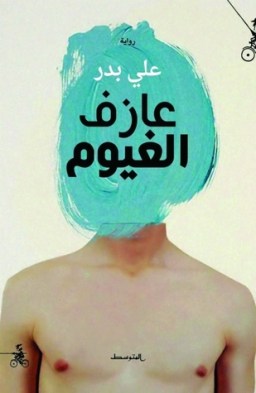
تدور أحداث روايات علي بدر الحديثة في مدينة بروكسل (بلجيكا) حيث يعيش منذ خمس سنوات. يستمر في كتابته الساخرة في عازف الغُيوم (2016) التي تروي قصة نبيل، عازف التشيلّو الذي يهرب من السلفيين في العراق الذين يُحرّمون الموسيقى، إلى بلجيكا. لِيُفاجأ بزوال فكرته المثالية عن أوروبا والآن عن بروكسل تحديداً، فالسلفيون موجودون في كل مكان، علاوة على أن هناك مناطق في بروكسل تبدو أكثر فقراً من منطقة سكنه في بغداد. وقد أوضح علي بدر بأنه في روايته هذه ينتقد أدب اللجوء الذي يركّز على الضحية وعلى الحنين إلى البلد الأصلي ولكنه يطرح عنصرية اللآجئين تجاه لاجئين آخرين وهذا موضوع لم يُتناول من قبل
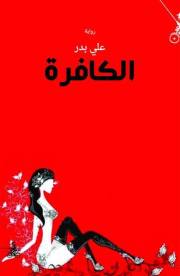
وجد علي بدر صوتاً جديداً في روايته الكافرة (2015) والتي تروي قصّة فاطمة التي تعيش في بلد يرزح تحت حكم إسلامي متطرف، فتهرب إلى بلجيكا بعد أن يقوم زوجها بعملية انتحارية. تعمد فاطمة على تغيير اسمها وهويتها لتصبح صوفي البلجيكية، وتعيش هذه الثنائية التي تسمح لها في الكشف عن المحيط الاجتماعي الذي تعيش فيه امرأة. أما كيف كتب علي بدر روايته هذه من وُجهة نظر امرأة، فيقول، إنه أغفل في سياق رواياته السابق صوت المرأة، فأراد التركيز على الجانب الأنثوي في النظر للحياة والمجتمع، وقد ساعدته حياته الجديدة في الغرب على اكتشاف صوت المرأة ومشاعر المرأة الذي كان خفياً وخافتاً في ثقافته السابقة
عمل علي بدر القادم، هي إيروتيكا بلجيكا، وهي رواية ساخرة تكشف عن الحياة الجنسية في الغرب، وتجارب المهاجرين ورؤيتهم للمرأة والحياة الغربية، و نحن في إنتظارها
تابعوا ديسيري على تويتر @desicusters
‘A talk with ʿAlī Bader’ – March 3, 2019
Ali Bader the Iraqi novelist, poet and essayist with over fifteen works of fiction and who has been awarded several literary prizes, was a guest at Lagrange Points Brussel on the 3rd of March where I interviewed him.
Bader is known for his works of non-fiction but has also written non-fiction and has worked as a war correspondent. Among his best-known works are Bābā Sartr (2001, English trans. Papa Sartre, 2009), Maṣābīḥ Urshalīm (‘Jerusalem lantern’, 2006) and Ḥāris al-tabagh (2008, English trans. The Tabaco Keeper, 2011)

Bader is a writer with a broad oeuvre: both in topics and genres. Yet he consistently uses irony and philosophical reflection as tools of social criticism. His first novel Papa Sartre for example, retrospectively critiques, through systematic and shrewd satire, Iraqi existentialists of the 1960’s. Bader said that he finds irony an important tool when writing and he does not only use it to criticize his own, Iraqi society
Bader also often uses elements of foreign cultures. Next to the example of Jean- Paul Sartre’ existentialism in Papa Sartre, Asātidhat al-wahm (‘The professors of illusion’, 2011) centres on three Iraqi poet/ soldiers at the front during the Iran- Iraq war who read and translated Russian poetry as a form of escapism. Bader considers linking Arabic literature with foreign elements important because: “Arabic literature does not exist in a vacuum”. Furthermore, he sees it as important that Arabic literature can make links between social issues existent in the Arabic world and other countries such as African countries. al-Rakḍwarāʾ al- thiʾāb (‘Running after the wolves’, 2007) depicts a group of Iraqi intellectuals who fled Saddam Hussein’s prosecution and settled in Ethiopia where they joined Mengistu’s army
Despite the foreign elements, Bader sees his role as Iraqi writer and intellectual as contributing to the nation building of his country Iraq. When he was young in Iraq, as he explains, he always thought he was mortal, but his country was not. With the start of the first Gulf War however, he first realized that his country was not immortal. Based on Benedict Anderson’s concept of ‘imagined community’, he sees literature as a form of making Iraq immortal. Bader also believes that literature is the most important tool in leading to social change. As such his main audience remains Iraqi and in a broader sense Arabic, although Bader finds it important that through translation his literature is available to a large group of people. And indeed, his novels have been translated to 18 languages
Bader’s more recent novels take place in Brussels, Belgium, where he has been living for the last five years. He has continued his ironic writing style in his 2016 novel ʿĀzif al-ghuyūm (‘The musician of the clouds’) which tells the story of the cellist Nabīl who flees Iraq from Islamic fundamentalists and settles in Brussels where he is disillusioned to find that the Europe he has idealised for its music, also houses fundamentalists and seems poorer than his former neighborhood in Baghdad. Bader wrote the novel as a criticism of migration or refugee literature which he says his largely focused on victimization and nostalgia of the narrator. With ‘Musician of the clouds’ Bader says to have broken a taboo by talking about immigrant’s racism against immigrants
Yet Bader also found a new voice in one of his latest novels, al- Kāfirah(‘The godless women’, 2015) which tells the story of Fatima who is raised in a country under radical Islamic rule and gets married. After her husband commits a suicide attack she flees to Brussels where she changes her identity completely and becomes the ‘Belgian’ Sophie. It is the first novel in which he writes from a women’s perspective, something he says he was motivated to do for two reasons. First, he mentioned being criticized for his male protagonists being to macho, which made him want to shift his focus. Second, coming to Brussels led Bader to discover that relationships between men and women do not take place in darkness as in the orient. This led to him seeing relationships in a different way and wanting to write about them differently
My last question for Bader was what his next literary project will be: Erotica Belgica, a collection of stories on sexual encounters which we will be looking very much forward to
Desiree tweets via @desicusters
 issabramil.com
شوقتيني أقرأ لعلي بدر هذا
إعجابLiked by 1 person