
For English scroll down
دور شركات الأمن الخاصة والهولنديين في العراق
مهتمة بدور الجيش الهولندي في الشرق الأوسط كنت حاضرة حديثاً في محاضرة عن الموضوع. لقد عرفت لما كنت في الأردن قبل عدة أشهر إن القوات العسكرية الهولنديه كانت لديها قيادة مشتركة مع بلجيكا في شمال الأردن ومنها أقلعت طائراتها الإف-16، إلى سوريا والعراق
لقد أسقطت هذه الطائرات حوالي 350 قنبلة في الفترة ما بين 2016 و2017 على الأرجح قتل مدنيون كثيرون. ولكن مع إختفاء دولة داعش دخل الجيش الهولندي مرحلة جديدة وهي مرحلة الهزيمة. في هذه المرحلة تقوم هولندا ببناء القدرات عند القوات العراقية والبيشمركة الكردية في سياق المهمة الجديدة للناتو. يتضمن بناء القدرات هذا إكتشاف وإبطال مفعول قنابل على جانب الطرق ومهنية إستخدام الأسلحة اليدوية
لفتت المحاضرة إنتباهي أيضاً إلى موضوع مختلف وهو: دور شركات الأمن الخاصة في العراق التي تتعاون في مهمات محلية ودولية، بشكل خاص الشركة جي فور إس ريسك مناجمينت. لقد عملت جي فور إس على الأقل منذ 2010 في إزالة الألغام بعد عقدها مع الشركة الروسية للنفط لوك أويل ومن 2016 تقدم أيضاً خدماتها الأمنية في مرحلة إستخراج النفط مثلا شركة غاز البصرة وهي شركة عراقية، تمتلك شركة نفط شل أيضاً حصة كبيرة
ولكن زبائن جي فور إس لا تقتصر على شركات نفط. لقد حصلت الشركة، مع الشركة ثي هيلو ترَست، على عقد في 2018 لتقديم إدارة مخاطر المتفجرات وتدريس المخاطرات لمكتب الأمم المتحدة للخدمات والمشاريع في الأرضي المحررة من داعش. هذف المكتب هذا هو مساعدة: الحكومة العراقية بمشاريعها الإنسانية والتقدمية في البنية التحتية والتدربير وإدارة المشاريع
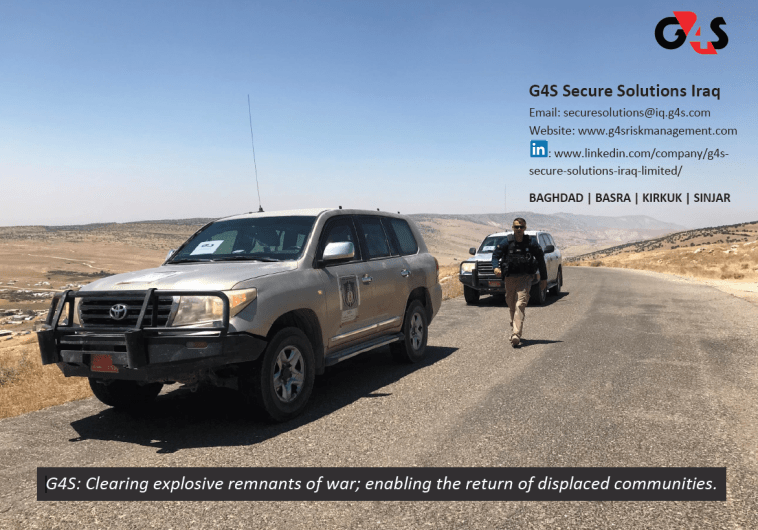
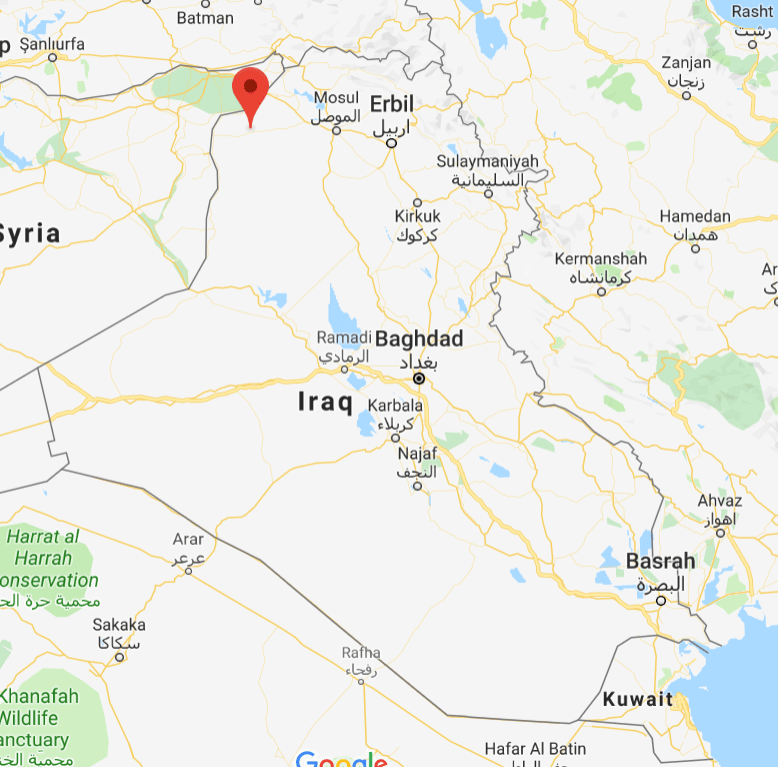
جي فور إس تصف شغلها في العراق ليس فقط شغل أمني، بل أيضاً مساعدة إنسانية تستثمر في تقدم المجتمع. على سبيل المثال معنل مع الأمم المتحدة وما وصفته في تقديرها السنوي: أمثلة حيث جي فور إس تساعد في تقديم أهداف التنمية المستدامة عبر مشاريعها ومهماتها (ص. 37). مثال آخر للعمل مع الأمم المتحدة هو مشروعها بتفويض الأمم المتحدة للإجراءات المتعلقة بالألغام في سنجار في شمال العراق، حيث تقوم بإبطال مفعول قنابل. ولهذا المشروع، كما وصفته في نشرتها الإعلامية: توظيف وتعليم رجال ونساء يزيديين
فهل من الممكن أن جي فور إس، كما أعلنت على موقعها لديها عقود مع وزارة الدفاع الهولندي وتساعد أيضاً القوات الهولندية في مهماتها في بناء القدرات في شمال العراق؟ وبناء على هذا السؤال: بشكل عام ما هي نتيجة الإستعانة بشركات خاصة للأمن ليس فقط لخدمات الأمنية والعسكرية، بل أيضاً في بناء مجتمع من جديد بعد الحروب والصراعات
تمّ بحث عن دور شركات الأمن الخاصة في بعثات وعمليات للإتحاد الأوربي في تقرير طلبه برلمان الاتحاد الأوروبي في 2011. يذكر البحث إن هولندا أحد الدول التي وظّفت مقاوليين أمنيين مسلحين وغير مسلحين لعملياتها الخارجية (ص. 5). وصف التقرير إيجابيات توظيف شركات الأمن الخاصة بأنها: تعوض نقص الموظفيين/الجنود في الجيوش الأوروبية وإن خدماتها أرخص من الجيش الحكومي وموظفيها وبأن الحكومة عبر إستخدام شركات الأمن الخاصة تقدر أن تتجنب القيود التي وضعتها البرلمانات الوطنية حول عدد الجنود أو خفض تأثر القوات التي تتدخل في البلدان المضيفة
ولكن الإعتماد على شركات الأمن الخاصة، كما وصف التقرير، يبقى أمراً مثيراً للجدل، إذ ترطبت شركات الأمن الخاصة بفضائح كثيرة، مما أدى في 2009 إلى إبطال الحكومة العراقية الحصانة الخاصة بالمقاولين الذين يشتغلون مع القوات الدولية. سلبيات أخرى لتوظيف شركات الأمن الخاصة هي في إنخفاض المسؤلية الديمقراطية وإنخفاض السيطرة الحكومية وخوف مواطنيي البلد المضيف حيث يتمتع المقاولون بالحصانة
في العراق يبدو إن جي فور إس على وعي بالسلبيات هذه وتحاول تقليلها بأن تقدّم نفسها على إنها شركة تأخذ مسؤليتها الإجتماعية وتوضح نشتاطها، طبعاً يبقى صدق هذه الإعلانات موضوعاً لبحث مستقبلي. زبائن شركات اللأمن الخاصة هي الحكومات، ومن بينها الحكومة الهولندية، عقودها مع الشركات لست واضحة. نتيجة لذلك، يوجد عدم وضوح للمواطن الهولندي وللمواطنين في البلدان المضيفة حيث العمليات والبعثات العسكرية والإنسانية، أين تتقف مسؤلية القوات الدولية وأين يبدأ عمل شركات الأمن الخاصة. وأظن إن الوضوح في هذه الموضوعات هو أحد عناصر أيّ بلد ديموراطي، خصوصاً إذا جعلنا هذه العمليات والبعثات قنونية بإستخدام خطاب الديموقراطية
تابعوا ديسيري على تويتر @desicusters
Rebuilding a nation: the anti-ISIS coalition and Private Security Companies in Iraq
Interested in understanding what the Netherlands is doing in the Middle East, I recently attended a presentation on the Dutch participation in the anti-ISIS coalition. When I was in Jordan a few months ago, I understood that the Dutch defense forces had a shared military base with Belgium in the north of the country from where they flew their F16’s into Iraq and Syria
These military planes dropped around 350 bombs in the period of 2016-2017 likely causing civil casualties. With the geographical demise of ISIS, the Dutch military has entered a new phase, that of phase 4 ‘defeat’ in which it provides ‘capacity building’ to Iraqi forces and the Kurdish Peshmerga in Northern Iraq in the context of the new NATO mission. This capacity building includes detecting and defusing roadside bombs and proficiency in the use of firearms
The presentation however, also brought my attention to a different topic: the role private security companies have taken on in Iraq working alongside national and international missions, specifically that of the PSC G4S Risk Management, a division of the London-based G4S Ordnance Management. G4S has had a role in demining Iraq at least since its 2010 contract with the Russian Lukoil oil company as it has also provided security services in the phase of wining oil and gas such as to the Iraqi Basra Gas Company (BGC) in a contract dating from 2016. Among others Shell holds a major stake in the project
But G4S’ clients are not only oil companies. Together with the company The HALO Trust, it won a contract in 2018 to provide Explosive Hazard Management (EHM) and Risk Education (RE) to the United Nations Office for Project Services (UNOPS) in areas liberated from the ISIS. Goal of the UNOPS is to support the ‘government of Iraq through humanitarian and development projects in infrastructure, procurement and project management’
With their work with the United Nations and what they in their 2018 annual report describe to be “examples where G4S is helping to advance the Sustainable Development Goals through their programmes and operations” (p. 37), G4S does not only profile itself as a security company, but also as a humanitarian company investing in social development. Another example is G4S’ work under the mandate of the United Nations Mine Action Service (UNMAS) in Sinjar, Northern Iraq, where they are clearing the area from explosive defines, a project for which, as they state in their flyer, they “recruited, hired and trained men and women from the Yazidi community”
Could it be that G4S, as it advertised on its website to having contracts with the Dutch Ministry of Defense, is also helping the Dutch military in its efforts of capacity building in Northern Iraq? And following this question, what are in a general sense the repercussions not only outsourcing military and security activities to PSC but also rebuilding societies after war
A study from 2011 on the role of PSCs in EU missions and operations that was requested by the EU parliament, mentions among others the Netherlands hiring “armed and unarmed security contractors for their missions abroad” (p. 5). It described the advantages of PSC among others as: filling the personnel gap of the national armies; providing services more cost-efficient that soldiers or civilian government employees; and being able to circumvent troop limitations imposed by national parliaments or reduce the footprint of intervening military forces in host countries
Reliance on PSC (as the report described it) remains controversial, not in the least because of the many scandals they are associated with, something that led to the Iraqi government in 2009 revoking the immunity granted to private security employees working for the multinational forces. Other disadvantages include decreased democratic accountability and government control and the perceptions of contractor impunity and insecurity among the civilian population of host states
G4S, in the case of Iraq, seems aware these disadvantages and tries to minimize these by profiling itself as socially responsible and providing clarity, however true this may be asks further inquiry. Its state clients however, one of them being the Netherlands, are not clear about their contracts with PSC. As a result, it is unclear to Dutch citizens as well as the civil society of the host country, how much of the Dutch, or any other international military contributions for that matter, is outsourced. To me clarity on this issue seems an essential part of democracy, especially if these missions are legitimized with the use of democratic language
Desiree tweets via @desicusters
 issabramil.com
أضف تعليق