For English scroll down
في مقالة كتبتها سابقا، أشرت إلى كيفية استخدام الخيال العلمي العربي أداة لتحليل الظروف الاجتماعية والسياسية والاقتصادية في الدول العربية وانتقادها وكان هذا موضوع رسالتي للماجستير التي وصلت إلى القائمة القصيرة لجائزة الماجستير في القسم الفلمنكي في بلجيكا في عام 2019.
في هذه المقالة، التي نُشرت باللغة الهولندية على موقع “دي فوكوس”، ألقيتُ النظر بشكل أدق إلى كيفية استخدام الخيال العلمي العربي، مثل الأدب بشكل عام، لتحليل التغيرات والصراعات في العالم العربي، بما في ذلك الأنظمة الديكتاتورية، و الاحتجاجات الحاشدة، والحروب، والتدخلات العسكرية الأجنبية، ومؤخرا ايضاً أزمة وباء كورونا. كما وصفته حنة أرندت، فالخيال العلمي هو وسيلة للجمهور للتعبير عن مشاعره ورغباته.
الخيال العلمي العربي
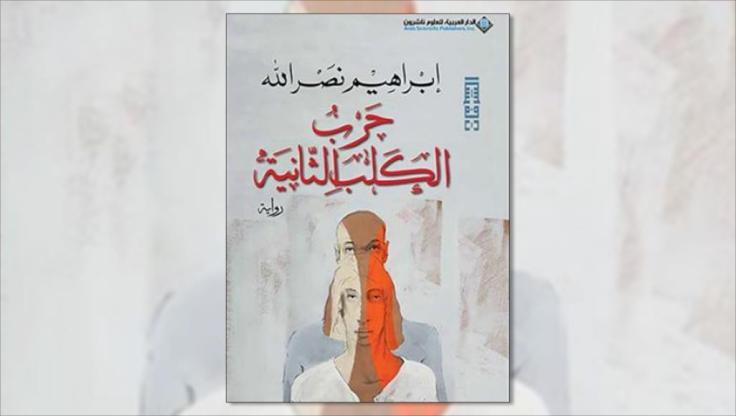
المثال الذي ركزت عليه في رسالتي للماجستير هو حرب الكلب الثانية، الصادر عن الدار العربية للعلوم ناشرون في السنة 2018. هذه الرواية للكاتب الأردني الفلسطيني إبراهيم نصرالله، كانت أول رواية خيال علمي عربية تفوز بالجائزة العالمية للرواية العربية. تدور أحداث القصة في بلد مجهول خرج للتو من “حرب الكلب الأولى”. كانت هذه الحرب نتيجة الخلافات بين سكان البلد، وبعد الحرب بدأ النظام الديكتاتوري، “القلعة”، يسيطر على كل عناصر حياة سكانه. ثم يبدأ السكان فجأة يشبهون بعضهم البعض، وهذا يعني أن جزء من السكان بشكل تدريجي يشبه خارجه وداخله الجزء الآخر. تؤدي هذه الظاهرة إلى حرب الكلب الثانية، لأن الناس يشكون ببعضهم البعض ولا يرغبون في رؤية انعكاسهم في الآخرين. يستخدم النظام بدوره جميع أنواع التطورات التكنولوجية لقمع السكان والسيطرة عليهم
الإنسان والشر
السؤال المركزي للرواية هو: هل طبيعة الإنسان تميل إلى العنف أم السلام؟ وهذا سؤال مع أنه تم طرحه باللغة العربية في هذه الرواية، إلا أنه ينطبق أيضاً على العالم خارج العالم العربي. عبر الشخصية الرئيسية راشد تصف الرواية كيف يلجأ الإنسان في وقت الصعوبات والتوتر إلى العنف والانتقام والاستقطاب و الانتهازية والكذب الصراح.
حقيقة أن الناس يشبهون بعضهم البعض أكثر وأكثر، ممكن أن تُفسر كنقد لعالم لم يعد يُنظر إلى الفرد كفرد، بل كآلة للحصول على نتيجة معينة. في الرواية هناك مجموعة انتهازية تستفيد من فوضى حرب الكلب الثانية بأن تتاجر بالسجناء والمرضى. فالنظام الاستبدادي أيضاً يستخدم الإنسان كفائدة إقتصادية وسياسية.
علاوة على ذلك تؤدي الحرب إلى سياسة الاستقطاب الاجتماعي، كما يمكن قراءتها في الاقتباس التالي الذي يشبه إلى حد كبير خطاب الرئيس بوش في عام 2003 لتبرير تدخلاتها العسكرية في العالم العربي، بما في ذلك في العراق: كان البلد قد استسلم لتلك القاعدة التي يمكن وصفها بالفاشية: مَن ليس معي فهو ضدّي (ص. 45)
الدولة والقمع
لأن النظام الاستبدادي في الرواية، المسمى “القلعة”، يميز بين المواطنين: “الأصليين” و”الأشباه” الذين يتبنون شخصية الأخرين ومظهرهم، فذلك يخلق ثقافة الخوف، حيث يتهم المواطنون بعضهم البعض بسرقة هوية الآخر.
تنتقد الرواية أيضاً كيف تستخدم “القلعة” التقنية العالية لمراقبة سكان البلد وقمعهم. وتستند هذه الفكرة إلى واقع في البلدان العربية، حيث السلطة والجهات الخارجية المتدخلة تمارس السيطرة من خلال التكنولوجيا. مثال على ذلك في هو “الكاميرات الذكية” في الرواية التي تطلق النار على كل حركة مشبوهة وتشبه الطائرات بدون طيار القاتلة التي تستخدمها الولايات المتحدة.
كما تقوم القلعة أيضاً باعتقال “الشبه” وتعذيبه: الناس الذين يشبهون ناساً آخرين. لدى الأجهزة الأمنية والجيش في البلد بصر متقدم تقنياً يسمح لهم بالحصول على معلومات تفصيلية عن الفرد على الفور.
هنا يمكننا أن نقرأ ما يقصده الفيلسوف الإيطالي جورجيو أغامبين بمفهومه “الحياة العارية”. من خلال هذا المفهوم يبني على فكرة “السياسة الحيوية” لميشيل فوكو، والتي تصف السيطرة على الإنسان ليس فقط من خلال الأيديولوجية أو الفكرة أو الوعي، ولكن أيضاً من خلال الجسد نفسه. يكتب أغامبين أن الدولة تسيطر على الإنسان لأنها تحدد حقوق الفرد على أساس معيار بيولوجي: هل له حقوق أم أنه مستبعد منها؟ إذا كان الجواب على هذا السؤال لا، فهو عرضة للعنف وسوء المعاملة، كما لو انه كان “عارياً”، اللاجئون المستبعدون من حقوقهم على سبيل المثال، فإنهم يتعرضون لتهديدات مثل البقاء في مخيمات اللاجئين دون التمكن من التذرع بحقوقهم الإنسانية الأساسية. مثال آخر هو “الحرب ضد الإرهاب” ، التي أعطت الحكومات سلطة انتهاك حقوق الأفراد الذين يُعتبرون مشبوهين.
الفرد والدولة ووباء كوفد 19
في الرواية يشكل توزيع الأشباه أزمة تؤدي إلى حرب وزيادة مراقبة المدنيين. إن أزمة انتشار وباء كورونا، كوفيد 19 ليست حرباً بالمعنى التقليدي للكلمة، ولكنه يُعتبر تهديداً استثنائياً يتطلب إجراءات استثنائية. قد تستخدم الأنظمة الاستبدادية هذا الوضع لكسب المزيد من السلطة والسيطرة. في دول كثيرة في الشرق الأوسط، على سبيل المثال، يُستخدم الفيروس و”خطاب توريق” لزيادة تقنية المراقبة لكي يراقبوا المواطنين (العصاة) بشكل أدق.
تستخدم الحكومة الجزائرية، على سبيل المثال، الوباء لإضعاف الحركة الاحتجاجية السلمية عبر اعتقال النشطاء ونشر معلومات كاذبة . وفي مصر قد تهتم حكومة السيسي أكثر بإسكات الأشخاص الذين يتحدثون عن خطر الوباء بدل أن تهتم بمكافحة الوباء نفسه وتعتقل الأشخاص الذين يحتجون على تعرض السجناء للوباء. ويستخدم رئيس الوزراء الإسرائيلي نتنياهو “العدو غير المرئي” لتوسيع تكنولوجيا المراقبة التي قد تُستخدَم ليوقف احتجاجات سياسية مستقبلية
تحذير الخيال العلمي
كما يوضح مثال حرب الكلب الثانية، فإن الخيال العلمي العربي يوفر مساحة لتحليل النزاعات في العالم العربي. تصف الرواية كيف يتصدى الأفراد والحكومة للتهديد، أي المفر إلى العنف والانتهازية. مع الوصف الخيالي، يوفر للقارئ إطاراً مرجعياً لمشاهدة العالم حوله.
بالطبع هذه المقالة ليست حجة ضد احتواء وباء كورونا، فمثل جميع حالات الطوارئ والصراعات الأخرى حول العالم يجب معالجتها بشكل كاف. ومع ذلك من اللائق التحذير بحيث لا تؤدي التدابير المتخذة ضد الوباء إلى مشاهد الديستوبيا الموجودة في رواية حرب الكلب الثانية، سواء كانت الميول البشرية للجوء إلى العنف والشعبوية والاستقطاب والانتهازية والكذب الصراح في وقت الصعوبات والتوتر، أو التهديد ا بالسيطرة لحكومية عبر تكنولوجيا.
الأدب يساعدنا في فهم كيفية تحوُّل ألعِلم إلى نقمة وكيفية تجنب ذلك ليكون العِلم نِعمة. علاوة على ذلك، يقدم الخيال العلمي العربي “عدسة” تساعدنا على النظر إلى الشرق الأوسط. لذلك أريد أن أشجع ترجمة الأدب العربي بشكل عام، والخيال العلمي العربي بشكل خاص، وفي هذا السياق أعمل حالياً على ترجمة رواية حرب الكلب الثانية لإبراهيم نصرالله إلى اللغة الهولندية
تابعوا ديسيري على تويتر @desicusters
In a previous article, I wrote about how Arabic science fiction can be used as a vehicle for analyzing and criticizing the social and political conditions in Arabic countries. This was the topic of my masters’ thesis, for which I was nominated for the Flemish Thesis Prize in 2019
This article, which was originally published on the Dutch website “De Focus”, will look with more detail at how Arab sci-fi, like literature in general, offers the space to place, analyze the current restlessness in the Arab world, including dictatorial regimes, large-scale civil protests, civil wars, military interventions, and, more recently, the Corona crisis. After all, science fiction, as Hannah Arendt once described it, is a medium for expressing the feelings and wishes of the masses
Arab sci-fi
The case study of my thesis, Ḥarb al-Kalb al-Thaniyyah (‘The Second Dog War’, 2018), by the by Jordanian-Palestinian writer Ibrahim Nasrallah, was the first Arab sci-fi novel to win the acclaimed International Prize for Arabic Fiction. Its story takes place in an unnamed country that has just come out of the ‘First Dog War’, which was the result of disagreements between its citizens. The country’s dictatorial regime then controls all aspects of its citizens lives until its inhabitants suddenly start to look alike. Meaning, a part of the population is gradually taking over the outer and inner characteristics of the other part of the population. This leads to the Second Dog War, because people do not trust each other and do not wish to see their reflection in others. The regime in turn uses all kinds of advanced technological developments to suppress the population
Man and evil
The central question of the novel is if human nature leans towards violence or peace? This is a question that, although posed in Arabic, applies not only to the Arab world. The novel points out how individuals, such as its main character Raashid, in times of duress find refuge in violence, polarization, opportunism and disinformation
The fact that people gradually look more and more alike can be read as criticism of a world in which people are no longer seen as an individual, but as a product with a certain purpose. In the novel, a group of opportunists takes advantage of the chaos of the war, for example by human trade of prisoners and the sick. Authoritarian regimes similarly forces man and his body to comply and use them for their own political and personal benefit
Moreover, social polarization takes place, as can be read in the following quote which is very similar to the speech that President Bush gave in 2003 in justification for his military interventions, including in Iraq: “The country had succumbed to that formula that can be described as fascist: who is not with us is against us.” (p. 45)
This policy is supported by the spread of disinformation and developing a culture of fear where citizens accuse each other of taking over their identities. In other words, in each other’s eyes they are not who they say they are
The state and oppression
Because the authoritarian regime in the novel, called “The Fort”, creates a dichotomy between the population (between those who are themselves and those who take over the identity of others), they develop a culture of fear where citizens accuse each other stealing someone else’s identity
The novel also criticizes the way ‘The Fort’ uses high-tech surveillance to monitor and suppress the population. This is based on the reality of the Arab population in which both those in power and external (Western) actors exercise power through technology. An example in the novel are the ‘smart cameras’, which fire at every suspicious movement and resemble the killer drones used by the United States
The Fort also arrests and tortures the “look-a-likes”: civilians who have copied the characteristics of others. The country’s security services and military have technologically enhanced eyesight that allow them to obtain detailed information about an individual immediately, and thereby identify who is suspect and who is not
Here we can find reference to what the philosopher Giorgio Agamben, one of the leading figures in Italian philosophy and radical political theory, called ‘the bare life’. With this concept he builds on Michel Foucault’s ‘Biopolitics’, which states that control over man is not only through ideology or consciousness, but also through the physical body. Agamben writes that this control is carried out by the state, which can determine the degree to which an individual is allowed to exist based on biological criterions: is he/she excluded from its rights or not? If not, he/she is vulnerable, as it were ‘bare’, to violence and abuse. Think for example of refugees. Because they are excluded from a legal order, they are exposed to threats, such as staying in refugee camps, without being able to invoke their fundamental human rights. Another example is “the fight against terrorism”, which has long given governments the power to violate the rights of individuals
The individual, the state, and Covid-19
In the novel, the mysterious increase of look-a-likes constitutes a crisis that leads to a war and intensified observation of civilians. The corona crisis is not a direct war, but it is seen as an exceptional threat that requires exceptional measures. Authoritarian regimes could seize that situation to gain more power. For example, in some Middle Eastern countries, such as Algeria and Egypt, a discourse of ‘securitization’ has allows regimes to use the virus to further expand their surveillance technology so that they can monitor (disobedient) citizens even more closely
The Algerian government, for example, has used the virus to weaken the country’s peaceful protest movement, including arresting activists and spreading disinformation. In Egypt, the government of Sisi is more concerned with silencing people who talk about the impact of the virus than with fighting the virus itself. While arresting people protesting prisoners’ vulnerability to the virus, they are holding a discourse about Egyptians being ‘untouchable’ and ‘immune’ for the virus. Israeli Prime Minister Netanyahu is making clever use of ‘the invisible enemy’ to expand his arsenal of surveillance technology, something he could potentially use to stifle future political protest
The warning Sci-Fi
As the example of The Second Dog War illustrates, Arab sci-fi provides the space to place and analyze turmoil in the Arab world. The novel describes how both individuals and the government respond to a threat, namely turning to violence and opportunism. With its fictional description, it provides the reader with a frame of reference for viewing the real world
Obviously, this is not an argument against the containment of Covid-19. This problem, like all other emergencies and conflicts around the world, needs to be adequately addressed. However, a warning is appropriate that the measures taken against the virus do not lead to the dystopian scenes described in the novel. This concerns both the human tendency to resort to violence, populism, polarization, opportunism and disinformation in times of duress, as well as the authoritarian threat of surveillance technology
Literature reveals what we need prevent the world from turning into and shows us our own blindnesses. In addition, Arab sci-fi offers a lens to help reflect both on the Middle East and on our own environment. I would like therefore argue in favor of translating Arabic literature in general and Arabic sci-fi in particular. In this context I am already trying to do my bit: I am currently working on translating The Second Dog War by Ibrahim Nasrallah into Dutch
Desiree tweets via @desicusters
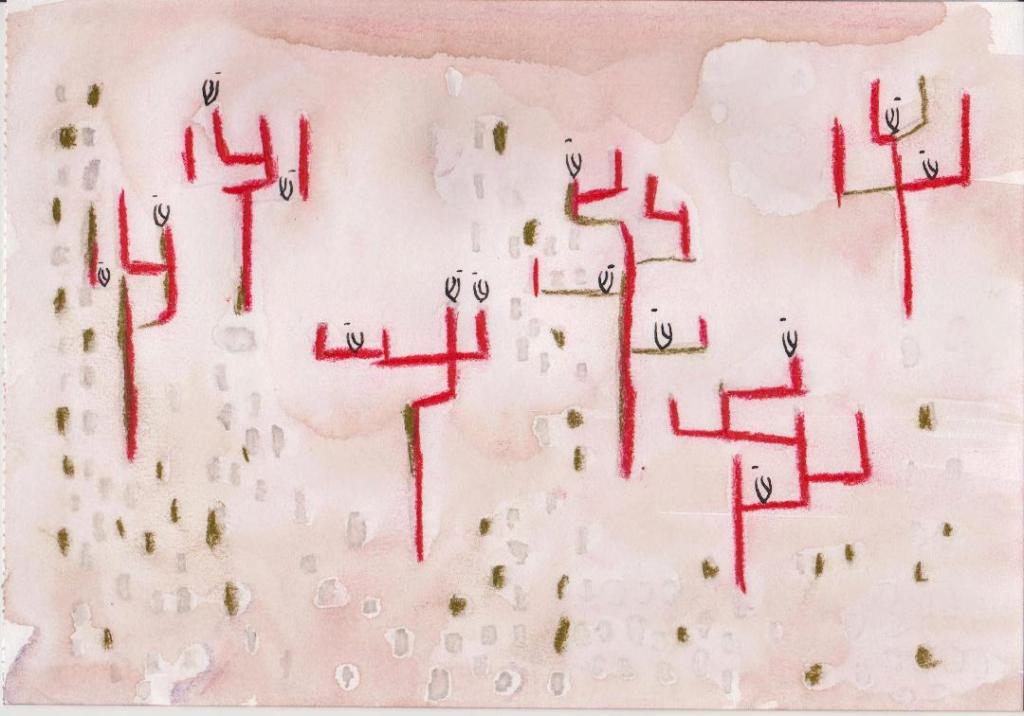
above: Dystopia 1/ أعلى ديستوبيا 1
(my drawing/ رسمتي)
Sources/ مصادر
Hannah Arendt. 1998. The Human Condition. 2nd ed. The University of Chicago Press: Chicago
Nicholas Mirzoeff. 2015. A Pelican Introduction: How to See the World. Penguin Books: New York,
Desiree Custers. 2019. Arabic Science Fiction as Vehicle for Criticism: The case of Ibrāhīm Naṣrāllah’s Ḥarb al-Kalb al-Thāniyyah
Ian Campbell. 2018. Arabic Science Fiction. Georgia State University: Atlanta
Ikram Masoudi. 2015. War and Occupation in Iraqi Fiction. Edinburgh University Press:Edinburgh, p. 4. In this book Masoudi uses the concept to analyse war and occupation Iraqi literature, using novels about the Iran-Iraq war, the Gulf War and the US occupation after 2003
“The Covid-19 Pandemic in the Middle East and North Africa.” The Project on Middle East Political Science Studies: 39, April 2020
Bhargav Rani. 2015. “Science Fiction in the Arab World: Tawfiq al-Hakim’s Voyage to Tomorrow.” Arab Stages 1(2)
Giorgio Agamben. 1998. HomoSacer: Sovereign Power and bare life, trans. Daniel Heller-Roazen, Stanford University Press:
Dalia Ghanem. “The authorities in Algeria are exploiting the corona virus lockdown to stifle the country’s protest movement.” Carnegie Middle East (April 8, 2020) https://carnegie-mec.org/diwan/81499
 issabramil.com
Sci-fi x philosophers x global issues!!! Fascinating
إعجابإعجاب
I would like to reach out regarding this topic. I am a digital artist who’s recently interested in speculative design and fiction in the intersection of technology and religion.
إعجابإعجاب
Hi Islam, thanks for reaching out! You can send me an email at desireecusters@yahoo.com and we can discuss further. Looking forward, best regards
إعجابإعجاب