For English scroll down
هل تعلمنا شيئاً بعد عشر سنوات من البحث والجدال حول الإسلام والمسلمين في هولندا؟ هذه واحدة من الأسئلة التي طرحها الأستاذ موريتس بيرغير، أحد أساتذتي في دراستي للبكالوريوس، في كتابه المنشور حديثا بالعنوان: “حلال بوريل”. ولكن، بينما يسعى الكتاب للإجابة على هذا السؤال والعديد من الأسئلة الأخرى، إنه أيضاً، وقد يكون ذلك أهم، يسعى لإعادة النظر على الاجابات عبر نظرته الاستبطانية إلى المجتمع الهولندي وتعامله مع الأقلية المسلمة. في هذه المقالة سأسلط الضوء على بعض الأفكار المعروضة في الكتاب
إن الطريقة التي يمارس بها مسلمو هولندا دينهم، كما يوضح الأستاذ بيرغر، تتأثر بالأزمنة وبالبيئة الاجتماعية التي يعيشون فيها. لذا، القواعد والأنظمة الهولندية بالإضافة إلى تقاليدها وثقافتها، تشكّل إلى حد بعيد الإسلام في هولندا. على سبيل المثال، لا تتدخل الحكومة الهولندية في الشؤون الدينية. يلاحظ الأستاذ بيرغر هنا إختلافاً مع بلجيكا، حيث تعترف الحكومة بالأديان وحتى تدفع رواتب رجال الدين. أحد تداعيات النظام الهولندي هي إن المساجد مجبورة أن تبحث على دعم مالي من مصادر أخرى قد تكون أكثر إثارة للجدل في المجتمع الهولندي، مثلا الدعم من دول خليجية
أحد العناصر التي تشكل النظر إلى الإسلام والأقلية المسلمة في هولندا، هو الفشل في مناقشة الموضوعات الأساسية التي تسبب التوتر الإجتماعي. يقودني هذا إلى النقطة الثانية التي أريد أن أوضحها أكثر، وهي “النقاش حول الإسلام”. أولاً، هناك إستقطاب ملحوظ في النقاش حيث لم يكن الهدف إبلاغ الاخر وتبادل الأفكار بل الفوز بالنقاش فقط. تشديد وقسوة النقاش دليل على زمننا المتميز ‘برقمية التفكير’ وتخفيض النقاش إلى إجابات’لا أو نعم’ سهل استيعابها (ص. 4). إذاً لا توجد أيّ مساحة لآراء دقيقة أو حيادية
أود أن أضيف هنا ظاهرة ‘الإيموقراطي’، وهي ديمقراطية تستند إلى التأثير وسيطرة العاطفية أكثر من العقل أو الحقائق. كتبتُ قبلاً إن الخطاب السياسي الذي يركز على ‘الشعور في البيت‘ يثير في المجتمع السؤال: “مع مَن أشعر بالراحة وفي البيت؟”، وبدوره يؤدي هذا السؤال إلى أن تصبح الاختيارات الشخصية، مثل طريقة اللبس (مثلاً: إرتداء الحجاب) وطريقة التحية (مثلاً: رفض المصافحة بين رجل وامرأة) إلى مسائل عامة إجتماعية
لقد أصبح النقاش السياسي نقاشاً شخصياً. في كثير من الأحيان لا يوجد تمييز بين القيم التي يجب أن يتضمنها المجتمع، وبين التفضيلات الشخصية للفرد. على سبيل المثال: قد يكون رأيي الشخصي إنني لا أحب الحجاب، ولكن هذا لا يعني إنني لازم أن استنبط رأياً على المجتمع بأسره. كثيراً ما تُفسر إختيارات المواطنين الذي لا تتفق مع رأي الواحد، على أنها هجوم شخصي على أخلاقه
إن عدم القدرة على التمييز هذه، تسبب أيضاً صعوبة لبعض الهولنديين بأن يستوعبوا أو يفهموا أنه بالنسبة للمسلمين المتدينين قد لا يكون هناك تناقض في أن يقبل الحرية الكاملة للجميع، بينما يفرضون على أنفسهم والذين حواليهم القواعد الدينية (ص. 95). هنا تكمن القدرة على قبول وجود الآخر كعضو في المجتمع، على الرغم من عدم قبوله آرائهم
صعوبة فهم هذه القدرة على التمييز بين المستوى الشخصي والإجتماعي تسببها أيضاً التوقعات بأن المسلمين، إذا عاشوا في مجتمع حر لفترة كافية، سوف يتخلصون بشكل طبيعي وتدريجي من دينهم الإسلامي. طبعاً، الحقيقة هي أن الدين يتشكل في عين المحب. كثير من الشباب المسلمين في هولندا، على سبيل المثال، يبررون حريتهم للاختيار من خلال الدين الإسلامي (ص. 136). وبالنتيجة، هناك حاجة إلى تفكيك التصورات عن علاقة بين الدين والحداثة
مأزق آخر في النقاش العام حول الإسلام، هي الاستدلال على أن كل ما يفعله المسلمون، يحث عليه الإسلام. لذلك كلما يحدث شيء سلبي يُربَط بالإسلام، فوسائل الإعلام الهولندية مهتمة بما يفكر به المسلمون. المنطق هو على سبيل المثال: نريد أن نعرف بماذا يفكر المسلمون عن حدث معين. المسلمون يتقيّدون بالإسلام، فإذا عرفنا ما يقوله الإسلام، سوف نعرف بماذا يفكر المسلمون
يسمي الأستاذ بيرغر الفرضية بأن كل شيء يفعله المسلم مدفوعاً بالدين، فرضية ‘الهوموإسلامي’ أو ‘الإنسان الإسلامي’. بدلاً من ذلك، علينا أن نبني وجهة نظر أكثر براغماتية ويجب طرح السؤال الآتي: هل الإسلام، أو الدين بشكل عام، يسبب سلوكاً معيناً، أو يبرره؟
هذه الفرضية تجعل تأطير النقاش عن الإسلام على أنه نقاش حول الدين. ولكن، كما يكتب الأستاذ بيرغر، كثيراً ما يتحول النقاش إلى التركيز على مواضيع مثل “العنصرية والاستثناء والتنوع” في مجتمع متعدد الثقافات (ص. 37-38). بدلاً من التعمق في هذه المواضيع فوراً، يبدو إن هناك حاجة في هولندا، بأن يُناقش موضوع الدين الإسلامي قبل النظر إلى القضايا الحقيقية
كما تساءلت في مقالة سابقة، فإن إحدى هذه القضايا الحقيقية هي السؤال إلى أي مدى ‘يُسمح’ للمسلمين في هولندا أن يعيشوا حياتهم دون فحص أو شكوك من قبل بقية المجتمع الهولندي، ويختلف هذا المدى مقارنة بالأقليات (الدينية) الأخرى
يقودنا هذا إلى النقطة الثالثة والأخيرة، وهي مفهوم التسامح. يذكر الأستاذ بيرغر تفسيرين لمفهوم التسامح: الأول ينص على أن جميع الأقليات لها نفس الحقوق في الوجود، بينما التفسير الثاني يرى أن الأغلبية هي المعيار لتصرفات الأقليات (ص 156). يعاني المسلمون في هولندا من التفسير الثاني، ‘تسامح الأغلبية’، فيُسمح لهم أن يكونوا مسلمين، ولكن إلى حد ما فقط
يُعتبر المسلم على أنه ‘الآخر المطلق’، فالأغلبية تتوقع الامتنان لأنها ‘تسمح’ للمسلم أن يتصرف بشكل غير عن معيار الاغلبية وتتسامح معه. لكن المسلمين مواطنون مثل أي مواطن هولندي آخر. التعبير الثقافي أو الديني المسموح به للأقلية، محدود بالقيود الثقافية والدينية للأغلبية، بينما حقوقها السياسية والقانونية تؤكد حرية الأقلية
يربط الأستاذ بيرغر هذا بالنقاش عن الإسلام. فبينما يشير المسلمون إلى حقوقهم السياسية والقانونية، فالطرف الآخر وهم كثير من الهولنديين، يشيرون إلى الأسس الثقافية والتقاليد (ص 169). نتيجة لذلك، يتناقش الطرفان عن موضوعين مختلفين. هنا نجد التحدي الرئيسي الذي يواجه المجتمع الهولندي: إيجاد طريقة للحوار المفيدة (وليس النقاش) والتخلص من ضجيج المغالطات
يعالج الأستاذ بيرغر في كتابه العديد من القضايا الإضافية، مثل استخدام مفاهيم اللغة العربية في هولندا في النقاش عن الإسلام (مثل السلفية والجهاد)، والدور التي تلعبها المراجع التاريخية والذكريات الجمعية (علاقتها بتشكيل الصور النمطية)، والاختلافات الجيلية بين المسلمين الذين يعيشون في هولندا. لسوء الحظ لم يترجم الكتاب إلى اللغة العربية بعد. لكن بعض أعمال الأستاذ بيرغر باللغة الإنجليزية وهي مذكورة تحت المقالة الإنجليزية أدناه
تابعوا ديسيري على تويتر @desicusters
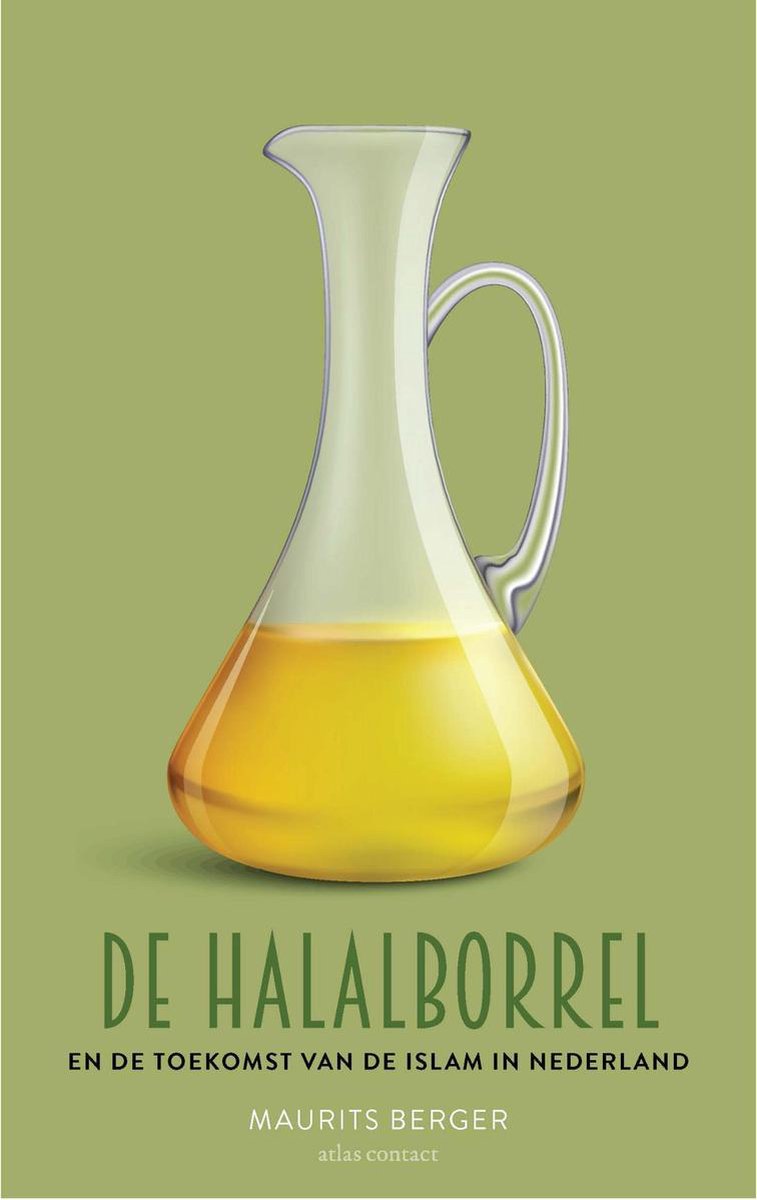
Have we learned anything from ten years of research and debate on Muslims and Islam in The Netherlands? This question was recently posed by one of my past professors, Maurits Berger, in his book Halalborrel. While this book attempts to answer this and many other questions, it also, maybe more importantly, questions many answers through its introspective look at the Dutch society and the way it has dealt with its Muslim minority. In this article I will elaborate on some of the ideas presented in the book
The way that Muslims in The Netherlands practice their beliefs, Prof. Berger argues, is influenced by the times and the society they live in. Dutch rules and regulations, as well as traditions and culture play a large role in shaping Islam in The Netherlands. For example, the Dutch state doesn’t involve itself in religious activities. Prof. Berger contrasts this with Belgium, where the state recognizes religions and pays the salaries of their clergy. A consequence is that mosques in The Netherlands seek financial support from other, sometimes controversial, sources
One of the elements shaping the way Islam and the Muslim minority are perceived in The Netherlands, is the failure of constructive discussion of the causes of social friction. This brings me to the second point I want to elaborate on, namely the ‘islamdebate’. First, there is a noted polarization of the debate, where the the goal is less to inform one another than to win the argument. This hardening of the debate is very much a symptom of these times in which the ‘digitalization’ of our thinking leads to ready-made yes-or-no options (p. 40). There is no space for nuance or neutrality
I would add here the phenomenon of ‘emocracy’, a situation in which emotions matter more than reason or facts. As I’ve written elsewhere, a political discourse focused on ‘feeling at home’ makes people ask : “with whom do I feel comfortable and at home?” Uneasiness with the personal choices of others, such as the way they dress (read: wearing a headscarf) or greet each other (read: refusing to shake hands with the opposite sex) become the domain of the political public arena
The political debate has thus become personalized. No distinction is made between the values a society should entail, and what the personal preferences are of an individual. For example: it may be my personal view that I do not like the headscarf, but that does not mean I should extrapolate my opinion to the whole of society. As such often the choices of fellow citizens that one might not agree with, are interpreted as a personal attack on their values
For many devout Muslims, however, there is “no contradiction in wishing everybody all their freedoms but asking themselves and their environment to abide by strict religious demands.” (p. 95) This would have them accepting the existence of the other as a member of society, although perhaps not accepting his or her opinions and values. As the book notes, this is difficult for some Dutch people to conceptualize
The inability to conceptualize this seemingly contradictory view is also strengthened by the linear expectation that Muslims, if they “lived in a free society long enough, would naturally throw off the yoke of religion.” (p. 130) Of course, the reality is that religion is in the eye of the beholder. Young Muslims in The Netherlands, for example, “legitimize or justify their freedoms and opportunities by using to Islam.” (p. 136-7). Thus there is a need to decompose the conception of the link between religion and the freedom associated with modernity
Another pitfall in the general debate on Islam is the inference that whatever Muslims do is motivated by their religion. Whenever something negative happens that is associated with Islam, Dutch media wants to know what Muslims think. The logic when there are attacks is for example, (p. 30): “We want to know what Muslims think of these attacks. Muslims support Islam, if we know what Islam thinks about this, we will know what Muslims think
Prof. Berger calls the assumption that everything that Muslims do is motivated by Islam, the belief in a ‘homo islamicus’. Instead, as is the case with any religion, a more pragmatic view is suggested. The question that should be asked is “Does Islam, or religion at large, for that matter, cause or justify certain behavior
The assumption that everything that Muslims do is motivated by Islam leads to the ‘islamdebate’ often being framed as a debate on religion. However, Prof. Berger writes, often they really centre on issues of “discrimination, exclusion, and diversity” in a multicultural society (p. 37-38). Rather than delve into these topics straightaway, there seems to be a need in The Netherlands to thoroughly discuss the topic of Islam first
As I argue in a previous article, one of the real issues is the extent to which Muslims in The Netherlands are ‘allowed’ to lead their lives without being scrutinized, and why this seems to differ from other (religious) minorities
This brings us to the third and final point, namely that of tolerance. Prof. Berger mentions two concepts of tolerance: one states that all forms of behaviour have an equal right to exist while the other takes the behaviour of the majority as the benchmark (p. 156). Muslims in The Netherlands experience the latter – the tolerance of the majority: they can be Muslim, but only to a certain extent
As the Muslim is seen as the ultimate ‘other’, the majority expects gratitude for their ‘tolerance’ of the Muslims’ ‘deviant behaviour that disrupts the majority’s unity’. But The Netherlands belongs as much to them, as to any other Dutch citizen. The permitted cultural or religious expression of a minority is limited by the cultural and religious values of the majority, while their equal position, the first concept, is guaranteed by political and legal rights
Prof. Berger again links this to the ‘islamdebate,’ for while Muslims make their case on the basis of political and legal arguments, many Dutch argue on the basis of cultural and religious values (p. 169). As a result, the two (or more) groups talk to each other, but not with each other. Herein lies the main challenge for Dutch society: talking (not debating) with each other in a constructive manner that filters out the cacophony of fallacies
In his book, Prof. Berger addresses many additional topics, such as the consequences of using ‘exotic language’ in the ‘islamdebate,’ the discrepancy in historical reference points and collective memories between Muslims and non-Muslims (and how these shape certain stereotypes), and intergenerational differences among Muslims living in The Netherlands. Unfortunately, the book is still only available in Dutch. However, some other works by Prof. Berger in English are mentioned below
Desiree tweets via @desicusters
“Bridge the Gap, Or Mind the Gap? Culture in Western-Arab Relations” (2008, M. Berger et al)
“Islam and the Uncertainty Principle” (2009)
“Religion and Islam in Contemporary International Relations” (2010)
“A Brief History of Islam in Europe: Thirteen Centuries of Creed, Conflict and Coexistence” (2014)
Desiree tweets via @desicusters تابعوا ديسيري على تيتر
 issabramil.com
جميييل
إعجابإعجاب
شكراً جكيلاً
إعجابLiked by 1 person