
For English scroll down
إحتفلت عدد من البلدان أوروبية في السنة ا2017 بعيد الحركة الإصلاحية البروتستانتية اللوثارية 500 سنة (1517). كانت هذه الحركة الإصلاحية وسيلة لتوحيد التفكير العقلي والعلمي مع الدين. يُقال ذلك أيضاً عن مصلحيين المسلميين في زمن النهضة. تقارن هذه المقالة هاتين الحركتين: الإصلاحية البروتستانتية و الإسلامية.
إصلاحات لوثر
صدر مارتن لوثر (1483-1546) في القرن 16، 95 نقطة شكّ في عقيدة ونمط حياة الكنيسة الكاثوليكية الرومانية على سبيل المثال فسادها تأثير الكنيسة في المواطنيين الشعور بالذنب لكي تبيع صكوك غفران. علاوة على ذلك فكرة أن الخلاص والخلود يحصل عليهما عبر إيمان المؤمن بأن يسوع هو المخلّض.
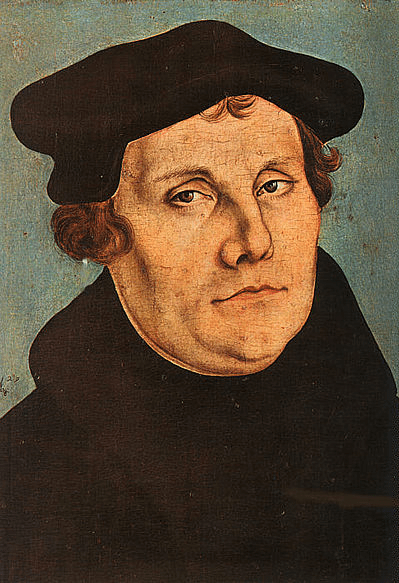
مارتن لوثر، لوحة للوكاس كرانش ثا الدير (1529). مصدر: ويكيبيديا / Martin Luther by Lucas Cranch: the Elder (1529). Source: Wikipedia
مع أنه من الممكن أن أضيف كثيراً عن قراءة لوقر للكتاب المقدس، ولكنني أريد أن أذكر في هذه المقالة أنه كان يفسر نص الكتاب بشكل حرفي وهذا يعارض تقليد التفسير الرمزي الكاثوليكي. هذا لا يعني إنه كان أرثوذوكسياً بأكمله لأنه كان يفسر العهد القديم بطريقة مجازية.
و دعا لوثر أيضاً الى العلاقة الذاتية بين الفرد و ربه، وجعل ذلك ممكنا بترجمته للكتاب المقدس من اللغة اللاتينية إلى الألمانية. شجع المتدينين على قرءة الكتاب المقدس بأنفسهم لكي يرجعوا إلى أساس الدين بدلاً من أن يتبعوا ما تقول الكنيسة الكاثوليكية الرومانية.
النهضة
النهضة تشير إلى فترة صحوة بدأت عندما دخل نابوليون بونابارت مصر عام (1798) وإستمرت تحت الزعيم العثماني محمد على باشا الألباني الذي إستثمر في التعليم والتحديث في مصر. من بين أمور أخرى أرسل علماء عرب إلى أوروبا في رحلات تعليمية وطبق في مصر نطاماً طباعياً مكّن من توزيع
معلومات كثيرة لكل أنحاء العالم العربي. تعاقب المفكرون والمثقفون الذين إستمروا في التحديث في مجالات مثل التفكير الديني، الأدب العرب وتطوير اللغة العربية. من بين أبرز المفكرين عن الدين سيد جمال الدين الأفغاني (1839- 1897) ومحمد عبده (1849-1905).
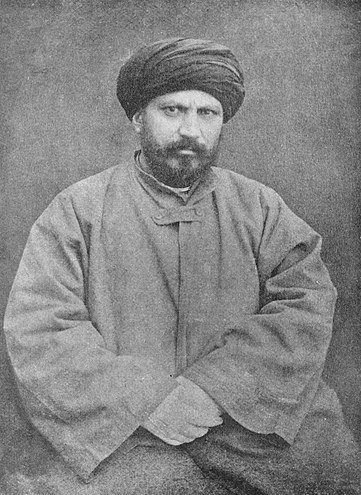
سيد جمال الدين الأفغاني. مصدر: ويكيبيديا / al- Afghānī. Source: Wikipedia
أوجه الشبه
أولاً، بدأت الإصلاحية البروتستاتنتية والنهضة بعدم رضا عن الظروف السياسية والإقتصادية. عرفت أوروبا تحت السيطرة الدينية الكاثوليكية الرومانية وتحت النظام الإقطاعيّ في مصر نهاية السيطرة العثمانية، فترة الإنهيار والفقر.
ثانياً، دعت الحركتان إلى تفسير جديد للكتاب المقدس والقرآن الذي يؤيد علاقة ذاتية بين المتدين والربّ أو الله. يعتبر الكثيرون تفسير لوثر متحرراً لأن الكنسية لم تعد تقف بين الفرد والله. فسر المصلحون المسلمون في النهضة عقائد التقليدية المنتشرة. شجب الأفغاني وعبده التقليد الأعمى لأرآء الأمة (الحكم الديني في تلك الوقت) ودعا كل مسلم أن يقرأ القرآن بنفسه إلى استخدام العقل و التفسير الشخصي، أيّ الإجتهاد، في فهم القرآن.
ثالثاً، شجعت الحركتان تطوير العلم وإستخدام العقل. عارضت الإصلاحات البروتستنتية الرفض الكاثوليكي للتجارب العلمية. أوحى تفسيرها الحرفي للكتاب المقدس البحث عن العلم لأنه جعل الناس ينظرون إلى العالم من حولهم كيف إنه تجريبي وليس إفتراضياً بمعنى رمزي.
في النهضة تمّ تشجيع الحصول على العلم والمعرفة عبر الاجتهاد. الأفغاني على سبيل المثال فكر إن العلم لازم يكون على أساس التفكير الفلسفي ووضع نظرية عن المعرفة يدعو فيها إلى أن البحث العلمي ينسجم مع الإسلام.
ملاحظات
رغم أوجه الشبه بين الحركتين توجد بعض ملاحظات تستحق ذكرها. أولها هي أن النهضة ليست الحركة الإسلامية الوحيدة التي دعت إلى الرجوع إلى أصل الإسلام. دعت للإصلاح الوهابي (القرن 18) أيضاً إلى قراءة القرآن بشكل حرفي. ولكن أدت الحركة الوهابية إلى إظهار العقيدة السلفية التي كثيراً ما تربط (إن كان صحيحاً أم غير صحيح) بالإرهاب.
علاوة على ذلك، كان هدف الإصلاحية البروتستانتية أن إصلاح الكنيسة من الداخل. هدف المصلحون المسلمون كان أن يصلح الدين نفسه، مع إن ذلك أدى أيضاً إلى إصلاحات في مؤسسات مثل في الفقه والتعليم (مثلا جامعة الأزهر الشهيرة).
ثالثاً، حدث الحركة الإصلاحية الإسلامية في سياق إزدياد التواصل الديني بين أوروبا والعالم العربي والإحتجاج الدائم ضد الإستعمار الأوروبي. الإصلاح الإسلامي لذا دخل إلى العالم العربي علم وتقنية محددة من العالم الغربي بمحافظة على أرآئهم واعقيدتهم الدينية وعبر ذلك طوروا هويتهم الخاصة في الدنيا الذي إزداد عولمة. الإصلاحية البروتستانتية، من ناحية أخرى، لم تواجه هذا التواصل الديني
مصلحون مسلمون جدد
دعا بعض المفكرين و المثقفين المسلمين الجدد بإصلاح الإسلام. نصر حامد أبو زيد (1943-2010) على سبيل المثال، جادل بأن يُقرأ القرآن مع الأحذ بعين الإعتبار إنه ليس فقط كتاب ديني، ولكنه أدب كُتب في سياق ثقافي وتاريخي معين. فدعا إذاً إلى قراءة القرآن بشكل نقدي. أجبر أبو زيد بسبب أرآئه أن يهرب من مصر وعاش بعد هجرته في هولندا.
أجبر محمد نعيم (ولد 1946) أيضاً أن يهاجر من بلده السودان و ينتقل إلى الولايات المتحدة فرأيه هو إن التميز بين الآيات المكية و الآيات المدنية ضروري. الآيات المكية تمّ وحيها قبل هجرة النبي إلى المدينة، تضمن بالنسبة لنعيم رسائل عن البشر ككل وعن أساس الدين بينما الآيات المدنية تضمن واجبات وقوانين مباشرة. يعطي نعيم أولوية للآيات المكية لأنها تتضمن حقيقة خلودية بينما الآيات المدينة ملائمة للوقت الذي ظهرت فيه، ولكن ليس بضرورة ملائمة للمجتمع الحالي. مثال آخر أمينة ودود (ولدت 1952) وهي عالمة لاهوتية ومسلمة أمريكية التي تقرأ القرآن من وجهة نظر نسائية وتقول إن يمكن للمرأة أن تكون أمامة.
في تلخيص، دعت الحركة الإصلاحية اللوثرية وإصلاحيات مفكري ومثقفي اللوثرية إلى تفسير جديد للكتاب المقدس وللقرآن الذي يسمح للكتابين أن يُقرأ بشكل صادق ويسمح بتطورات حديثة وعلمية في نفس الوقت.
في العالم الإسلامي الجديد المعاصر، تابع مفكرون ومثقفون جدد مثال هتان الحركتان في تفسيرهم الجديد للقرآن وللإسلام الذي يوافق بالعالم الماصر والحديث، إن كان في بلدان عربية أم في الغرب.
تم إعادة نشر هذه المقالة. المقالة الأصلية موجودة على مدونة لاغرانج بوينتس بروكيل
تابعوا ديسيري على تويتر @desicusters
The unexpected similarities between Muslim reformers and Luther
In 2017, several European countries celebrated the 500-year anniversary of Luther’s Protestant reformation (1517). This reformation offered a way to unite rational thinking, science and belief, something that has also been said about the Muslim reformers during the Arabic Nahḍa. This article will draw a comparison between the Protestant and Islamic reformist movement and will show that they share some remarkable similarities
Luther’s reform
In the 16th century Martin Luther (1483-1546) published 95 theses which questioned the doctrines and lifestyle of the Roman Catholic Church including their corruption and manipulating a feeling of guilt among citizens to sell indulgences so that full or partial remission of their punishment would be granted. Furthermore, he rejected several teachings from the Roman Catholic Church. For example, he thought that salvation and eternal life is received through the believer’s faith in Jesus Christ as redeemer from sin
Although much can be said about Luther’s reading of the Bible, I would like to mention in this article that he held a literal interpretation the text. This is not to mean that he was a complete literalist seeing as he read the psalms of the old testament as allegorically. Rather, it meant that he rejected the speculative Catholic tradition of interpretation
Luther also called for a personal relationship between the individual and God, something that he partially made possible by translating the Bible from Latin into German. He encouraged believers to read the holy book themselves and through this get back to the roots of the Christian believe rather than follow the Roman Catholic Church
The Nahḍa
Nahḍa is the Arabic word for “awakening” and refers to a period of renaissance that began with Napoleon’s invasion of Egypt in 1798 and continued with the subsequent Ottoman rule of Muḥammad ʿAli Pasha who invested in the education and modernization of Egypt
Among others he sent Arab scholars to Europe on educational trips and implemented a printing press system that spread information to large parts of the Arabic world. A succession of scholars and thinkers continued the modernization in fields such as religious thought, Arabic literature and the development of the Arabic language. Names include Sayyid Jamāl al-Dīn al- Afghānī (1839- 1897) and Muḥammad ʿAbduh (1849-1905)
Similarities
To start, both the Protestant reform and the Nahḍa started with a discontent of the political and economic situation. Both Europe under the religious rule of the Roman Catholic Church and under the land division system of feudalism, as well as Egypt under the late Ottoman rule knew a period of poverty and decay
Second, both movements called for a reinterpretation of the religious book that advocated a personal relationship between believer and God. Luther’s interpretation was received as liberating by many because the institution of the Church standing did not stand between the individual and their God
Modernist Islamic reformist thinkers in the Nahḍa reinterpreted classic dogma’s of Islam. Al-Afghānī and ʿAbduh for example, condemned the blind imitation (taqlīd) of the religions views of the ʿUmma (the Islamic authority at the time). They advocated for every Muslim to read the Qurʾan themselves and to use reason and personal interpretation (ijtihād) when reading
Third, both movements encouraged the development of science and the use of rationality. The Protestant reform rejected the Catholic refusal of scientific experiments and inspired the search for knowledge. Its literal interpretation of the Bible inspired the search for knowledge because it prompted people to look at the world around them as it is empirically and not speculatively
During the Naḥda science and knowledge was encouraged by the practice Ijtihād. Al-Afghānī, for example, thought that science should be based on philosophical thinking and he formulated a theory of knowledge to argue that Islam is compatible with scientific inquiry
Side notes
Despite the similarities between both movements, some side notes should be made. The Nahḍa reformist movement was not the only Islamist movement that called for the return to the fundaments of religion. The Wahhabist reform (18th century) called for a literal reading of the Qurʾan. However, this movement led to the creation of a Salafist dogma that is often (although not always correctly) related to terrorism
Furthermore, the Protestant reform aimed to change the Church from the inside. The Islamic reformists focused on the Islamic religion itself, although it at times did involve institutions primarily in law and education (for example in the famous Azhar university of Cairo)
Third, the Islamist reformist movement took place in the context of increasing religions exchange between Europe and the Arab world and the continued resistance to European colonialism and imperialism. Islamic reformism thus aimed to select particular (western) science and technology while preserving their own religious convictions creating their own identity in a modernising and globalising world. The protestant reform, on the other hand, did know the same context of religious exchange
Modern Muslim reformers
More recent Islamic thinkers have also attempted to reform Islam. Naṣr Ḥāmid Abū Zayd (1943-2010), for example, argued that when reading the Qurʾan, one should take into account that it is not only a religious book, but also a cultural and historic work. He thus called for a critical reading of the Qurʿanic texts. For holding these views he was forced to leave Egypt and he settled in the Netherlands where he teached at Leiden University
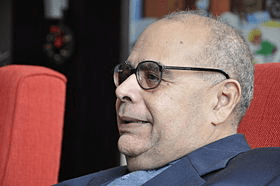
نصر حامد أبو زيد. مصدر: ويكيبيديا / Naṣr Ḥāmid Abū Zayd. Source: Wikipedia
Muḥammad Naʿīm (b. 1946) fled from Sudan to the U.S. for his view that a distinction should be made between the Meccan and Medinan verses in the Qurʾan. The first group, revealed to the prophet before his migration to Medina, contain messages on humankind and the foundations of religion while the latter involve direct laws and duties. According to Naʿīm, Meccan verses should get priority because they are eternal truths, Medinan verses were appropriate in the time of their revelation but are perhaps not applicable to contemporary society
A last example is Amina Wadūd (b. 1952) an American Muslim theologian who reads the Qurʾan from a feminist perspective and who argues that women should be able to be religious leaders
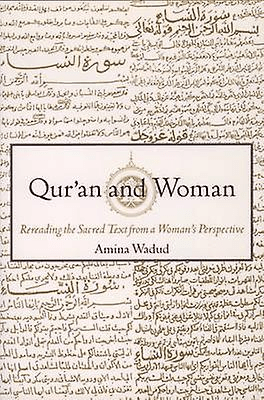
Amina Wadūd’s book Qurʾan and Woman: Rereading the Sacred Text from a Woman’s Perspective (1999)
In conclusion, both the reformation inspired by Luther and the reformations of the Nahḍa thinkers called for a reinterpretation of religion in which the holy book would be read in a sincere manner while at the same time allowing for modernist, scientific developments
In the Islamic world of today, modern thinkers have followed the example of both these movements in their (re)interpretation of Islam and the Qurʾan that agrees with the modern world, be it in the Arabic world or in the West
(This article is a republication. Original Article can be found on the Blog-page of Lagrange Points Brussel)
Desiree tweets via @desicusters
 issabramil.com
أضف تعليق