

For English scroll down
This article was originally published the LSE Middle East Centre’s Blog on November 20, 2020/نشرت هذه المقالة سابقاً باللغة الإنكليزية على مدونة ل.س.إي. الشرق الأوسط يوم 20 نوفمبر 2020
أظهر الإنتباه الدولي لتطبيع السودان مع إسرائيل أهمية السودان كموقع جيوستراتيجي في القرن الأفريقي، تتنافس عليه القوى الإقليمية. ولكن المزيد من الضغط الإقليمي الخارجي على السودان يعرِّض العملية الانتقالية إلى حكومة شاملة ومدنية للخطر بعد الثورة السودانية السلمية التي أدت إلى خلع الرئيس عمر البشير عن السلطة في 11 أبريل 2019 بعد حكم قارب 30 سنة. هذه المقالة سوف تصف كيف أن التدخل الخارجي قد يزعزع العملية الإنتقالية عبر التركيز على المنافسة بين الترويكا العربية والتحالف القطري-التركي
الثورة السودانية والتحوّلات السياسية
بعد الإطاحة بالبشير في السنة 2019، وقّع المجلس العسكري والجهة المدنية إتفاقاً لمشاركة السيطرة في البلد وبدء عملية انتقالية تؤدي إلى حكم مدني، تحت إشراف رئيس وزراء الحكومة الإنتقالية عبدالله حمدوك ورئيس المجلس العسكري السوداني الفريق أول عبد الفتاح البرهان الذي يرأس المجلس السيادي السوداني. ودلّ هذا التحوّل على تغييرات في السياسة السودانية الخارجية
خلال 30 سنة من حكم البشير، تمتع السودان بعلاقات وثيقة مع تركيا وقطر، من ضمنها إتفاق من السنة 2017 بين السودان وتركيا بحسبه تسيطر أنقرة على جزيرة سواكن على شاطئ البحر الأحمر، وقد الغي هذا الإتفاق بعد الثورة. ولكن العلاقات مع تركيا وقطر لم تمنع البشير من التقارب أيضاً من الإمارات والمملكة السعودية من 2014 فصاعداً، أملاً في تحسين العلاقات مع الولايات المتحدة وتأمين مكاسب مالية من الدول الخليجية. عندما اندلعت أزمة الخليج بين قطر والدول الخليجية في السنة 2017، قرر البشير الوقوف على الحياد مما ساهم في تسارع الإنهيار الإقتصادي في السودان
المصالح الجيوستراتيجية
عند اندلاع الثورة السودانية في 2018، رأت الترويكا العربية (الإمارات ومصر والمملكة السعودية) فرصتها لتعزيز موطئ قدمها في السودان وفي نفس الوقت التقليل من نفوذ تركيا وقطر. لقد دعمت البلدان الثلاثة الإحتجاجات، ولكنها أيضاً سعت إلى تعزيز موقع العسكريين الذين يستطيعون ضمان مصالح سياستها الخارجية وتقوية نفوذها. دعمت الإمارات والمملكة السعودية على وجه الدقة محمد حمدان دقلو، المعروف بحميدتي، نائب رئيس المجلس العسكري الفريق أول
المصالح جيوسياسية الإقتصادية والعسكرية هي التي تقود المنافسة بين الجانبين. ومهم في ذلك ساحل البحر الأحمر في شرق السودان، حيث هناك موانئ كبيرة ومرافق لتصدير النفط، بالإضافة إلى الأراضي الزراعية. تمتلك شركات سعودية وإماراتية كثير من هذه الأراضي المستأجرة و تزرع فيها المحاصيل الغذائية والفالفا والوقود الحيوي. مجموع الأراضي التي تستخدمها الإمارات والمملكة السعودية يفوق بكثير مجمل الأراضي الزراعية التي يستثمرها السودانيون. من الناحية العسكرية، استخدمت كلّا من الإمارات وتركيا السودان كمنطلق لجهودهما العسكرية في اليمن وليبيا

التطبيع مع إسرائيل
هناك تقارير تشير إلى أن جزءاً من إستراتيجية الإمارات كانت تقارب السودان من سياستها التطبيعية مع إسرائيل. والولايات المتحدة، بتكتيكاتها العصابية، ربطت التطبيع برفع السودان من قائمة الدول الراعية للإرهاب. وتمّ إتخاذ الخطوة الأولى لذلك يوم 19 أكتوبر/ تشرين الأول، عندما وافقت الحكومة الإنتقالية بأن تدفع 335 دولاراً تعويضات للأمريكيين ضحايا الإرهاب. وتلى ذلك يوم 23 أكتوبر/ تشرين الأول علان إقامة السودان علاقات مع إسرائيل
مع إن التطبيع قد يؤدي إلى مزيد من الإمكانيات الإقتصادية الضرورية، فالخطوة تعزز أيضاً العناصر العسكرية والأفراد المرتبطين بالبشير سابقاً في الحكومة الانتقالية. وهناك خطر زيادة التوترات الداخلية في الحكومة الإنتقالية، علاوة على عدم الثقة في العملية الإنتقالية من قبل المتظاهرين الذين كانوا قد طالبوا بحكومة مدنية. الحكومة الحالية قلقة بأن إحباط السودانيين قد يؤدي إلى احتجاجات جديدة وإلى إسقاطها في النهاية
الإسلام السياسي
شهد السودان بعد الثورة قطعاً واضحاً مع الحكم الاسلامي المتطرف المرتبط بالفساد والقمع في حكومة البشير. ولكن تهميش الحركات الإسلامية بدون تمييز، أدى إلى إحباط بين الإسلاميين ومؤيديهم. إستخدم الإسلاميون (ليس بشكل إستثنائي) التطبيع مع إسرائيل بمثابة صيحة استنفار في محاولة لإسقاط الحكومة
رغم أن تأثير الإسلاميين في الفترة ما بعد البشير محدد، فتركيا وقطر، اللتان تدعمان الحركات الإسلامية (مقابل الترويكا العربية) قد تحصلان على موطئ قدم أقوى إذا تدهور الدعم للحكومة الإنتقالية. بعد الإطاحة بالبشير، حاولت تركيا إحياء نفوذها في السودان بأن تعقد لقاءات مع القوى السياسية الإسلامية وقدمت ملجأً لعدة أعضاء من الحكومة السابقة. وهناك مقالة تشير إلى أن الإسلام كان الموضوع عند توزيع المساعدات الإنسانية التركية والقطرية في الأقاليم المهمشة
النزاعات في شرق السودان
المنافسة الإقليمية بين الترويكا العربية من جانب، وتركيا وقطر في الجانب الآخر، ايضاً يصب في التوترات والقضايا الإقليمية الموجودة قبلا. في شرق السودان، الذي شهد احتجاجات ضد اتفاق السلام الذي وقّعته الحكومة والجماعات المتمردة الخمس الرئيسية، اندلعت اشتباكات قبلية في مدينة كسلا بين البني عامر والبجا التي أدت إلى عدد من القتلى. ومع إن سبب هذه الإشتباكات الخلاف حول تكليف الوالي صالح عمار والياً لكسلا، وقد تم عزله، قد ذُكر إنها تكثفت بسبب مخاوف من التدخل الخارجي سواء من تركيا أوالدول الخليجية التي تدعم اتفاق السلام. حديثاً بدأت الحكومة الإنتقالية تنظر في دور القوى الخارجية في المنطقة الشرقية على ساحل البحر الأحمر
خلاصة
شرعت الثورة السودانية في السنة 2018 في إعادة تعريف الهوية السودانية الإجتماعية والسياسية. فللأسف لن تكون هذه خالية من التدخل الخارجي. وصفت هذه المقالة حالة واحدة من المنافسات الإقليمية التي تلعب دوراً في السودان، ووضحت كيف تؤدي إلى عدم الإستقرار – والعكس بالعكس- وهكذا تقوض الإنتقال إلى حكومة مدنية
يواجه السودان حالة إقتصادية طارئة وتوتر بين الجانب الحكومي المدني والعسكري ومؤخّراً ايضاً أزمة إنسانية في شرق السودان بعد الصراع بين إقليم تيغراي وإثيوبيا. رغم ذلك، سيكون رفع السودان من قائمة الدول الراعية للإرهاب خطوة مهمة في إعادة السودان إلى الساحة الدولية. آمل أن تؤدي هذه الخطوة إلى دعم دولي للعملية الانتقالية التي لا تخرق مطالب الثورة
ملاحظات إضافية:
هذه المقالة تقدم صورة عامة عن المنافسة بين الترويكا العربية والتحالف القطري-التركي. بحجمها المتواضع يمكن إستخدامها بداية لبحث أكثر دقة وإتساعاً. لذا، سوف أذكر بعض الملاحظات :
هناك خلافات داخل الجانبين المتنافسين. لكل من تركيا وقطر علاقات خاصة مع السودان، والامارت ومصر والسعودية أيضاً. داخل الترويكا العربية هناك فرق بين الإمارات التي تدعم االعسكري حميدتي، ومصر التي تتمتع بعلاقات أقرب مع البرهان.
علاوة على ذلك، أبرز الصراع الحديث بين إقليم تيغراي وإثيوبيا تحالف الإمارات مع إثيوبيا، بينما تتنافس مصر وإثيوبيا على التأثير في القرن الأفريقي. وتؤثر هذه المنافسة على موقف السودان تجاه إثيوبيا والمفاوضات على سد النهضة الإثيوبي الكبير (GERD). هناك بحث معمق نُشرت في فورين بوليسي يوم 14 نوفمبر 2020 بقلم نزار مانك ومحمد خير عمر حول هذا الموضوع. الترجمة: السودان سيحدد نتيجة الحرب الأهلية الإثيوبية
لمزيد من المعلومات عن المنافسة بين تركيا والإمارات بشكل خاص، هناك مقالة نُشرت يوم 25 اكتوبر 2020 في الفايننشال تايمز بقلم أندرو إنغلاند ولورا باتل وسايمون كير. الترجمة: الإمارات ضد تركيا: التنافس الإقليمي بين محمد بن زايد وأردوغان
وطبعاً هناك أيضاً اختلافات بين الأحزاب والحركات الإسلامية في السودان. البحث التالي التي نُشر في يوليو 2020 بقلم محمد عفان وروان حمود من مؤسسة منتدى الشرق، يعطي صورة شاملة عن الإسلاميين بعد الثورة: البحث عن فرصة ثانية: مأزق الإسلاميين في سودان ما بعد البشير
تابعوا ديسيري على تويتر @desicusters

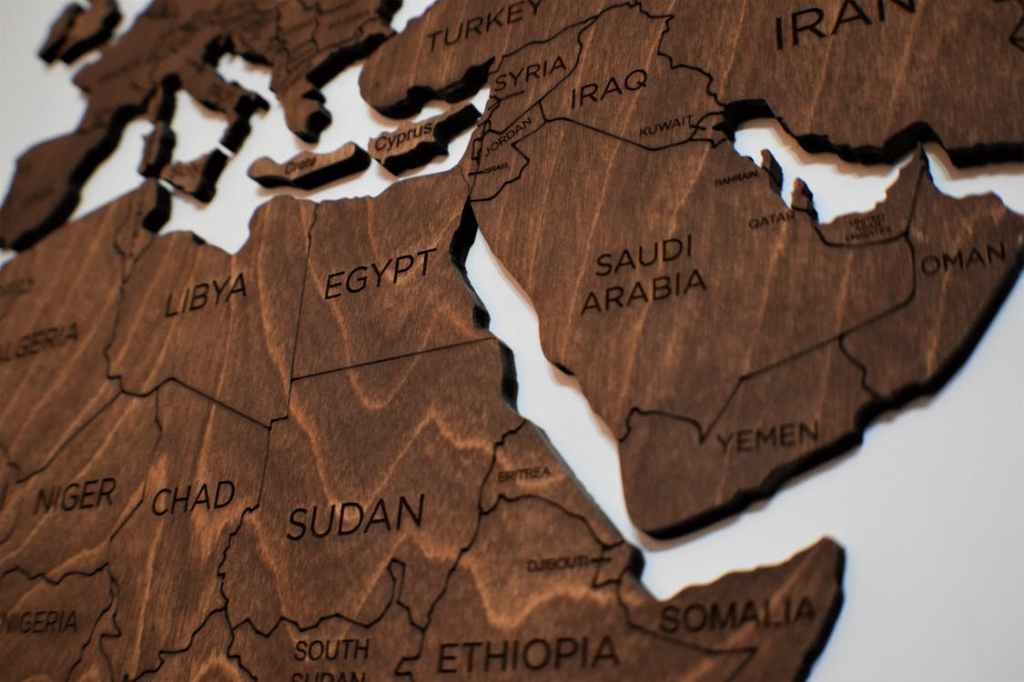
The international attention given to Sudan’s normalisation with Israel has shown the country’s importance as a geostrategic site subject to regional rivalries in the Horn of Africa. But increased regional pressure on Sudan is endangering its transition towards an inclusive, civilian government following the peaceful popular revolution that led to the ousting of long-ruling president Omar Al-Bashir on 11 April 2019. This article will describe how regional interference in Sudan could destabilise the transitional process, with a specific focus on the rivalry between the ‘Arab Troika’ and the Qatar-Turkey alliance
The Sudanese Revolution and Political Shifts
Following the ousting of Bashir in 2019, military and civilian leaders signed a power-sharing agreement which initiated a transition towards a democratic government, under the guidance of Prime Minister Abdalla Hamdok and Chairman of Sudan’s ruling Transitional Military Council, Lieutenant-General Abdel Fattah al-Burhan. This transition signified a shift in Sudan’s foreign policy
During Bashir’s 30-year rule, Sudan enjoyed close relationships with Turkey and Qatar. This included a deal between Turkey and Sudan that gave Ankara control over the Suakin Island in the Red Sea, a deal which has since been suspended. However, this did not prevent Bashir from moving closer to the UAE and Saudi Arabia from 2014 onwards, in the hopes of bettering relations with the US and securing financial gains from the Gulf. When the Qatar diplomatic crisis erupted in 2017, Bashir decided to remain neutral, a move that accelerated Sudan’s eventual economic collapse
Geostrategic Interests
When the revolution erupted in 2018, the Arab Troika (the UAE, Egypt and Saudi Arabia) saw its chance to gain a stronger foothold in Sudan while minimising the influence of its rivals Turkey and Qatar. It supported the demonstrators, but simultaneously sought to strengthen the position of generals who could push for their foreign policy interests and solidify their influence. The UAE and Saudi Arabia specifically supported Mohamed Hamdan Dagalo (otherwise known as ‘Hemedti’).
The rivalry between the two alliances is driven by geostrategic economic and military interests. Important are the Sudanese Red Sea coastline, which includes sizeable ports and oil-export facilities, and agricultural land. Companies from Saudi Arabia and UAE own much of the leased land in Sudan, which they use to produce food crops, alfalfa and biofuels, and which has added up to more than all of Sudan’s domestic agribusiness investors combined. Militarily, both the UAE and Turkey have used Sudan as a springboard for their war efforts in Libya
Normalisation with Israel
Part of the UAE’s strategy has been to include Sudan in its normalisation policy with Israel. The US, in its mob-like tactics, has linked normalisation with Sudan’s removal from the State Sponsor of Terrorism (SST) list. The first step to this was taken on 19 October, when the transitional government agreed to pay a sum of $335 million to American victims of Sudan’s past terrorist acts. This was followed on 23 October with the announcement that Sudan will move to normalise relations with Israel
Although normalisation could lead to increased economic opportunities, it also strengthens military actors and former Bashir regime figures in government. Herein lies the danger of increased tensions within the transitional government, as well as overall mistrust in the transitional process by protestors who had demanded a civilian government. The government is concerned that frustration among the Sudanese could lead to renewed protests and its eventual collapse
Political Islam
Sudan after the revolution shows a clear break with a radical form of Islamic rule associated with the corruption and suppression of Bashir. However, the marginalisation of Islamist movements without a distinction being made between those who supported the demonstrations and those who were part of the Bashir government, has led to frustration among Islamists and their supporters. Islamists have (though not exclusively) used normalisation as a rallying cry in their attempts to topple the government
Although the influence of Islamists is limited in post-Bashir Sudan, Turkey and Qatar, both long considered backers of Islamist movements (and opposed to the Arab Troika) could gain more ground if support for the transitional government decreases. After the ousting of Bashir, Turkey, in an attempt to regain some of the influence lost, met with Islamist loyalists and offered refuge to some members of the former government. The topic of political Islam has even reported to be a factor in the distribution of humanitarian aid during the massive floods, as Qatar and Turkey distributed to Islamic organisations in the peripheries that support their political agendas
Conflict in the Periphery
The regional rivalry between the Arab Troika on one side, and Turkey and Qatar on the other, also plays into Sudan’s already existing social grievances and territorial issues. In eastern Sudan, where protests erupted following opposition to the peace-deal signed between the government and eastern rebels, tribal clashes occurred in Kassala between the Beni Amer and Beja tribe, leading to several fatalities. While these clashes were caused by disagreement over the appointed governor, who has since been dismissed, it is also reported to be intensified by fears of intervention by both the Turkish alliance and Arab Gulf backers of the peace deal. Recently, the transitional authority has started pointing to the role of foreign interference in the eastern region bordering the Red Sea
Conclusion
The 2018 Sudanese revolution initiated a period of redefining Sudan’s social and political identity. The process has unfortunately not been free from external interference. This article has described only one of the regional power dynamics at play, showing how external rivalries have intensified instability in Sudan – and vice-versa – and are therefore undermining the transition towards a democratic government
Sudan faces pressing economic conditions, tensions between the military and civilian sides of the government, and more recently the threat of a humanitarian crisis in eastern Sudan following conflict in Ethiopia’s Tigray region. Nevertheless, removing Sudan from the SST list is an important step towards Sudan’s reintegration into the global arena. Hopefully it can lead to further international support for Sudan’s transitional process that does not compromise the demands of the revolution
A few additional notes to this article
This article presents a broad sketch of the Arab Troika – Turkey/Qatar regional rivalry in Sudan. With its modest size, is to be used as a springboard for further detailed analyses. Plenty of nuances are to be made, and I will note a few below
There are differences within each of the two alliances. Turkey and Qatar each know their own history vis-à-vis Sudan, as obviously do Egypt, UAE and Saudi Arabia. Within the Arab Troika, while the UAE supports Hemedti, Egypt has closer ties to al-Burhan
Also, the recent Ethiopia-Tigray conflict further emphasizes that while the UAE has close ties with Ethiopia, Egypt is embroiled in a tug of war with Ethiopia over influence in the Horn of Africa. This latter competition influences Sudan’s position in the negotiations on the Grand Renaissance Dam. For an elaborate study on Sudan’s position towards the Ethiopia-Tigray conflict, check this article published November 14, 2020, by Nizar Manek and Mohamed Kheir Omer in Foreign Policy: In Ethiopia’s Civil War, Sudan Will Decide the Outcome
For more on the UAE- Turkey rivalry in specific, see this recent article (October 25, 2020) by Andrew England, Laura Pitel and Simeon Kerr in Financial Times: UAE vs Turkey: the regional rivalries pitting MBZ against Erdogan
There are also many differences between Islamic movements/ parties within Sudan. For a more elaborate view on Islamists and the 2018 revolution see this report by Mohammad Affan and Rawan Hamoud (published July, 2020): Searching for A Second Chance: The Dilemma of The Islamists In Post-Bashir Sudan
Desiree tweets via @desicusters
 issabramil.com
أضف تعليق