
For English scroll down
طفولتي، الطوارق، موسيقى غرب إفريقيا
تعرفت عن الطوارق للمرة الأولى عندما كنت حوالي ست سنوات وسكنت في بوركينا فاسو في غرب أفريقيا. كل يوم جمعة كنا نرى نفس الرجل الطوارقي يمرّ على منزلنا على جَمله. حول المنزل كان هناك سور أصفر، فكنا نرى فقط الجزء العلوي من جسده ورأس الجمل يتمايلان فوق الجدران تجاه بوابة الدخول
كنا نخرج لنعطيه شيئاً ما ولنسمع منه أخبار الأسبوع. كوني طفلة صغيرة، كنت أنظر إلى أرجل الجمل الطويلة وادهش من اللون النيلي الأزرق للثام الرجل وجوهره اللامعة الجميلة. هناك، في بوركينا فاسو ومن خلال رحلاتي في المنطقة، بدأ حبي لمنطقة الساحل وإفريقيا الشمالية
لذا، كنت سعيدة جداً عندما دعاني تيري أونيل من قناة يوتوب أنفوزي بوارد غيمس لنلعب لعبة اسمها “طارقي”. خلال اللعب تحدثنا عن طفولتي، إفريقيا الشمالية، والطوارق، وموسيقى غرب أفريقيا، والأدب العربي. هذه المقالة تلخيص للفيديو الموجود أدناه
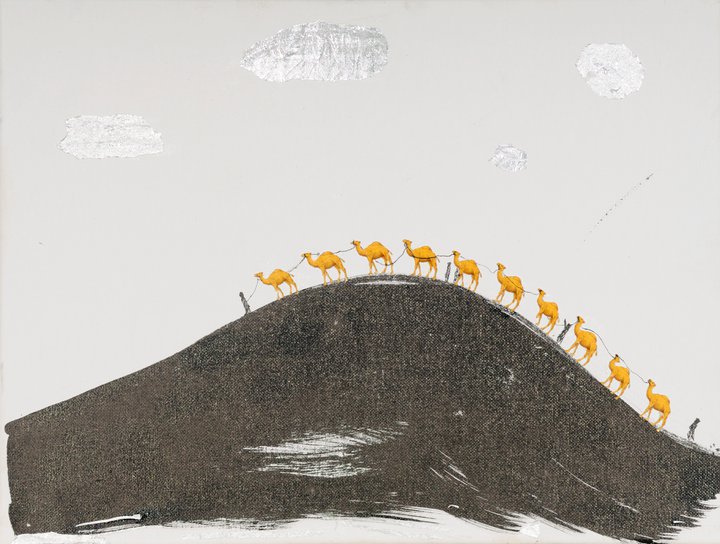
A caravan in the desert (my painting, 2011) / قافلة في الصحراء، لوحتي 2011
الطوارق
ثمة الكثير من الرومانسية عن الطوارق من قبل المستكشفين الأوروبيين، من بين أمور أخرى لانّ رجال الطوارق محجبون ولان المرأة في مجتمعات الطوارق تتمتع بحقوق كثيرة وحرية كبيرة. ولكن في آن واحد تمّ تصويرهم كسكان عنيفين في صحراء خطيرة ومهجورة
إذن، من هم الطوارق؟ الطوارق، أو الكل تماشق (بمعنى الناس الذين يتكلمون التماشق)، شعب أمازيغي يستوطن الصحراء الكبرى، خصوصاً الجزائر، ومالي، ونيجير، وليبيا، وبوركينا فاسو، وموريتانيا. لديهم لغتهم الخاصة: التماشق، ولكن الكثير منهم يتحدث أيضاً اللغة العربية والفرنسية
الأمازيغ أحدى مجموعات سكان الأصليين في القارة الافريقية بالإضافة إلى الأمازيغ هناك في منطقة الصحراء عشائر وقبائل عربية التي إستقرت في المنطقة منذ القرن السابع، واليهود (خصوصاً في المغرب وليبيا وايضاً في تمبكتو في مالي)، والسونغاي في مالي ونيجير وبينين، قبيلة الدوغون في جبال شمال مالي
الطوارق مرتبط بالأمازيغ في المغرب والجزائر، على سبيل المثال، ولغتهم التماشق هي إحدى اللغات الأمازيغية. الأبجدية الأمازيغية، التيفيناغ، واحدة من أقدم الحروف في القارة الأفريقية
تركيبة الطوارق الاجتماعية ونمط حياتهم
ثمة حوالي عشر إتحادات طوارقية مكونة من مجتمعات قبائل او عشائر. وهذه الاتحادات تحت قيادة “الأمنوكال” الذي يعينه مجموعة شيوخ القبائل. وفي هذه المجتمعات تلعب الطبقات الإجتماعية التقليدية دوراً مهماً. هناك طبقات مختلفة، مثل طبقة النبلاء (إماجغن) وطبقة الأتباع (الإيمغاد، وهم الذين على سبيل المثال يعتنون بالجمال) وطبقة العبود (الإكلان) وطبقة الحرفيين الذين يحتكرون الصناعات التقليدية مثل الفضة (الإينهضن)
وهذه الطبقة الأخيرة، الإينهضن، تقوم بصنع قلائد الطوارق (ايضاً التناغِلت أو التلخكيم). وهذه القلائد تنتمي بشكل عام إلى الطوارق في نيجير وتشير إلى قبيلة او منطقة معينة. هناك 21 نوعاً
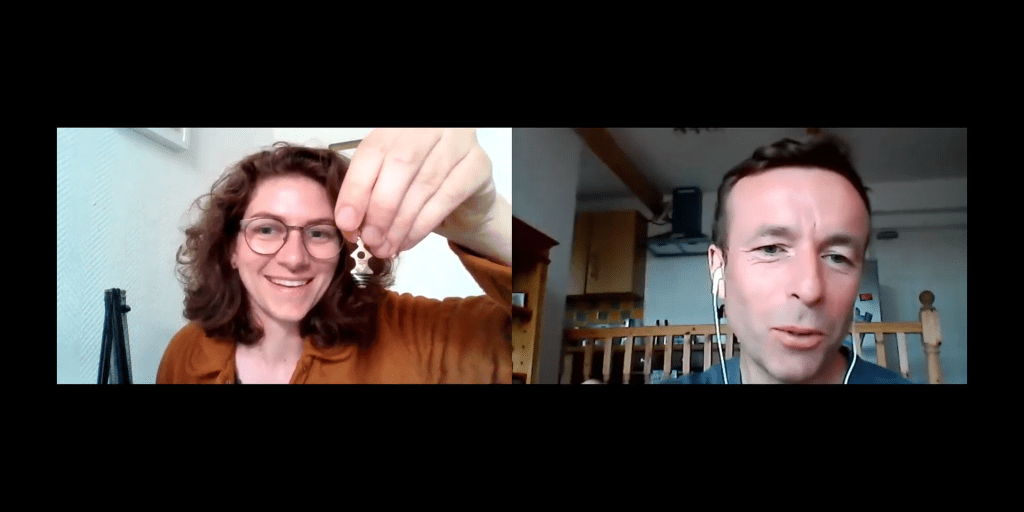
Example of a Tuareg tanaghilt (still from the video) / مثال لتناغلت الطوارق، من الفيديو على يوتوب
إستطاع الطوارق أن يعيشوا في ظروف الصحراء القاسية مع القليل من الماء والبرودة والحرارة الشديدة، جزئياً بسبب تركيبتهم الإجتماعية. ولكن هناك عدة عوامل تتحدى نمط حياة الطوارق التقليدي، من بينها إنشاء حدود الدول في غرب وشمال افريقيا، والتغيير المناخي (خصوصاً حالات الجفاف). علاوة على ذلك تمّ تهميش كثير من المجتمعات الطوارقية في بلدان غرب أفريقيا بعد الإستقلال، على سبيل المثال في شمال مالي
أعادت هذه التحديات ترتيب تركيبة الطوارق الإجتماعية. بينما انخفض تأثير النخب التقليدية، ظهرت نخب جديدة. ولكن احياناً يتكيف الدور التقليدي إلى السياق الجديد. فكثيراً ما تصبح طبقة الأتباع (الإيمغاد) التي كانت مسؤولة عن الجمال مسؤولة عن رعاية السيارات، على سبيل المثال
موسيقى غرب إفريقيا
كان الفنان الموسيقي علي فاركا توري من أوائل الموسيقيين من غرب افريقيا الذين تعرفت عليهم عندما كنت صغيرة جداً وهو أحد أهم الفنانين الذين روجوا لإستخدام الجيتار لعزف الموسيقى التقليدية وتطوير صوت جيل الفنانين الجديد
بدأ كثير من شباب الطوارق بعزف الجيتار منذ سبعينات القرن الماضي وإبتكروا أسلوباً خاصاً للموسيقى إسمه إشومار، وهي كلمة مشتقة من الكلمة الفرنسية “شومار” التي تعني عاطل عن الشغل. وعبّرت هذه الموسيقى عن حالة شباب الطوارق الاجتماعية والاقتصادية الصعبة الناتجة عن تهميشهم في كثير من بلدان غرب أفريقيا. وتتأمل الموسيقى ايضاً على هوية الطوارق في القرن الواحد والعشرين
مثير للإهتمام في هذا الصدد أن الغيتار ما كان مرتبطاً بأيّ طبقة اجتماعية، ولذا كانت هناك الإمكانية للكل أن يعزف موسيقى. تاريخياً كان فقط مسموح للنساء العزف على آلة الإمزاد وفي المناطق الجنوبية في غرب افريقا كانت الموسيقى والغناء محجوزة لراوي القصص أو الغريوت
أحد أشهر فرق موسيقى الإشومار الطوارقية هي تيناريوين (تعني هذه الكلمة في لغة التماشق: الصحاري)، ولديهم البوم رائع بالإسم “أمان إيمان” الذي يعني “الماء حياة”. ومن الجيل الجديد هناك فرقة مدو موكتار، تيراكافت، وبومبينو، وحضرت حفلتين موسيقيين لهذه الأخيرة
كنت ملهمة بهذا النوع من الموسيقى لدرجة إني التحقت بدورة في غيتار غرب أفريقيا في بروكسل، بلجيكا، ولكن للأسف توقفت بسبب وباء كورونا. هنا مثال متواضع لأغنية ملهمة من موسيقى الإسومار الطوارقي:
شاهدوا الفيديو على قناة أنفوزي بوارد غيمس تحت النص الإنكزيلي لمزيد من المعلومات ولتعرفوا مَن فاز في لعبة الطارقي، انا او تيري؟
تابعوا ديسيري على تويتر @desicusters
My childhood, the Tuareg, and West African Music
I first got to know about the Tuareg when I was about 6 years old and lived in Burkina Faso in West Africa. Every Friday, we would see the same Tuareg man pass our house on his camel. Our house was surrounded by a wall, so sitting on his camel we could see most of his upper body and the camel’s head bobbing towards our entrance gate
We would go outside of our gate to give the man something and hear his news of the week. Myself being a small child, I would look up the tall camel’s legs and be fascinated by the indigo-blue color of the man’s clothes and the beauty of the jewelry he wore. It was in Burkina Faso, and the trips that we made in the region, that my interest in the Sahel region and Northern Africa began
Thus, I was very happy when Terry O’Neill from the Unfuzzy Board Games YouTube Channel invited me to play a board game with a Tuareg theme called Targi. While playing the game we talked about Northern Africa, the Tuareg, West African music, and Arabic Literature. This blogpost is a summary of the video, which you can find below
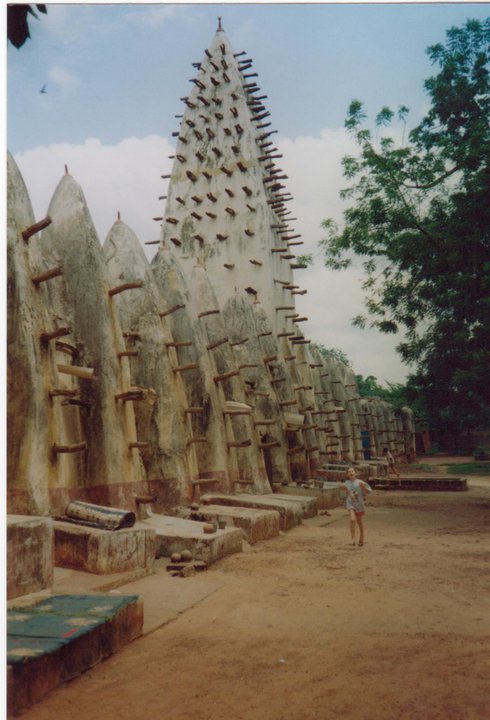
Me at a Sudano-Sahelian architecture style mosque in San, Mali in 2003 / انا والجامعة في سان، في مالي، في غرار العمارة السودانية الساحلية في السنة 2003
The Tuareg
The Tuareg have often been mystified and romanticised by European explorers, among others because it the men are veiled and the women in the Tuareg enjoy many rights and considerable freedom. But they have also been portrayed as violent inhabitants of a dangerous desert wasteland
So, who are the Tuareg? The Tuareg, or Kel Tamasheq (people who speak Tamasheq), are member of an Amazigh (Berber) people residing in the western and central Sahara. They mainly live in Algeria, Mali, Niger, and western Libya, but also in northern Burkina Faso and Mauritania. The Tuareg have their own language, Tamasheq, though many do speak Arabic and or French
The Amazigh are one of the original inhabitants of African continent. Other than the Amazigh, the Sahara region among others knows Arab clans and tribes, which settled in the region in the 7th century, Jews (especially in Morocco and Libya but also in Timbuktu, Mali), the Songhai in Mali, Niger and Benin, and the Dogon in the mountains of Northern Mali
The Tuareg are closely related to Amazigh in among others Morocco and Algeria, and their language is one variant of the Amazigh language. The Amazigh alphabet, the Tifnagh, is one of the oldest on the African continent, together with that of the old Egyptians and Ethiopians
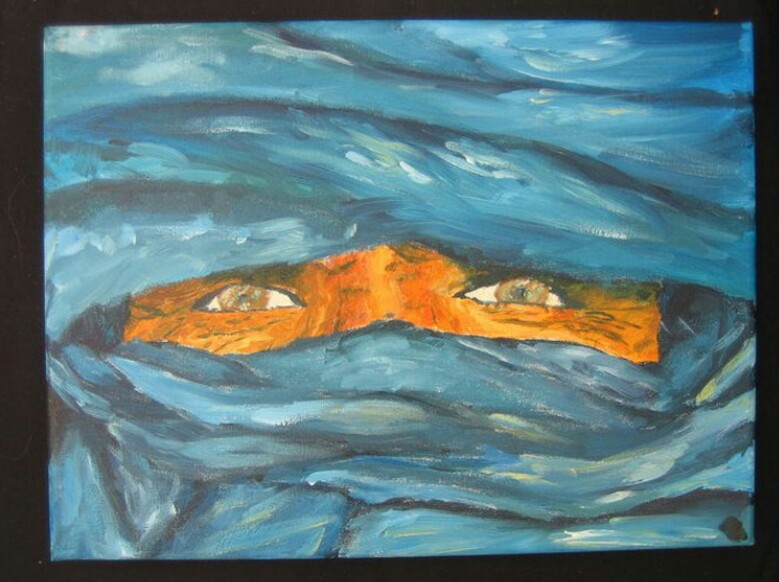
The Tuareg men are veiled (my painting, 2008) / رجال الطوارق يلبسون اللثام، لوحتي 2008
Tuareg social structure and lifestyle
The Tuareg are divided into approximately ten different clans and tribes, each headed by an Amenokal. Within the clans and tribes caste hierarchies play an important role. There are different castes: the nobles (imajeghen), the vassals (imghad, who work for the nobles for example by taking care of the camels), the slaves (iklan) and the silversmiths and the leather workers (inaden).
The silversmiths make the Tuareg ‘crosses’ (also a tanaghilt, a wearable/attachable metal, or talhakim, a decorative pendant). These are generally specific to the Tuareg of Niger and refer to a clan or region. There are 21 different tanaghilt
The Tuareg have long been able to survive in the harsh desert conditions, with little water and extreme heat/cold, partially because their clear social structure. Yet, the traditional Tuareg lifestyle has been challenged by several factors, including the creation of land borders in Western and Northern Africa, climate change (particularly drought) and city life. Many Tuareg have been socially and economically marginalized in post-independence Western Africa
These challenges have rearranged the social structure of the Tuareg. As the influence of the old elite decreased, new elites emerged. But sometimes, the traditional role is simple translated to the modern context. As such, the vassals who used to take care of the camels, now often take care of (Toyota) cars

Example of a Tuareg tanaghilt (still from the video) / مثال لتناغلت الطوارق، من الفيديو على يوتوب
West African Music
One of the first West African music artists I got to know when I was very young was Ali Farka Touré. Touré was one of the key artists in Western Africa to popularize using the acoustic and electric guitar to play traditional music, but also in the creation of an own sound by a new generation of artists
Many young Tuareg picked up the guitar from the 1970s onward and created an own style of music called Ishumar (derived from the French chômeur meaning unemployed). This music gave expression to the difficult socio-economic conditions many young Tuareg, especially men, faced due to their marginalization in many of the countries they lived in. The music also reflects on the identity of the Tuareg in the 21st century
Interesting in this respect is that the guitar was not linked to any social caste or status, and thus opened the possibility for everybody to make music. Traditionally, for example, only the Tuareg women were allowed to play the Imzad instrument and in the southern West African regions, making music and signing was reserved for the griots
Examples of bands making ishumar most famously music include Tinariwen, which I read means something like ‘boys of the desert’ (they have the amazing cd Imidiwan (‘friends’)). From the new generation of Tuareg music examples include M’dou Moctar, Terakaft, and Bombino, who I saw perform twice
I was so inspired by this style of music that I took a course in West African guitar in Brussels. But unfortunately, the pandemic happened. Here is a modest example of a song I wrote inspired by Tuareg music
Watch the Unfuzzy Games’ video to learn more and to find out if Terry or I wins this game of Targi!:
Desiree tweets via @desicusters
 issabramil.com
You are so talented!! love the paintings and the music you made !!
إعجابإعجاب