

For English please scroll down
العلاقة بين الشعبين العربي والأوروبي
ملاحظات على “الحوار II” الدورة التدريبية الصيفية حول العلاقات الأوروبية – العربية
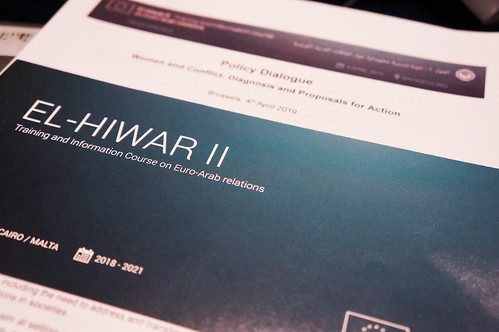
بصفتي شريكة الأبحاث في برنامج الشرق الأوسط وشمال إفريقيا لدى مركز ستيمسون، شاركتُ في الدورة الصيفية “الحوار 2”، التي نظمتها كلية أوروبا في بلجيكا بتمويل الاتحاد الأوروبي. جمعت الدورة الصيفية، التي عُقدت اونلاين، عشرين مشاركاً من الشباب الأوروبيين والعرب من مختلف الخلفيات مثال المجتمع المدني، والحكومات، والمؤسسات، ومجال الفنّ، الذين تابعوا محاضرات وورشات معاً لمدة اسبوع
ركّزت الدورة الصيفية على التبادل الأوروبي – العربي على مستوى الشعبين، وناقشت مواضيع مختلفة مثل العلاقة العربية – الأوروبية، والهجرة، والشباب وقدمت أيضاً ورشات عن كيفية جمع التبرعات ومهارات التواصل بين الثقافات. هذه المقالة هي تأمُّل في الدورة الصيفية “الحوار II”، وعلى وجه الدقة على موضوع كيف تمّ إجراء التبادل بين الشعبين الأوروبي والعربي في سياق العلاقات العربية – الأوروبية العامة وما هي امكانياتها المحتملة في المستقبل
العلاقات بين الشعبين الأوروبي والعربي باختصار
مفهوم “العلاقات بين شعبين” يضمن التواصل بين مواطنين عاديين من دول أو مناطق مختلفة. ويمكن أن تتمّ في مجالات مختلفة مثل الثقافة، والرياضة، والسياحة، والتعليم، والمجتمع المدني، والأبحاث، والإقتصاد. هذه العلاقات عنصر مهم لبناء شبكات تواصل عابرة للحدود وزيادة التفاهم المتبادل، وأيضاً ممكن أن يكون لهذه العلاقات تأثير سياسي
تمّ إجراء هذه العلاقات في سياق أوسع للعلاقات العربية – الأوروبية، ويُقصد بذلك هنا العلاقة بين الإتحاد الأوروبي والدول والمؤسسات في العالم العربي. ولكن التبادل بين الشعبين في كثير من الأحيان أداة سياسية ناعمة ثانوية، وبشكل عام كانت الأولوية في المراحل المختلفة من العلاقات العربية – الأوروبية للموضوعات السياسية والاقتصادية
المرحلة الأولى للعلاقات الأوروبية – العربية كان الحوار “الأوروبي – العربي” (من 1973 إلى 1989) الذي استند إلى ركنين أساسيّين، وهما السياسة والاقتصاد، بالإضافة إلى موضوع الطاقة والقضية الفلسطينية. “السياسة المتوسطية” المتابعة (من 1990 إلى 1996) قدّمت عناصر جديدة إلى العلاقات الأوروبية – العربية مثل التبادل بين الشعبين من خلال مبادرات لامركزية. واستمر التركيز على السياسة والإقتصاد وموضوع الأمن بالإضافة إلى الحوار بين الثقافات بعد مبادرة “المشاركة الأورومتوسّطي”، أو مسار برشلونة، الذي إنطلق السنة 1995
بعد تأسيس “سياسة الجوار الأوروبية” في العام 2004، انخفضت أهمية موضوع التواصل بين الثقافات وتمّ النظر إلى العلاقات العربية – الأوروبية بشكل متزايد عبر المفهوم الأمني، خصوصاً بعد الهجمات الإرهابية في مدريد (2004) ولندن (2005) وزيادة تدفق الهجرة غير القانونية إلى الإتحاد الأوروبي. في 2015، على سبيل المثال، وقَّع الاتحاد الأوروبي والجامعة العربية خلال حوار استراتيجي مذكرة تفاهم حول قضايا أمنية وسياسية، وأعقبه أول قمّة بين الاتحاد الأوروبي والجامعة العربية في السنة 2019، التي أكدت ايضاً على التعاون في المجالات الأمنية والتحديات المشتركة مثل مكافحة الإرهاب، والهجرة غير القانونية، والتعصب الثقافي والديني، والتطرف، والصور النمطية المتبادلة
تلخيصاً، المبادرات الأوروبية – العربية المذكورة أعلاه طبقت التبادل بين الشعبين إلى درجات مختلفة. ولكن بشكل عام، كان تركيز العلاقات العربية – الأوروبية على مواضيع سياسية واقتصادية. منذ بداية هذا القرن، أصبحت العلاقات أمنيّة بشكل متزايد وهناك إفراغ تدريجي للحوار الثقافي بين أوروبا والعالم العربي
العلاقة بين الشعبين الأوروبي والعربي: ما هو المطلوب
قُدمت عدة أفكار خلال الدورة الصيفية بما يخصّ تطبيق مشاريع التبادل بين الشعبين الأوروبي والعربي. أولاً، اُعتبِر مجال الحوار بين الشعبين الأوروبي والعربي في كلا المنطقتين ساحة لإظهار “أفضل ما عندنا “، بينما لا يوجد تصوّر عن “أسوأ ما عندنا”. اُستخدِمت مبادرات التبادل بين الشعبين من قبل المنطقتين لإظهار انفتاح أحدهما تجاه الآخر، ولكن هذه الفكرة انهارت عندما ظهرت واقعية هذه المجتمعات. ومتعلق بذلك، كثيراً ما يُوصف الحوار بين الشعبين بأنه نخبويّ ويتضمن المشاركة المتكررة لنفس نمط الأشخاص من المنطقتين الذين يكونون بالأساس منفتحين على بعضهم البعض
بالإضافة إلى ذلك، ذُكِر في الدورة الصيفية إن الحوار الأوروبي – العربي كثيراً ما يكون تفاعلياً وتمّ إجراءه من وجهة نظر أوروبية. لذا، فيركّز الحوار في الغالب على مواضيع أمنية ومواضيع تمّ تحديدها عبر “مقاربة استشراقية” (ايّ: النساء والدين). والناقص في هذه الحوارات هو مواضيع ذات التواصل الثقافي الشمولي (بما في ذلك الثقافة الشعبية، والهوية، والدين)، ومعالجة التصورات السلبية المتبادلة القائمة، والتمييز المتعدد المتداخل
ثالثاً، ثمة عقبة مهمة حول التبادل بين الشعبين بما يخصّ إمكانية تنقل شعوب المنطقتين. على سبيل المثال عدم التوازن في تطبيق البرامج التعليمية، فبينما يسافر الناس من العالم العربي إلى أوروبا من أجل الدراسة، فالعاكس قلما يحدث. في نفس الوقت، فمن الصعب للناس العاديين من العالم العربي أن يسافروا إلى أوروبا للسياحة أو للزيارة بيما يكون في كثير من الأحيان سهل للأوروبيين أن يزوروا دول العالم العربي
بناءً على هذه الملاحظات فإن التوصيات التالية قد تُساعِد في تشكيل التبادل بين الشعبين الأوروبي والعربي في المستقبل:
- تعزيز حوارات أوروبية – عربية أقلّ نخبوية من خلال إشراك نطاق أوسع من المنظمات، والمؤسسات، والمواطنين العاديين من الأوروبيين والعرب
- عدم تركيز الحوار الأوروبي – العربي على الأمن وذلك بإدراج مواضيع ذات تواصل ثقافي شمولي ونقاشات حول التصورات السلبية المتبادلة
- تطبيق العلاقات بين الشعبين بعيداً عن المركزية الأوروبية وتجاه شراكة أوروبية – عربية متساوية
- إدراج الصحفيين والأشخاص المؤثرين في السوشيال ميديا في حوارات بين الشعبين وتدريب اعلامي عن كيفية تجنّب التصور السلبي المتبادل
- إستخدام العلاقات بين الشعبين لتشجيع جهود مشتركة (مثل جهود الإصلاح وأفلام وثائقية مشتركة) التي تسد الفجوة بين المنطقتين
- إستخدام مشاريع التبادل بين الشعبين لزيادة إمكانيات التنقل من وإلى المنطقتين
استنتاج: العلاقات بين الشعبين وعملي في مركز ستيمسون
كما أشرت في هذه المقالة، فهناك تاريخ طويل للعلاقات السياسية والاقتصادية بين أوروبا والعالم العربي، ولكن التبادل بين الشعبين ظلَ مجالاً لم يستكشف بشكل كاف. وخلال الدورة الصيفية “الحوار II” اتضحت الحاجة إلى تعاون أقوى بين الاتحاد الأوروبي والعالم العربي بالنسبة لقضايا ومجلات ذات اهتمام مشترك مثل البيئة، والاقتصادات المستدامة، والهجرة، والجندر، والتعليم، والشباب، وتنمية روح المبادرة والأعمال الحرّة. بينما لم تُستكشف هذه الاهتمامات المشتركة بشكل كاف، فالتبادل بين الشعبين قد يساعد في تشكيل سياسات جديدة ذات فاعلية، خصوصاً من خلال إدراج الشباب، والجاليات العربية في أوروبا والأوروبية في العالم العربي، ومواطنين مزدوجي الجنسية
وكانت الدورة الصيفية بحد ذاتها مثالاً لحوار شامل بين الشعبين لأنها جمعت شبابا من خلفيات مختلفة وسلّطت الضوء على القضايا المذكورة أعلاه. كل واحد منا سيأخذ هذه المعلومات القيمة إلى مكان عملنا، حيث نركّز على العلاقات الأوروبية – العربية. بالنسبة لمركز ستيمسون، حيث أعمل مساعِدة الأبحاث في برنامج الشرق الأوسط وشمال إفريقيا، فالتبادل بين الشعبين هو عنصر مهم في مشروع الحوار السعودي الإيراني و العراق وجيرانه. مع هذه الخبرة، بالإضافة إلى علاقات ستيمسون أوروبا (وهو مقر مركز ستيمسون في بروكسل، بينما المقر الرئيسي في واشنطن)، إذ يتمتع مركز بروكسل موقف جيد لاستكشاف إمكانيات تنفيذ مشاريع تبادل بين الشعبين الأوروبي والعربي في المستقبل.
صدرت هذه المقالة أولاً باللغة الإنكليزية على موقع مركز ستيمسون
فيديو أتحدث فيه عن تجربتي في الدورة الصيفية. مصدر: شارك الناطق الرسمي للاتحاد الأوروبي لمنطقة الشرق الأوسط وشمال إفريقيا هذا الفيديو على تويتر / source: tweet originally shared by EU Arabic Spokesperson for the Middle East and North Africa Luis Miguel Bueno (@EUinArabic) on 9 August 2021.
Euro-Arab people-to-people Relations
A field note from the El-Hiwar II Summer School
In my role as a Research Associate with Stimson Center’s Middle East and North Africa program, I recently took part in the El-Hiwar II Summer School which was organized by the College of Europe and funded by the European Union (EU). The Summer School, which was held online, brought together 20 young participants from Europe and the Arab region from different professional backgrounds, including civil society, governments, institutions, and the arts scene, who engaged in a five-day program of lectures and workshops
The focus of the Summer School was on Euro-Arab people-to-people (p2p) exchange, and discussed topics such as Euro-Arab relations, migration, and youth, and provided workshops on among others fundraising and intercultural skills. This field note is a reflection on the El-Hiwar II Summer School, specifically the topic of how Euro-Arab p2p exchange has been conducted in the context of Euro-Arab relations and what their potential is for the future
Euro-Arab p2p relations in a nutshell
P2p relations entail interaction between normal citizens from different regions or countries and can take place in a wide range of fields such as culture, sport, tourism, education, civil society, research, and economy. They are an important element in building cross-regional networks and increasing mutual understanding, and can have a political influence
Euro-Arab p2p exchange have been undertaken in the larger framework of Euro-Arab relations, with which this field note means relations between the EU and countries and institutions in the Arab region. Yet p2p exchange has often been considered a secondary soft politics tool, and the different phases of Euro-Arab relations have generally prioritized economic and security issues
The first phase of Euro-Arab relations, the Euro-Arab Dialogue (from 1973 to 1989), for example, focused on economic, financial, and energy topics as well as the Palestinian question. The following Mediterranean Policy (from 1990 to 1996) introduced new elements to Euro-Arab relations, such as p2p exchange through decentralized initiatives, while the 1995 Euro-Mediterranean Partnership (EMP), or Barcelona Process, continued the focus on political, economic, and security topics in addition to intercultural dialogue
After the European Neighborhood Policy (ENP) came into being in 2004, interculturality decreased in importance and Euro-Arab relations were increasingly seen through a security paradigm, especially following the terrorist attacks in Madrid (2004) and London (2005) and the increasing irregular migration flows to the EU. A 2015 strategic dialogue between the EU and Arab League, for example, saw the signing of a Memorandum of Understanding focused on political and security matters, followed by the first EU-Arab League summit in 2019 which emphasized cooperation on security matters and common challenges such as migration, cultural and religious intolerance, extremism, and stereotyping
To summarize, the different Euro-Arab initiatives mentioned above have to a more or lesser extent implemented p2p exchange. However, the focus of Euro-Arab relations has largely been on economic and political topics. Since the turn of the century, relations have increasingly become securitized and there has been a progressive hollowing out of intercultural Euro-Arab p2p dialogue

صورة للمشاركين في الدورة الصيفية / participants of the Summer School
Euro-Arab p2p Relations: what is needed
Several insights were shared during the Summer School when it comes to the implementation of Euro-Arab p2p projects. First, the field of Euro-Arab p2p dialogue has been considered by both regions as an arena to “show the best of us”, while there was no real picture of “the worst of us”. P2p initiatives were used to show how tolerant and open to the other each region was, but that idea imploded when reality kicked in. Linked to this is the fact that p2p dialogue was described to be elitist and often included the repeated participation of the same category of people from both regions, people who are often already open to one another
Furthermore, Euro-Arab dialogue was mentioned to be mainly reactive and conducted from a Eurocentric point of view. As such, it has mostly focused on security issues and topics determined through an “orientalist approach” (often women and religion). Missing have been topics of inclusive interculturality (including those of popular culture, identity, and religion) and addressing long-existing mutual negative perceptions and intersectional discrimination
Third, there is an important hurdle to p2p exchange when it comes to the mobility of people in both regions. One example is an imbalance in the implementation of educational programs. While people from the Arab region go to Europe to follow their education, the other way around is not often the case. Yet at the same time, it is very difficult for ordinary people from the Arab region to travel to Europe for tourism or other types of visits, while Europeans can often easily visit countries in the Arab region
Based on these insights, the following recommendations could help shape Euro-Arab p2p exchange in the future
One: The promotion of less elitist Euro-Arab p2p dialogues through engaging a wider scope of organizations, institutions, and people from Europe and the Arab region
Two: A de-securitization of Euro-Arab p2p dialogue by including topics of inclusive interculturality and discussions on negative mutual perceptions
Three: The implementation of p2p relations away from a Euro-centric approach and towards an equal Euro-Arab partnership
Four: The inclusion of journalists and social media influencers in p2p dialogues and media training on avoiding mutual negative portrayals
Five: The use of p2p relations to encourage joint efforts (such as restoration efforts or joint documentaries) that bridge the gap between the two regions
Six: The use of p2p projects to increase mobility to and from both regions
Conclusion: Euro-Arab p2p relations and the Stimson Center
As this fieldnote shows, there has been a long history of political and economic Euro-Arab relations, but p2p exchange has remained an underexplored domain. It became clear during the El-Hiwar II Summer School that there is a need for stronger EU-Arab cooperation on common areas of concern such as the environment, sustainable economies, migration, gender, education, youth, and the development of entrepreneurship. As these common priorities have not yet been explored enough, p2p exchange can help shape new and effective policies, especially by including the younger populations, diasporas, and binational citizens
The Summer School in itself was already an example of how inclusive p2p dialogue can be conducted, with young participants from different backgrounds meeting, and bringing to light and discussing the topics mentioned above. Each of us will take this valuable information to our workplace, where many of us deal with Euro-Arab relations. As for the Stimson Center, the Middle East and North Africa program has been aware of the value of p2p dialogue and has conducted p2p exchange between Saudi’s and Iranians in its Iran – Saudi dialogue. It has also included a p2p component in its work in Iraq and its neighbors. With this background, in addition to Stimson Europe’s (Stimson Center’s Brussels office) close ties to the Brussels community, it is in good position to investigate options for implementing a Euro-Arab or Euro-MENA p2p dialogue projects in the future
This fieldnote was originally published on the Stimson Center website
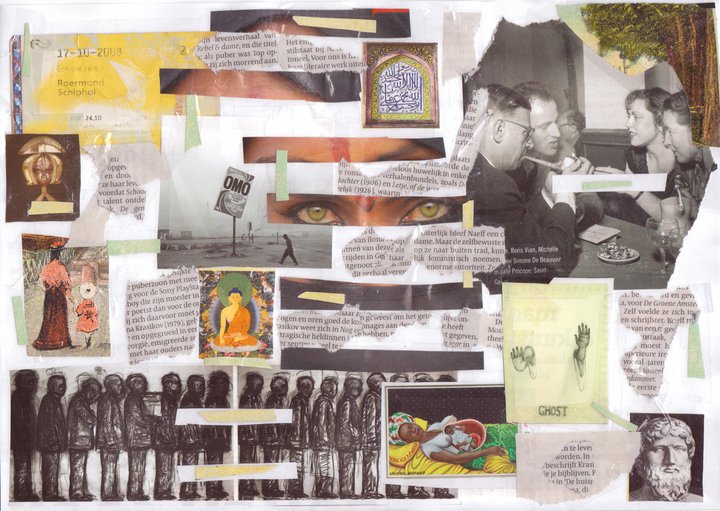
كولاج من يدس يتأمل على التواصل الثقافي والإنساني في العالم / Collage reflecting on cultral and human interaction: own creation
 issabramil.com
…
إعجابإعجاب