عزيزتي ويني: مسرحية تتأمل في المصالحة
For English please scroll down
نهاية شهر يناير في بروكسل في السنة 2022. ليلة باردة وماطرة، ولكنني سعيدة لأنني على وشك مشاهدة مسرحية “عزيزتي ويني“. تمثل في هذه المسرحية تسع نساء سوداوات من خلفيات مختلفة اللواتي يروين قصة الناشطة الشجاعة ويني ماديكيزيلا مانديلا
ويني، التي يرى فيها العديد من مواطني جنوب أفريقيا على أنها “أم الأمة” ، شخصية مثيرة للجدل. كانت هي أحدى أبطال وقادة النضال ضد سياسة الفصل العنصري (نظام الأبارتهايد) في جنوب أفريقيا. ولكنها اتهمت ايضاً بالتورط بالعنف والفساد، خصوصاً بسبب تورطها المزعوم بجرائم حراسها الشخصيين وهم مجموعة من الشباب سموا أنفسهم نادي مانديلا لكرة القدم، مما شوه سمعة ويني داخل جنوب أفريقيا وخارجها
بعد إنتهاء نظام الأبارتهايد في التسعينات، مثلَت ويني أمام لجنة الحقيقة والمصالحة لجنوب أفريقيا في السنة 1998، برئاسة الراحل الأسقف ديزموند توتو، الذي ناشدها أن تعتذر، من بين أمور أخرى عن ما يُزعَم أنها أمرت نادي مانديلا لكرة القدم بقتل ستومبي سيبي. كانت ويني عضو المؤتمر الوطني الأفريقي الوحيدة التي مثلت أمام لجنة الحقيقة والمصالحة
بدأت المسرحية بممثلتين اللتين مثلتا جلسة هذه اللجنة، حيث قال الأسقف توتو لويني: “أنت إنسانة عظيمة ولا تعرفين كم ستعزز عظمتك إذا قلتِ: اعتذر، الأمور سارت بشكل خاطئ. سامحوني أرجوكم .” و تلتها ممثلة أخرى مثلت رد فعل ويني، بعد سنوات طويلة، على ما قاله الأسقف توتو: “كنت اغلي غضباً “، قالت
اعترفت ويني بأن “الأمور سارت بشكل خاطئ”، وفي تقريرها النهائي قضت اللجنة أن ويني كانت مسؤولة سياسياً وأخلاقياً عن الجرائم التي ارتكبها نادي مانديلا لكرة القدم. العرض الإفتتاحي للمسرحية “عزيزتي ويني” يتأمل ويعكس تأثير لجنة الحقيقة والمصالحة وانجازها كهيئة للعدالة التصالحية
Trailer for the play Dear Winnie/ مقطورة مسرحية عزيزي ويني
الحقيقة والمصالحة في جنوب افريقيا
أحد مخرجي المسرحية، يونيور مثمبيني، قال في مقابلة على الإذاعة البلجيكية، إن عملية التصالح، رغم حسن نيتها ، كانت في عجلة أكثر مما ينبغي. فذكر على سبيل المثال رجال الشرطة الذين اعترفوا، وهم يبتسمون، بقتل أطفال لكي ينالوا العفو (الأمنيستي). هذا لم يساعد ضحايا القتل. يتطلب الأمر وقتاً وجهداً أكثر للتسامح ومعالجة الصدمة الناتجة من نظام الأبارتهايد وذكر ايضاً إن لجنة الحقيقة والمصالحة لم تعالج المشاكل الاجتماعية والاقتصادية في جنوب افريقيا
إحدى الممثلات من جنوب افريقيا، توتو بواني، كتبت: عندما إنتهى نظام الأبارتهايد في السنة 1994، تغير القليل مما على الورق (…) البلد كلها كانت ما تزال تنتمي إلى الذين سيطروا عليها في فترة نظام الأبارتهايد، وهم الأشخاص الذين سرقوا البلد منا. لذا، ظلَت الجرائم. وظل القتل. لم تعالج جنوب افريقيا الصدمة، ولذا استمرت في التسرب
المصالحة البطيئة في كندا
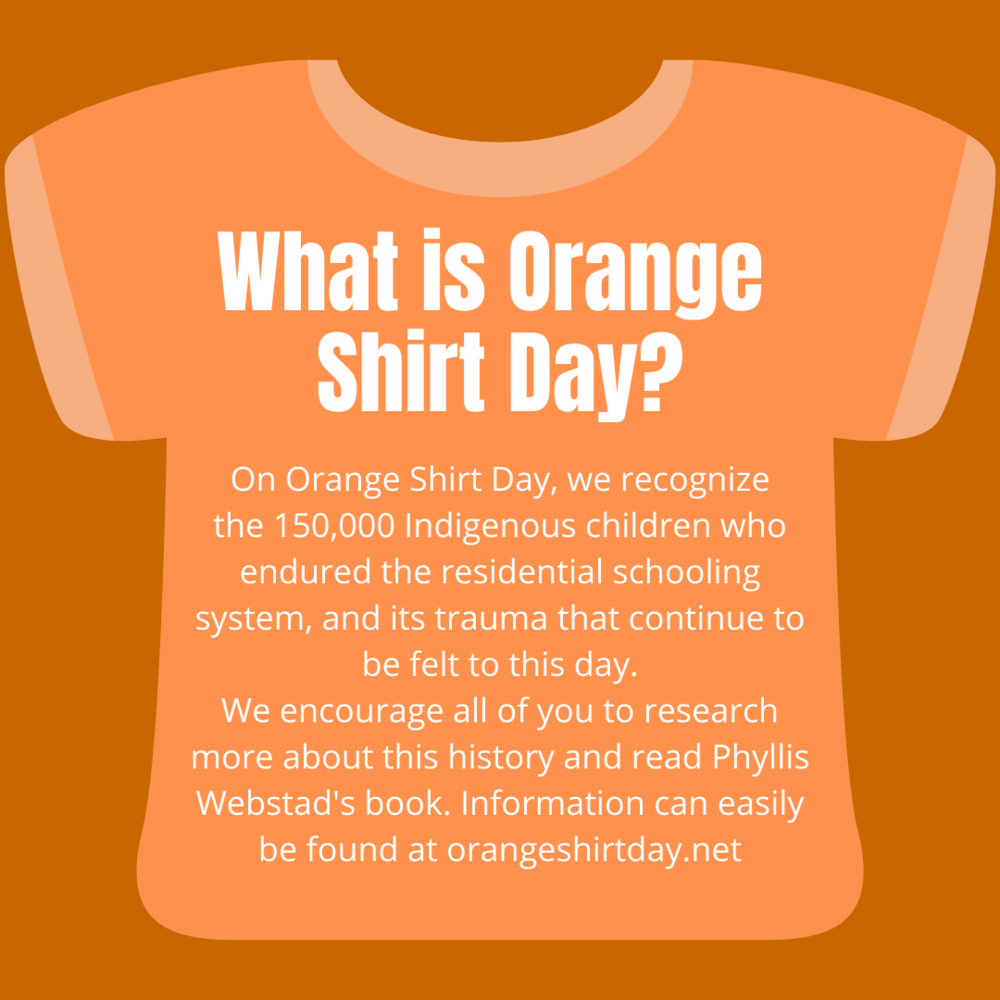
المسائل التي تطرحها المسرحية حول معنى المصالحة، هي بالطبع ذات صلة خارج حدود جنوب أفريقيا. تزامنت زيارتي إلى كندا في الصيف الماضي مع يوم القميص البرتقالي في 30 سبتمبر. هذا اليوم، يسمى ايضاً اليوم الوطني للحقيقة والمصالحة، يوم تذكاري بادر به السكان الأصليين في كندا للتفكير في الأطفال المفقودين والناجين المدارس الداخلية وعائلاتهم ومجتمعاتهم و تكريمهم وهكذا أصبح من الواضح جداً لي مدى أهمية موضوع الاعتراف، والتعويض، والمصالحة، والمحاسبة بالنسبة لسكان كندا الأصليين
كان هناك في كندا ايضاً لجنة للحقيقة والمصالحة (من السنة 2008 إلى 2015) التي وثقت الآثار المستدامة لنظام المدارس السكنية الهندية، وهي شبكة من المدارس الداخلية للسكان الأصليين لغرض عزل الأطفال عن تأثير ثقافتهم واستيعابهم في الثقافة الكندية المهيمنة. وأصدرت اللجنة تقريرها النهائي الذي رفعت فيه 94 توصية للتعويض عن الإساءة التي لحقت بالسكان الأصليين. ولكن في تقرير نشر حديثاً، ذُكر إن تمّ تنفيذ فقط 11 من هذه التوصيات، بينما لا يزال يتمّ اكتشاف مقابر مجهولة لهذه المدارس الداخلية
علاوة على ذلك، توصف بعض إجراءات المصالحة بأنها أدائية لتخدم سمعة كندا، ويذكر التقرير المذكور أعلاه إنه لا يزال هناك أنظمة سارية تضر السكان الأصليين. ويذكر ايضاً: أن هناك حاجة لتغيير وتحول حقيقي وهادف لأنظمة القمع الكامنة، وليس فقط الإصلاحات الفردية لأطراف آلة استعمارية مكسرة
نقاشات مستمرة في هولندا وبلجيكا
والمواضيع هذه ايضاً مهمة لهولندا وبلجيكا، حيث سيعرض “عزيزتي ويني” في المسارح. مختلطة في قصة المسرحية توجد تعليقات على المناخ السياسي والاجتماعي، خصوصاً العنصرية، في البلدين. إحدى الممثلات غنت أغنية لاحتفال تقليدي هولندي وبلجيكي للأطفال اسمه سانت نيكولاس، الذي كل سنة في شهر ديسمبر يُحضِر هدايا للأطفال مع مساعديه بوجوههم السوداء، والذين يطلق عليهم جميعاً إسم ‘بيت الأسود’. ولكن أنهت الممثلة الأغنية بالجملة: “تباً لك يا سانت نيكولاس”، وبذلك علقت على النقاش المستمر حول عنصرية هذا الإحتفال في هولندا وبلجيكا
والنقاش حول ‘بيت الأسود’ يجري في إطار تصفية حساب مع العبودية والتاريخ الإستعماري في البلدين. في هولندا السؤال ما إذا على الحكومة الإعتذار لدور الهولنديين في تجارة الرقيق ايضاً موضوعاً للنقاش. شهدت البلاد زيادة في إصدار منشورات، وكتب، وبحوث توثق تجار الرقيق الهولنديين مما أدى إلى زيادة الوعي والفهم العام حول الموضوع. في تقرير استشاري للجنة تبحث في تاريخ هولندا في العبودية، الذي صدر العام الماضي، رُفعت عدة توصيات، على سبيل المثال اعتذار حكومي عن دور هولندا في تجارة الرقيق ولكنه لم ينصح بالتعويض مع ذلك، لم تعتذر الحكومة الهولندية لحد الآن
المصالحة والفرد
“عزيزتي ويني” جعلتني أفكر في ما هو المطلوب لتحقيق العدالة التصالحية والمصالحة، سواء في جنوب أفريقيا أو في ايّ مكان آخر. الأمثلة من كندا وهولندا تظهر إن السياسة كثيراً ما تعقد البحث والحصول على العدالة التصالحية. دعت المسرحية المتفرج للمشاركة في البحث عن هذه العدالة والمساواة. وقد يكون هذا الجواب على كيف يمكن معالجة نواقص لجان الحقيقة والمصالحة: المشاركة العامة
كانت ويني بالنسبة للكثيرين رمزاً لمكافحة الظلم. ورغم تشوه سمعتها، فقد صورتها المسرحية ليس فقط كأحدى بطلات النضال ضد نظام الأبارتهايد بل أيضاً كأمّ، وزوجة، وإنسان ذات مخاوف، وندم، وأمل وهذا التصور جعل من ويني شخصية ممكن نتوحد معها وممكن أن تلهمنا للاستمرار في كفاحها من أجل المساواة في وقتنا الحاضر وعلى طريقتنا الخاصة
تابعوا ديزيري على تويتر @desicusters
Dear Winnie, a play reflecting on reconciliation
It is the end of January, 2022. Another rainy evening in Brussels, but I am happy because I am about to see the play “Dear Winnie”. Acted by nine black women from different backgrounds, the play centers on the courageous activist Winnie Madikizela-Mandela
Winnie, seen by many South Africans as “mother of the nation”, is a controversial figure. She was one of the heros and leaders of the anti-apartheid struggle in South Africa. But Winnie was also accused of being associated with violence and corruption, not least because of her association with crimes of her personal bodyguards, the Mandela Football Club (MFC). This tarnished her image both within and outside the country
After apartheid ended in the 1990s, Winnie appeared before the Truth and Reconciliation Commission (TRC) in 1998, where late Archbishop Desmond Tutu, Chairman of the Commission, pleaded for her to apologize, among others for the alleged order to the MFC to kill Stompie Seipei. Winnie was the only member of the African National Congress (ANC) who was put in front of the Truth and Reconciliation Commission
The play started with two actresses enacting the hearing, where Bishop Tutu said to Winnie: “You are a great person, and you don’t know how much your greatness would be enhanced if you’d say, ‘Sorry, things went wrong. Forgive me. I beg you.’” This was followed by one actress enacting Winnie’s expression, years later, of what she felt in that moment: “I was seething with rage,” she said
Winnie acknowledged that some things went horribly wrong. The final report of the TRC, issued in 1998, found that Winnie was politically and morally accountable for the crimes committed by the Mandela United Football Club. The opening act reflects on the effect and achievement of the TRC as a body of restorative justice
Winnie and Tutu in the TRC and Winnie’s reaction / ويني وتوتو في اللجنة، ورد فعل ويني
Truth and Reconciliation in South Africa
One of the directors of the play, Junior Mthombeni, in an interview for the Belgian radio, said that the process of reconciliation, despite having the right intentions, went too fast. He mentioned the example of policemen who, while smiling, confessed to the murder of children, to receive amnesty. This did not aid the victims of the murder. It requires much more time, effort, and dialogue to forgive and to process the trauma. He also mentioned that the TRC did not address the socio-economic issues in South Africa
One of the South African actresses in the play, Tutu Puoane, writes: “When apartheid ended in 1994, little changed other than on paper (…) all of the country still belonged to the people who controlled it during the time of apartheid – the people who had stolen the country from us. Thus, crime remained. Murders were still committed. South Africa did not process the trauma, so it continued to seep out
Slow Reconciliation in Canada
The questions the play poses about what reconciliation means are of course relevant beyond the borders of South Africa. My recent visit to Canada coincided with Orange Shirt Day on September 30. This day, also called the National Day for Truth and Reconciliation, is an Indigenous-led grassroots commemorative day that honors the lost children and Survivors of residential schools, their families and communities. It thus became clear to me how important the topics of recognition, reparations, reconciliation and accountability still are for Canada’s First Nations people
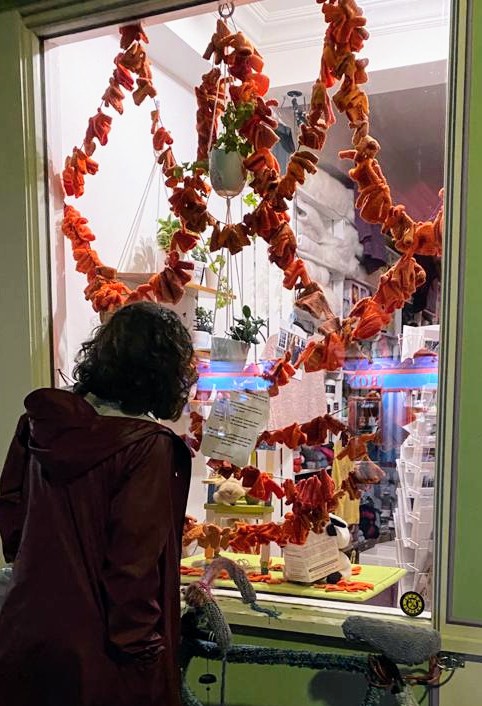
Me in Canada with a shop window decorated for Orange Shirt day / أنا في كندا مع نافذة محل مزين ليوم القميص البرتقالي
In Canada, there has also been a Truth and Reconciliation Commission (from 2007-2015) which documented the lasting impacts of the Canadian Indian residential school system, a network of boarding schools for indigeneous people to isolate children from their own native culture and have them assimilate into the dominant Canadian culture. The commission came up with “94 Calls to Action” in 2015, yet a recent report mentions that no more than 11 of these actions have been implemented, while unmarked graves of these residential schools are still being discovered
Some reconciliation measures are described to be performative to serve Canada’s reputation, and the above mentioned report mentions that there are still systems in place that actively harm Indigenous peoples. It states that “real and meaningful transformative change to underlying systems of oppression — not just individual tinkering around the edges of a broken colonial machine — is required
Ongoing debates in The Netherlands and Belgium
The topics are also relevant to the Netherlands and Belgium, where “Dear Winnie” is touring. Interwoven in the story are comments on the current political and social climate, particularly racism, in the two countries. One actress sung a song associated with the traditional children’s celebration, in which Sinterklaasje (St. Nicholas) and his blackface helpers, who are all called “Black Pete,” bring gifts to children. But she ended to song with a convincing alternative sentence: “fuck you Sinterklaasje”, commenting on the discussion surrounding the racism of this celebration in the Netherlands and Belgium
The debate around “Black Pete” takes place within the context of a wider reckoning with the history of colonialism and slavery in the Netherlands and Belgium. In the Netherlands, the question of whether the government should apologize for the Dutch role in the slave trade has been a heated topic of discussion. The country has seen an increase in publications, books, and research documenting the slave trade, leading to an increase of public understanding on the topic. An advisory report by a commission researching the Dutch history of slavery last year furthermore made some recommendations, such as a government apology, although it advised against reparations. The Dutch government has nevertheless not yet apologized
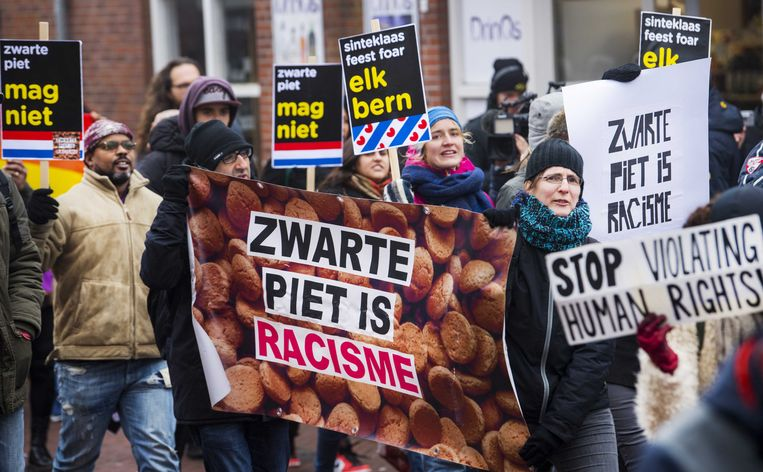
Protest against Black Pete: source / مظاهرة ضد بيت الأسود: مصدر
Reconciliation and the individual
“Dear Winnie” made me reflect on what is needed to achieve restorative justice and reconciliation, whether in South Africa or elsewhere. The examples of Canada and the Netherlands illustrate that the search for restorative justice is often complicated by politics. The play invited the spectator to engage in the search for justice and equality. And maybe this is how the shortcomings of truth and reconciliation commissions should be addressed: by public engagement
Winnie was for many a symbol of the fight against injustice. Although her image was tarnished, her portrayal as not just an anti-apartheid hero, but as a mother, a wife, and a person with fears, regrets, and hopes, made her a character we could all identify with and who could inspire us to continue her fight for equality in the present day in our own ways
Desiree tweets via @desicusters
 issabramil.com
أضف تعليق