

For English please scroll down
بلوغ سن الرشد الشباب في الأدب العربي المعاصر
كيف يمثل الأدب العربي وبالأخص الروايات العربية بلوغ الشباب سن الرشد؟ ايّ مشاكل تواجه هذا الشباب؟ في هذه المقالة أود أن أجيب على هذين السؤالين عبر وصف البيلدونغ رومان، ولأكون دقيقة: البيلدونغ رومان العربي.
مع إن البحث في هذا الموضوع ممكن أن يتسع لمئة صفحة، فسوف أحاول أن اقدّم جواباً متواضعاً عبر وصف كيف أن البيلدونغ رومان العربي يختلف عن البيلدونغ رومان بشكل عام، وسوف أقدّم بعض الأمثلة. فهيا إلى شرح معنى البيلدونغ رومان.
الكلمة بيلدونغ رومان أستعملت للمرة الأولى في ألمانيا في القرن ال18 وهي تشير إلى رواية تعليمية أو تربوية. وتصف هذه الروايات كيف أن البطل أو البطلة يُنضجان عبر المرور بالصعود والهبوط في الحياة. عادة تنتهي القصة بشكل إيجابي. أمثلة كلاسيكية للبيلدونغ رومان باللغة الإنجليزية كتاب تشارلز ديكنز توقعات (1861) وكتاب ج.د. سالينجر الحارس في حقل الشوفان (1951) وكتاب هاربر لي أن تقتل عصفوراً محاكياً (1960). وطبعاً هناك روايات باللغة العربية وصفت مراحل النضج وتتبعتها.
رواية عبد الحكيم قاسم أيام الإنسان السبعة (1969) تتبع البناء التقليدي للبيلدونغ رومان. الرواية ترصد الإغتراب التدريجي للبطل من عالم الصوفية والفولكلور الإسلامي لعائلته التقليدية عندما ينتقل إلى المدينة لمتابعة الدراسة. وتدور أحداث القصة في سبع سنوات كل سنة في واحد من مراحل الحج السبعة. تبدأ القصة من بداية حياة البطل وتستمر خلال مراهقته. ومع إنه لا يتفق مع عائلته فكرياً، فهو مازال يشعر بإرتباطه بأقرابه لأنهم يحبونه ولأنهم أصدقاء له، وهو لا يجد نفس الحنان في قسوة المدينة. تصف الرواية بشكل دقيق التطور النفسي للبطل في نموه وهذه احدى سمات البيلدونغ رومان.
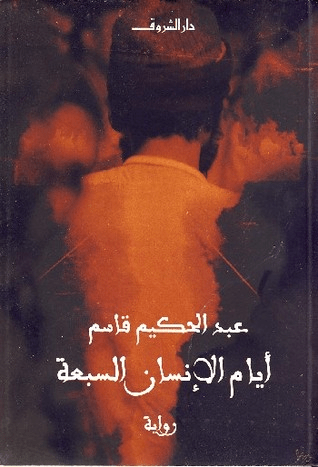
أيام الإنسان السبعة لعبد الحكيم قاسم
لكن أستاذ اللغة الإنجليزية والأدب المقارن الجامعة العربية المفتوحة في عمّان نضال الموسى يقول إن هناك فئة خاصة للبيلدونغ رومان العربي حيث التيمة الأصلية وهي “فن العيش” يُبدلها البطل بتعلّم كيف يمكنه الجمع بين ثقافتين متعارضتين: الثقافة العربية والثقافة الغربية. يسافر البطل في هذا النوع الأدبي إلى الغرب لكي يحصل على الثروة أو ليحقق طموحه أو ليكمل درساته. ويمرّ في الغرب بتجارب مختلفة تشكل شخصيته.
يستخدم الأستاذ ضمن أمثلة كثيرة الحيّ اللاتيني (1958) لسهيل إدريس مشيراً إلى البيلدونغ رومان العربي. يُسافر بطل هذه الرواية إلى باريس حيث يعيش حياته بشكل حرّ بعيداً عن تقاليده الأصلية. وهذه الحياة تُشكل دراسته وبحثه عن نفسه. تصف الرواية محاولات البطل بأن يجمع بين الثقافة التي حملها معه والثقافة الأوروبية التي يبدأ بالتعرّف عليها.
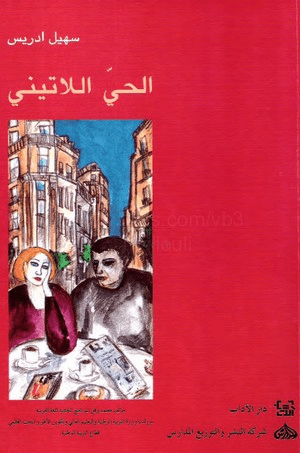
الحيّ اللاتيني لسهيل إدريس
ومثال آخر لهذا التعامل بين الثقافتين هو الرواية الشهيرة للطيب صالح: موسم الهجرة إلى الشمال (1966). تقدّم الرواية هذه المقابلة بين الغرب والشرق (أو الشمال والجنوب) بأنها مقابلة سياسية وإجتماعية وثقافية وعرقية ونفسية عنيفة. ينتقل مصطفى سعيد، وهو من قرية سودانية صغيرة، أولاً إلى القاهرة وثمّ إلى بريطانيا من أجل الدراسة قبلما يرجع إلى الحياة القروية السودانية. درّس مصطفى في أحدى الجامعات البريطانية وفي نفس الوقت طبّق برنامجه الخاص: الإنتقام من الإستعمار بإستخدام هويته الشرقية ليحصل على علاقات مدمرة مع نساء بريطانيات. تنتهي هذه الرحلة الإنتقامية بقتله زوجته جين موريس.
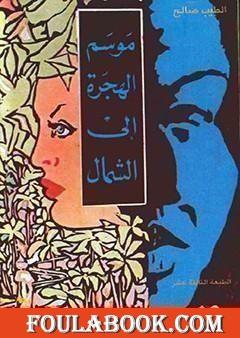
موسم الهجرة إلى الشمال للطيب صالح
داخل مجموعة البيلدونغ رومان العربي يمكن التمييز أيضاً بين روايات ذات بطل وروايات ذات بطلة. فالرواية التي تروي النضج الأنثوي بالضرورة يربط بالتقاليد التي تسيطر على حياة كثير من النساء في العالم العربي. بينما تكبر وتكتشف نفسها تكافح البطلة ضد القيود العائلية والإجتماعية. رواية طيور ايلول (1962) لإيميلي نصر ألله، على سبيل المثال، فهي تركز على مصير النساء اللواتي يرفضن التقاليد بأن يتركن بيتهن ويتابعن الدراسة ويشتغلن.
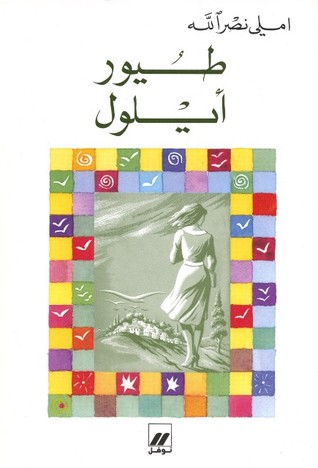
طيور ايلول لإيميلي نصر ألله
علاوة على ذلك، فتقرن كثير من البطلات نضالهن ضد التقاليد بالنضال الوطني للحصول على الإستقلال ومع الشعور الوطنيّ الموجود في بلدان عربية كثيرة في القرن الماضي. فرواية الباذنجانة الزرقاء (1998) لميرال الطحاوي مثلاً تقع بعد الهزيمة العربية في حرب سبع وستين مع إسرائيل. فبطلتها ندى تتمرّد على عائلتها وتلتحق ببعض المنظمات السياسية والدينية من بينها الإخوان المسلمين.
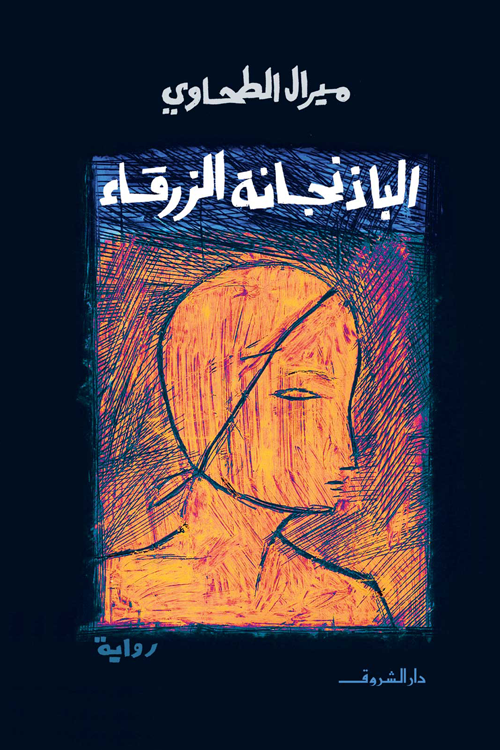
الباذنجانة الزرقاء لميرال الطحاوي
نشاهد عبر هذه الأمثلة إن الأدب العربي أعطى نمطاً خاصاً للبيلدونغ رومان مرتبط بعلاقة العالم العربي مع الغرب وبحالته السياسية والإجتماعية والثقافية الخاصة. القراءة
عن تشكيل وبلوغ الشباب عبر الأدب ممكن أن تقدّم للقارئ طريقة جديدة للنظر إلى ثقافته وعلاقة هذه الثقافة بالعالم العربي وممكن أن تقدّم نظرة جديدة عن التطورات السياسية والإجتماعية في العالم العربي عبر عيون شابة.
تابعوا ديزيري على تويتر @desicusters
The coming of age of the youth in modern Arabic literature
How do Arabic literary novels portray the maturing of their youth? What are the problems they to face and do they differ for men and for women? In this article I would like to answer these questions by describing the literary genre of Bildungsroman, to be more specific: the Arabic Bildungsroman
Although a study into this topic could lead to a hundred page research, I will try to present a modest answer by showing how the Arabic Bildungsroman differs from the Bildungsroman in general and I will name a few examples. Let’s start by defining what a Bildungsroman is
First coined in Germany in the 18th century, the term refers to an ‘upbringing’ or ‘educational’ novel. Novels in this category describe how the hero or heroine reaches maturity through a process of ups and downs. Usually the novels end on a positive tone. Classic English examples of Bildungsroman novels include Charles Dickens’ Great Expectations (1861), J.D. Salinger’s Catcher in the Rye (1951) and Harper Lee’s To Kill a Mockingbird (1960). Arabic novels following the maturation process have also been written
ʿAbd al-Ḥamīk Qāsim’s novel Ayyām al-insān al- sabʿa (1969, English trans. The Seven Days of Men, 1989) follows the classic structure of a Bildungsroman. The novel traces an Egyptian boy’s progressive alienation from his family’s traditional world of mystic religion and Islamic folklore as he moves to the city and follows an education. It is set in a time-space of seven years each set in one of the seven stages of a pilgrimage. These start in early years the hero and continue through his puberty and adolescent. Yet, however much he intellectually disagrees with his family, he is still bound to them because of their love and friendship something he cannot find in the harshness of city life. The novel accurately describes the hero’s psychological evolution as he grows, one of the typical aspects of a Bildungsroman

ʿAbd al-Ḥamīk Qāsim – The Seven Days of Men
However, Nedal M. al- Mousa, Professor of English and Comparative literature in Amman, Jordan, argues that there is a genre of the “Arabic Bildungsroman”. In it the original theme of learning the “art of living” is replaced by the hero(ine) learning how to reconcile two opposing cultures: the Arabic and Western. In this genre the main protagonist leaves home to the West (to seek his fortune, realize his ambitions or follow and education) where he goes through a variety of shaping experiences
Among others, al-Mousa uses the example of Suhayl Idris’ al- Hayy al- Lātīnī (‘The Latin Quarter’, 1958) to make his case. In this novel the hero leaves for Paris where, liberated from the traditions of his native culture, he sets out to live his life at the highest pitch, an undertaking central to his education and his quest for self. The novel describes the way the central character aims to combine the culture he brings with him and the new European culture he is getting to know
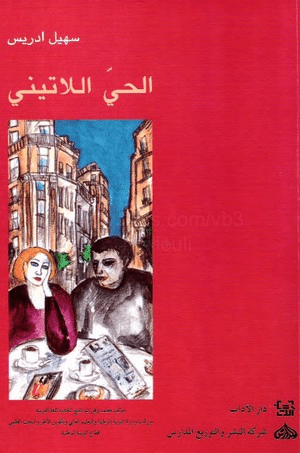
Suhayl Idris’ al- Hayy al-Lātīnī / The Latin Quarter
Another example of this cultural interaction we can find in the famous novel Mawsim al-hijrah ilā al-shamāl (1966, English trans. Season of migration to the North, 1969) by Al-Ṭayyib Ṣāliḥ. The novel depicts the North-South/ East-West encounter as one of political, social, cultural, racial and psychological conflict and violence. Muṣṭafā Saʿīd, the Sudanese hero of the novel, comes from a small village and moves to Cairo and England respectively to study before he returns to the Sudanese village life. During his years in England he teaches at a British university while his private political agenda is revenging colonialism by exploiting his exoticism though a series of destructive relationships with British women. This journey of vengeance ends by him murdering his wife, Jean Morris
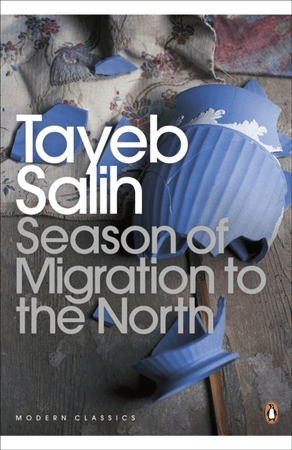
Al-Ṭayyib Ṣāliḥ – Season of migration to the North
Within the Arab Bildungsroman a distinction can be made for novels with a female protagonist. The Arabic novel depicting the female self-development necessarily relates the heroine to the traditional conventions that govern the lives of many women in the Arab world. In her maturing and self-exploration she struggles against the constrains of family and society. Imīlī Naṣr Allah’s Ṭuyūr aylūl (‘September Birds’, 1962) in an example that explores the fate of women who defy convention by leaving home to gain education and a career
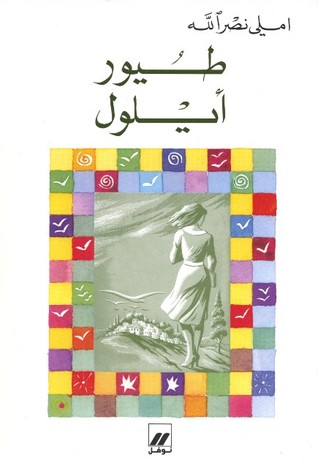
Imīlī Naṣr Allah’s Ṭuyūr aylūl
Furthermore, in many novels the heroine identifies her quest for freedom with that of the national struggle independence and a the sense of national identity that many Arab countries went through in the previous decade. An example is Mīrāl al- Ṭaḥawī- al-bāthinjānah al-zarqāʾ (1998, English trans. The Blue Aubergine, 2002). Set in the period after the defeat of Arab nations by Israel during the six-day war (1967) this novel describes the story of the Egyptian Nadā who instead of following her family wishes joins several political and religious parties of which the Muslim brotherhood is one example
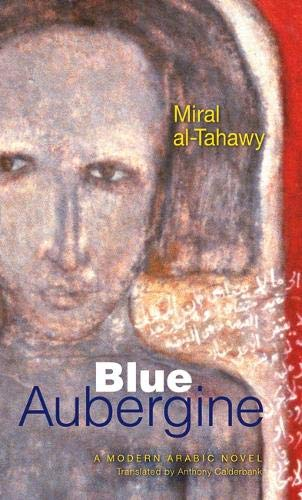
Mīrāl al- Ṭaḥawī- al-bāthinjānah al-zarqāʾ
We can see through these examples that Arabic literature has given its own spin on the genre of the Bildungsroman that relates to the Arab world’s relationship with the West and on its own political and social environment. Reading about the coming of age of youth through literature can thus offer readers a new way of gaining insight on their own culture and how it relates to the ‘Arab world’ as well as an insight into the political and social developments of the Arab world through the eyes of a youngster
For readers interested in the Arabic Bildungsroman, here are some suggestions that have been translated
ʿAbd al-Ḥamīk Qāsim’s Ayyām al-insān al- sabʿa (1969, English trans. The Seven Days of Men, 1989)
Al-Ṭayyib Ṣāliḥ’s Mawsim al-hijrah ilā al-shamāl (1966, English trans. Season of migration to the North, 1969)
Fadwā Ṭūqān – Riḥlah ṣaʿba, riḥlah jabaliyya, (1985, English trans. A Mountains Journey, 1990)
Laṭīfa al-Zayyāt – al-Bāb al-maftūḥ (1960, English trans. The Open Door, 2002)
Mīrāl al- Ṭaḥawī – al-bāthinjānah al-zarqāʾ (1998, English trans. The Blue Aubergine, 2002)
Waguih Ghali – Beer in the Snooker Club (1964, original in English)
Yaḥyā Ḥaqqī – Qindīl Umm Hāshim (1944, English trans. The Lamp of Umm Hashim, 2006)
Albert Memmi (1920- , Tunisia) – La Statue de Sel (1955, English trans. Pillar of Salt, 1992)
Samar al-ʿAṭṭār (1945-, Syria) – Līnā Lawḥah Fatāh Damashqiyyah (1982 English trans. Lina: A Portrait of a Damascene Girl, 1994)
Assia Djebber (1936- 2015, Algeria) –L’Amour, la fantasia (1985, English trans. Fantasia: An Algerian Cavalcade, 1996)
Desiree tweets via @desicusters
 issabramil.com
أضف تعليق