For English scroll down
أصبحت مسألة الهوية أحد المفاهيم الأساسية في عصرنا هذا. نحن نعيش في زمن أصبح فيه السياسي شخصياً والخاص سياسياً. وقد حقق هذا التركيز على الهوية إنجازات كبيرة للأقليات والفئات المهمشة. لكنه أدى أيضاً إلى تصلب النقاش العام، حيث أصبحت أجسادنا ومعتقداتنا جزءاً من المجال السياسي.
ينعكس هذا الأخير في زيادة الاهتمام والقلق بشأن ما يسمى الآخر، سواء كان هذا هو الآخر في الدين أو العرق أو القناعة السياسية أو حتى الجسد، مصحوباً بتمسك قوي بهوية الذات. في هذا المقالة، أود استكشاف إمكانية أن هذه الديناميكية (التي تركز على الهوية) تأتي من أزمة الهوية، والتي أعرّفها على أنها عدم القدرة على تحديد الذات بشكل بناء فيما يتعلق بالآخر، سواء على المستوى الفردي أو الجماعي. سأقدم أيضاً ما أعتقد أنه ضروري للابتعاد عن الأزمة نحو إقامة علاقات اجتماعية إيجابية.
أزمة الهوية: أزمة ثنائية؟
في حلقة حديثة للبودكاست كونفليكتَد (تم نسخه هنا)، يناقش المقدمان أيمن دين وتوماس سمول ما يريانه أزمة هوية في الغرب، ويربطان هذا بالسؤال عن سبب خوف الغرب من الإسلام. يقترح توماس أن هذا الخوف يأتي من فقدان الإيمان في عصر الحداثة: “أعتقد أن الحداثة في الأصل هي فقدان الإيمان واستبداله بالعديد من الأشياء الأخرى التي تم الموافقة عليها وتبنيها، وهذا شيء لا يرضي فعلاً. لم نقم أبداً باستبدال الإيمان بالكامل ونخشى ذلك. إنه يطاردنا كغربيين، ونرى المسلمين نوعاً ما، مخلصين بشدة للإيمان بينما نحن نكره ذلك”.
تجد أزمة الإيمان دعماً في كتاب السياسي والمفكر الإسلامي البوسني علي عزت بيجوفيتش الإسلام بين الشرق والغرب (1984). في هذا الكتاب، يميز بين الحضارة (المادية) والثقافية (الروحانية)، واصفاً أنه عندما يميل المرء نحو أي منهما، تبتعد الحياة عن الازدواجية الضرورية التي تجعلنا بشراً. يؤكد أنه في المجتمع العلماني الحديث، يتم التأكيد على الرؤية المادية بينما يتم تقليل التركيز على الروحانية والثقافية، مما يجعلنا غير مكتملين. يقدم بيجوفيتش الإسلام على أنه طريقة حياة قادرة على الجمع بين المادية والروحانية، ويقدم في كتابه حججاً من تخصصات مختلفة لدعم هذا الرأي.
وهكذا يربط بيجوفيتش أزمة الازدواجية الموصوفة بتطورات الحداثة، التي أدت فيها عملية العلمنة إلى إفقار روحي. على الرغم من أنه يمكن التساؤل عن الدرجة التي فقد بها الغرب العلماني إيمانه بالفعل، وعلى الرغم من أن الإسلام ليس بالضرورة بالنسبة لكل شخص الجواب الصحيح لأزمة الثنائية هذه، فإن الفرضية مثيرة للاهتمام عند النظر إلى التطورات الاجتماعية والسياسية في العالم بأسره بعد عصر الحداثة.
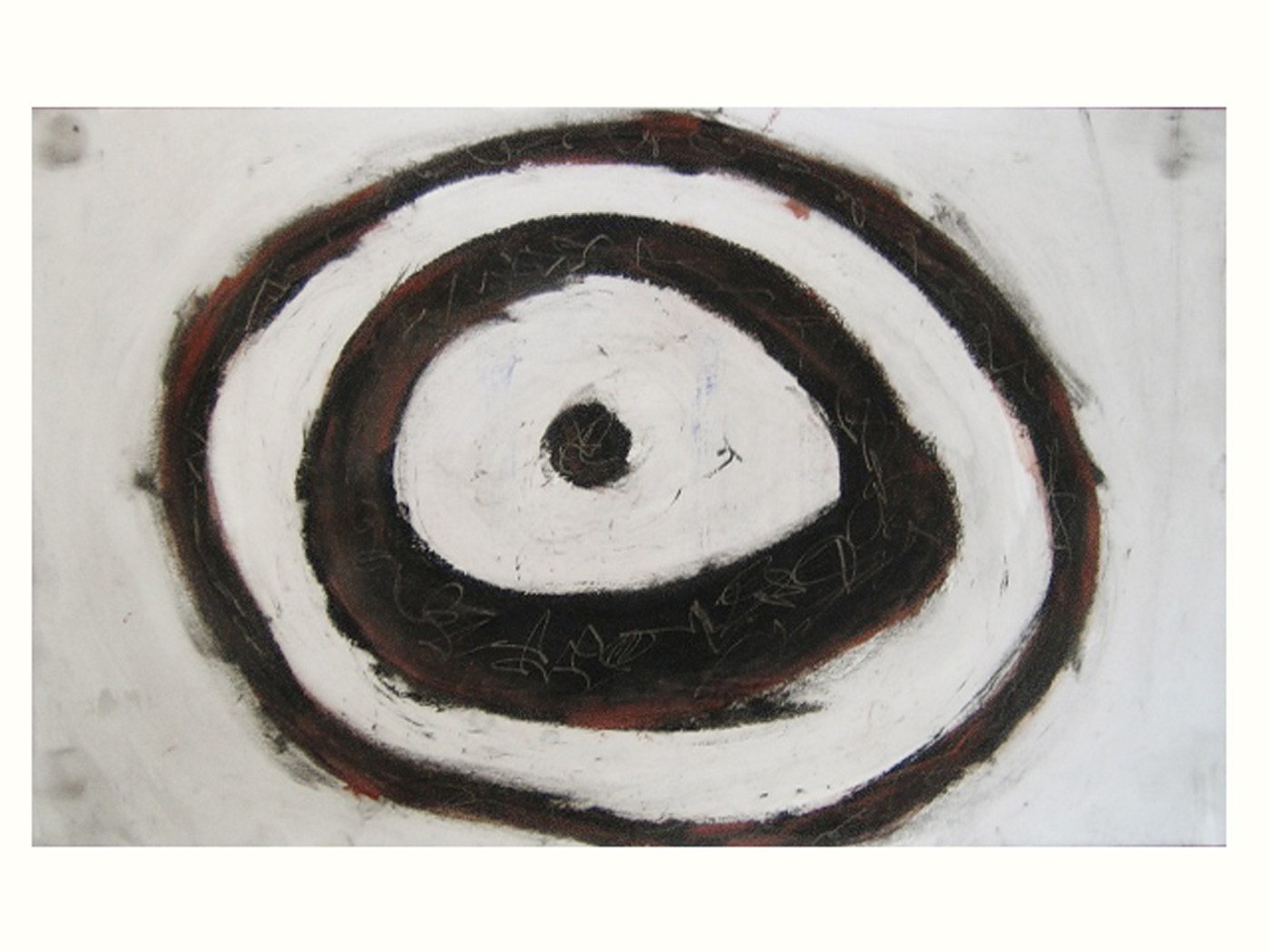
Malaga 1 (2012) / مالقا 1 (٢٠١٢)
سياسة الهوية: خطاب الآخر
شهد العقدان الماضيان تقسيماً في الفضاء السياسي، حيث يتم التذرع بالرمزية الثقافية لوضع الحدود بين الذات والآخر. في الخطاب الناتج كثيراً ما يُنظر إلى الآخر بشكل سلبي، مما يؤدي إلى إنشاء تسلسل هرمي يتم فيه وضع الذات في مرتبة أعلى. فيما يتم تعريف الآخر على أنه نقيض، حتى على أنه العدو المطلق. ما نراه في هذا “العدو الآخر” هو ما لا نريد أن نكون أنفسنا. لا نرى ذلك الآخر ككائن في حد ذاته، لكننا نراه من خلال منظورنا الشخصي والمعزول الذي نعتبره متفوقاً.
عززت آثار وسائل التواصل الاجتماعي هذه الظاهرة، لأنه في مجال التواصل الاجتماعي غالباً ما يتسم الاتصال بالآخر بالمواجهة وليس الانخراط. بالإضافة إلى ذلك، أعتقد أن طريقة تفكيرنا والتوصل إلى استنتاجات قد تغيرت من خلال قصر النظر الذي قدمه الاتصال السريع. علاوة على ان وسائل التواصل الاجتماعي تضيف إلى عزلتنا عن بعضنا البعض. إذ قدم العالم نفسه لنا، فلماذا نحاول ونفهم العالم؟
التغلب على الاستقطاب: ضرورة الفضول
أود أن أتذكر هنا صديقتي العزيزة ميكيلا، التي توفت في بداية هذه السنة والتي شعرت أنها تجسّد فكرة سد الفجوة بين الناس من جميع مناحي الحياة. كانت ناشطة في الولايات المتحدة تناضل من أجل العدالة الاجتماعية. مع وفاتها شعرت بخيبة أمل عميقة لحالة العالم، ولكنني اجد نفسي دافعة لإيمان أقوى بما مثلته، وبينما كنت أفكر في ما وصفته أعلاه، ذهبت أفكاري إلى ميكيلا، وفكرت في ما جعلها قادرة على التجسيربين الشعوب. ثم تذكرت فضولها.
قد يبدو مصطلح الفضول بسيطاً ولكنه يحمل الكثير. عندما يكون هناك نقص في الفضول، نفقد الرغبة في التعرف على العالم حولنا وتقدير وجود أشخاص لديهم ثقافات أخرى. نصبح متشائمين وغاضبين، ونتشبث بمعتقداتنا. من ناحية أخرى، الفضول يعني الصبر والتواضع لأنه يتعلق بالتعلم والاستماع دون افتراضات مسبقة. هذا يعني أنك تقر بأنك جزء من شيء أكبر، دون إنكار أنه يمكنك تقديم مساهمة ذات مغزى لذلك الشيء الأكبر. الفضول يحمل الأمل لأنه يفتح مساحات لخلق علاقات اجتماعية يمكن أن تحدِث التغيير. الفضول يعني أيضاً قبول أسئلة الآخرين دون اعتبارها تهديداً.
في حديثها على تيد إكس، تتحدث الصحفية مونيكا غوزمان عن قوة الفضول الراديكالي، وتصف الفضول كأداة للتفكير في أنه يمكننا أن نوجهه إلى أشياء لا نفهمها، خاصةً عندما تؤذينا هذه الأشياء. يذكر الخبير في بناء السلام جون بول ليدراخ في كتابه الصادر عام 2004 الخيال الأخلاقي، ما يسميه: “الفضول المتناقض” (ص. 35) وهو: فضول لمفارقات الحياة، فضول يتجاوز الاستقطاب الثنائي للخير والشر، الصواب والخطأ. ويكتب أن الفضول المتناقض يبذل جهداً لرؤية العالم بكل تناقضاته الظاهرة، ولرؤية الحقائق التي تتجاوز ما تراه العين في البداية، وللاستمرار في الانتباه والاستفسارات.
الفضول ليس مهماً فقط عند التفاعل مع الآخر، بل أيضاً عندما ننظر إلى أنفسنا وأفكارنا وهويتنا. يجب أن يتم هذا أيضاً بانفتاح لاكتشاف غموضنا وتناقضاتنا. عندما نكون قادرين على القيام بذلك، فإن التهديدات المتصورة لهويتنا، سواء كانت فردية أو جماعية، والقلق الذي يصاحبها، يتضاءل. نحن قادرون على النظر إليه بنسبية اتجاه الآخر، كعناصر يمكن أن توجد بجانب بعضها البعض، بدلاً من حساب محصلتها صفر. ترتبط القدرة على معرفة أنفسنا وهويتنا ووجودنا بالقدرة على معرفة الآخرين. يكتب ليدراخ: إنني أرى بشكل متزايد أن الأشخاص الذين يستمعون بشكل أفضل وأعمق للآخرين هم أولئك الذين وجدوا طريقة للتواصل مع أصواتهم الخاصة (ص. 165).
عملية الفضول: الثقافة
واحدة من الطُرق التي أجدها الأكثر فعالية للتعبير عن الفضول هي عبر الثقافة. من خلال الثقافة نعيش التقاليد التي تشكل هويتنا، ونعبر عن تلك الهوية، ونجعل ما نفكر فيه ونشعر به ملموساً. الثقافة تأملية واستطرادية. إذا كان يُنظر إليها بانه مهددة، فهو شيء نتمسك به بشدة، على حساب الآخرين وثقافتهم. ولكن إذا كنا فضوليين و منفتحين بدرجة كافية، فقد تكون الثقافة واحدة من أكثر الطرق البناءة التي يمكن من خلالها استكشاف من نحن وكيف نتواصل مع الآخرين.
هنا يمكننا العودة إلى أزمة الازدواجية المذكورة في الجزء الأول من هذه المقالة. قلة الفضول هي الاعتقاد بعدم وجود المزيد من الأسئلة بالنسبة لنا كبشر وهذا يتعلق بنقص روحاني أو ثقافي. يكتب بيغوفيتش: “إن ضيق أفق الإنسان الحديث يتجلى، أكثر ما يكون، في اعتقاده بأنه لا يرى أمامه لغزاً (…) من مهام الدين والفن والفلسفة توجيه نظر الإنسان إلى التساؤلات والألغاز والأسرار. وقد يؤدي هذا احياناً إلى معرفة ما، ولكن في أغلب الأحيان يؤدي إلى وعي بجهلنا، أو إلى تحويل جهلنا الذي لا نشعر به إلى جهل نعرف أنه جهل (ص. 79).
تنبع الثقافة من الجانب الروحي، وهذا الجانب الروحي يساعدنا على تطوير وعي بنسبيتنا تجاه الآخرين بينما نكون قادرين على الاقتراب من الآخر من موقع المساواة. بيغوفيتش مرة أخرى: “مساواة الإنسان خصوصية أخلاقية وليست حقيقة طبيعية أو مادية أو عقلية” (ص. 86). يكتب بيغوفيتش عن الفن على وجه التحديد: “المعنى النهائي للفن أن يكتشف الخصوصية الإنسانية في الناس الذين أساءت إليهم الحياة، وأن يكشف عن النبل الإنساني عند أناس صغارٍ منسيّين في خضم الحياة – وباختصار أن يكشف عن الروح الإنسانية المتساوية القيمة عند جميع البشر (ص. 87). يكتب ليدراخ عن المصالحة كعملية فنية إبداعية لا تأخذ فيها العقلانية الفكرية دوراً فحسب، بل أيضاً الروحية، ويذكر أن: الفن والعثور على طريق العودة إلى الإنسانية مرتبطان (ليديراخ ص. 162).
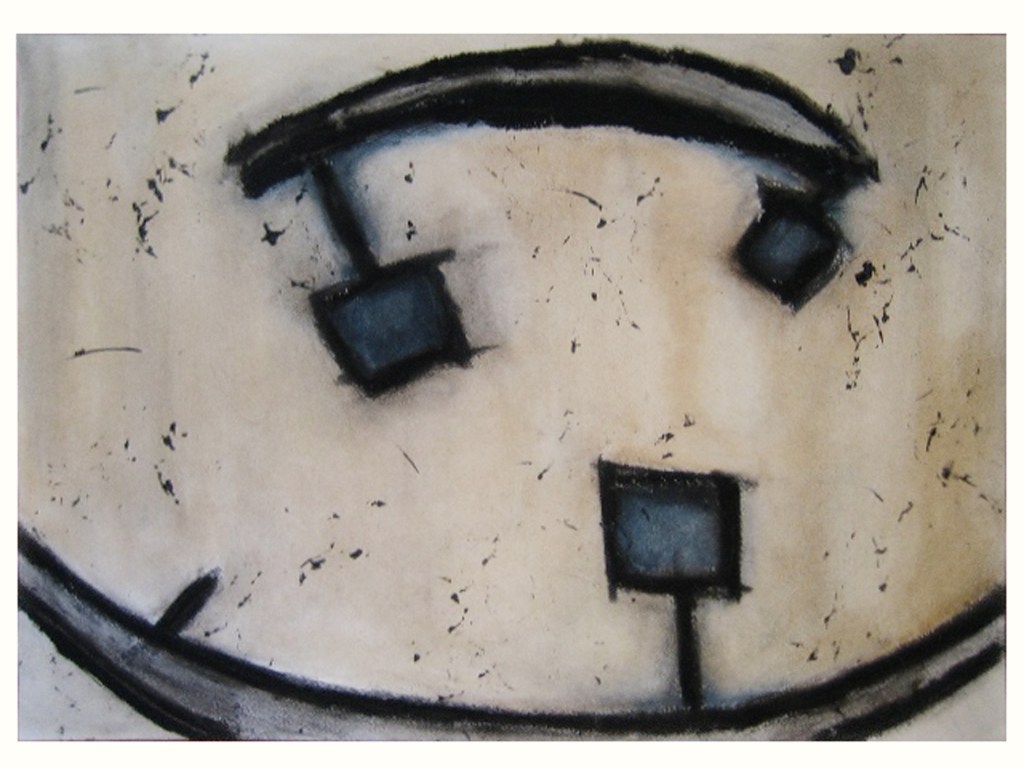
Malaga 2 (2012) / مالقا 2 (٢٠١٢)
استنتاج
لقد بدأت هذه المقالة بتعريف أزمة الهوية على أنها عدم القدرة على تحديد الذات بشكل بناء فيما يتصل بالآخر، سواء على المستوى الفردي أو الجماعي. لقد ذكرت المثال الذي تمت مناقشته في بودكاست كونفليكتَد، وهو عدم قدرة الغرب على التفاعل بشكل بناء مع الإسلام بسبب فقدان الإيمان. ربطتُ فقدان الإيمان بعد ذلك بكتابات علي عزت بيغوفيتش، الذي يصف الحاجة إلى الموازنة بين المادية والروحية وأزمة الفقر الروحي الحالية.
ترتبط أزمة الهوية بسياسات الهوية التي، في حين أنها أدت إلى تمكين الفئات المهمشة، فإنها أيضاً تسببت في خلق انقسامات في ما نعتقد أنه يعرّفنا كأفراد وجماعات. اجد أنه من المدمر البدء في مقاربة الآخر على أنها تهديد.
لهذا السبب، أجادل من أجل الفضول. سواء تجاه أنفسنا، مما يتيح المجال لاستكشاف هويتنا وأفكارنا، أو تجاه الآخر، مما يسمح بالانفتاح للاستماع والتعلم. ما أعنيه بالفضول هو بالتالي عقلية وطريقة لرؤية العالم الذي تقبل فيه وجهات النظر الأخرى وحقيقة أن الإنسان ما هو إلا مجرد عنصر واحد في شبكة من الترابطات، بينما في نفس الوقت يكون قادراً على التمسك بهويته الخاصة.
أرى أن الثقافة ضرورية لهذا الفضول تجاه أنفسنا والآخر. ترتبط الثقافة بالجانب الروحي، وهذا الجانب الروحي يساعدنا على تطوير وعي بنسبيتنا تجاه الآخرين وإضفاء الطابع الإنساني على من حولنا، بينما توفر وسيلة للتعبير عن هويتنا واستكشافها. وبهذه الطريقة، يمكننا أن نعترف بأوجه التشابه والاختلاف بيننا، وأن نعمل من أجل الاعتماد المتبادل البناء.
لن يزيل الفضول الانقسامات الموجودة بين عشية وضحاها، لكنني أعتقد أنه إذا أصبحنا أكثر فضولاً تجاه بعضنا البعض وأنفسنا، فإن هذا سيحدث فرقاً كبيراً. على أي حال، أنت وأنا هنا، وقدرتنا على التعايش السلمي هي كل ما يهم. وسأكون دائماً فضولية لمعرفة كيفية تحقيق ذلك.
تابعوا ديزيري على تويتر @desicusters
The case for curiosity in the age of the self
The question of identity has become one of the key concepts of our day and age. We live in a time when the political has become personal, and the personal political. This focus on identity has brought major achievements for minorities and marginalized groups. But it has also led to a hardening of the public debate, as our bodies and beliefs have become part of politics
This latter is reflected in an increased attention to and anxiety about the so-called other, whether this is the other in religion, ethnicity, political conviction, or even the body, accompanied by a strong hold to one’s own identity. In this article I would like to explore the possibility that this identity-focused dynamic comes forth from an identity crisis, which I define as the inability to constructively define oneself in relation to the other, whether on individual or collective scale. I will also offer what I think is needed to move away from the crisis towards the creation of positive social relations
Is the identity crisis a crisis of dualism
In a recent podcast by Conflicted (transcripted here), the two presenters Ayman Dean and Thomas Small discuss what they see as an identity crisis in the West, and relate this to the question why the West is so scared of Islam. Thomas proposes that this fear comes forth from a loss of faith in the age of modernity: I think that at root, modernity is the loss of faith and its replacement with many, many other things that have been ratified and absolutized, which sort of never satisfy. We have never actually fully replaced faith and we fear it. It haunts us as Westerners, and we see Muslims as sort of, intractably devoted to faith and we hate it
The crisis of faith finds support in Bosnian politician and Islamic thinker Alija Ali Izetbeovic’s book Islam Between East and West (1984). In it, he differentiates between civilization (the materialistic) and culture (the spiritual), describing that when one leans too much towards either, life moves away from the necessary duality that makes us human. He contends that in the modern secular society, the material view is emphasized while the spiritual and cultural is de-emphasized, making us incomplete. Izetbeovic offers Islam as a way of life that is able to combine both the spiritual and material, and in his book he provides arguments from different disciplines to support this view
Izetbegovic thus links the described crisis of dualism to the developments of modernity, in which a process of secularization led to spiritual impoverishment. Although one could question the degree to which a secularized West has indeed lost its faith, and although Islam is not necessarily the anwser for everybody to this crisis of dualism, the hypothesis is interesting when looking at the the social and political developments in the world at large following the age of modernity
Identity Politics: discourse of the enemy other
The last two decades specifically, have seen the dichotomization of the political space, in which cultural symbolism is invoked to set boundaries between the self and the other. In the resulting discourse, the other is often looked at negatively, creating a hierarchy in which the self is placed in higher value. The other is defined as an opposite, sometimes even as the absolute enemy. What we see in this ‘enemy other’ is what we do not want to be ourselves. We are not seeing that other as a being in itself, but see them through our own personal and isolated prism which we consider superior
The effects of social media have strengthened this phenomenon, because in the sphere of social media contact with the other is often characterized by confrontation, rather than engagement. In addition, I think that our way of thinking and coming to conclusions has become shaped by the shortisighted that fast-speed communication has presented. Social media adds to our isolation from each other. If the world presents itself to us, why should we try and understand the world
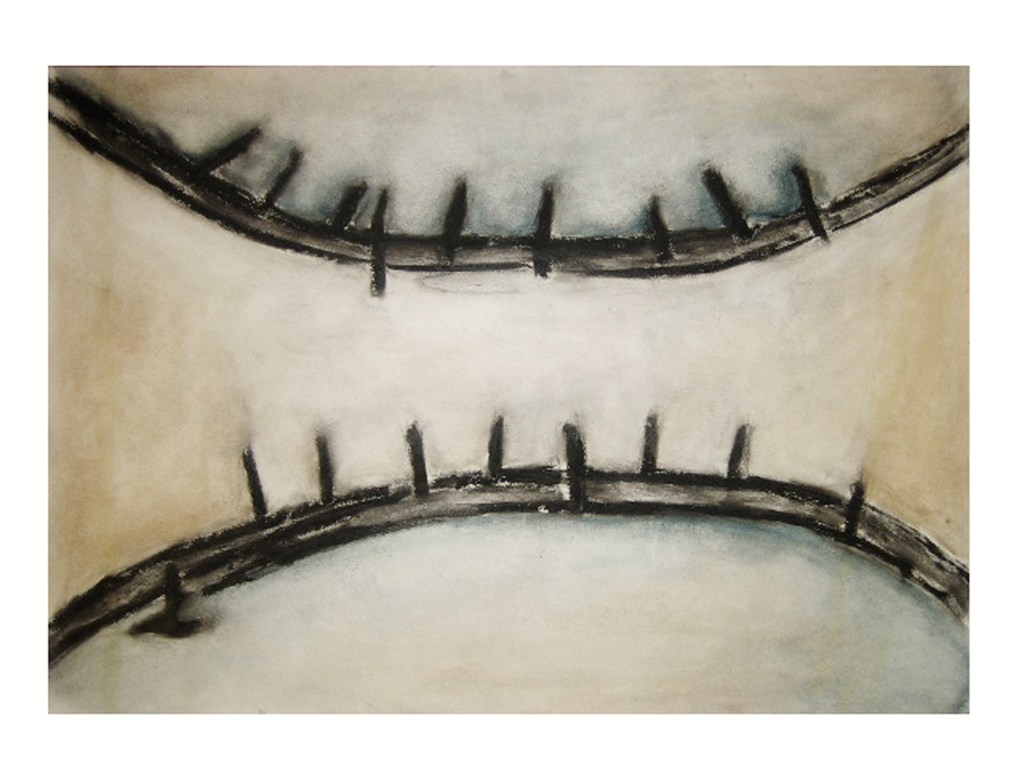
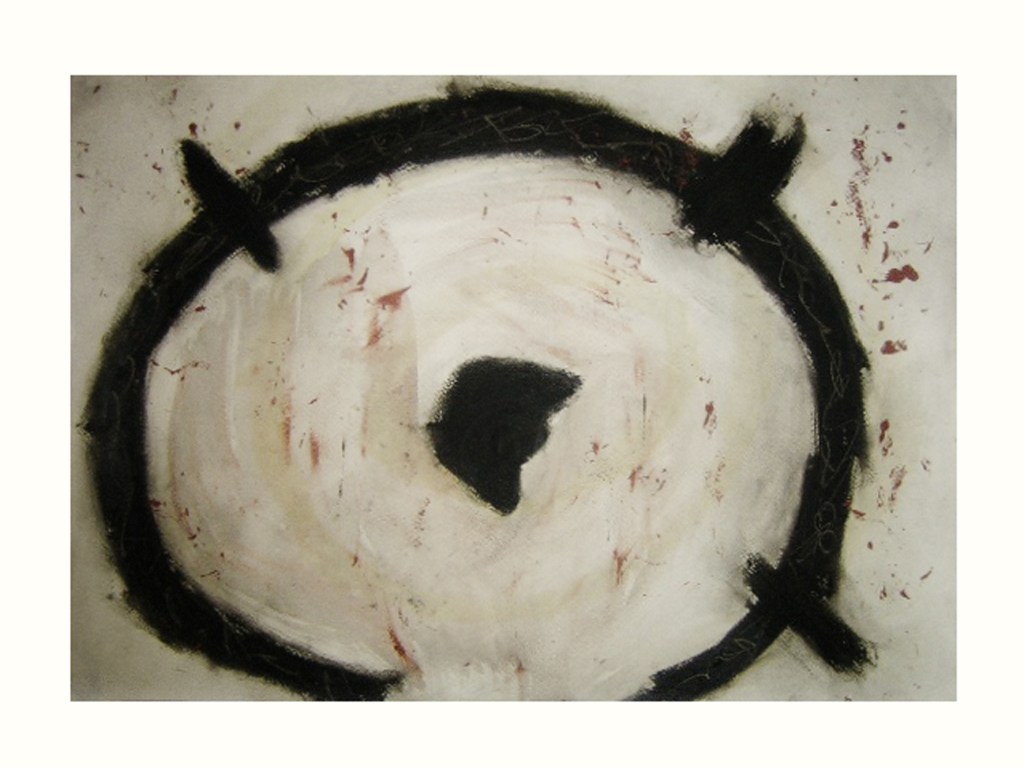
Malaga 3 (2012) / مالقا 3 (٢٠١٢)
Beyond Polarization: the Case for Curiosity
I wish to remember at this point my dear friend Mykalah, who passed away earlier this year and who I felt embodied the idea of bridging the divide between people from all walks of life. She was an activist in the US fighting for social justice. With her passing, I felt a deep disappointment in the state of the world, but also a drive for a stronger belief in what she stood for. While reflecting on what I described above my thoughts went to Mykalah, I thought about what made her so able to bridge between peoples. Then I remembered her curiosity
Curiosity may seem a simple term but it carries so much. When there is a lack of curiosity, we lose the will to learn about the world around us and to appreciate that there are people with other cultures. We become cynical and angry, and we hold on to our own dogmas. Curiosity, on the other hand, means patience and humility because it is about learning and listening without preconceived assumptions. It means that you acknowledge being part of something larger, without denying that you can make a meaningful contribution to that something larger. Curiosity carries hope because it opens spaces for creating social relationships that can bring about change. Curiosity also means accepting the questions of others without seeing them as threatening
In her TEDx talk, the journalist Mónica Guzmán talks about the power of radical curiosity, and describes curiosity as a tool of thinking that we can aim at things we don’t understand, especially when the things we don’t understand are hurting us. The experienced peace builder John Paul Lederach describes in his 2004 book The Moral Imagination what he terms paradoxical curiosity: a curiosity for the paradoxes of life, a curiosity that goes beyond the dualistic polarities of good and bad, right or wrong. Paradoxical curiosity, he writes, is making an effort to see the world with all its seeming contradictions, to see truths beyond what initially meets eye, and to have constant attentiveness and inquiries, page 35
Curiosity is not only important when interacting with the other, but also when we look at ourselves, and our own ideas and identity. This too, should be done with an openness to discover our ambiguities and contradictions. When we are able to do this, the perceived threats to our identity, whether individual or collective, and the anxiety that comes with it, diminishes. We are able to look at it relative to that of others, as elements that can exist next to each other, rather than as a zero-sum calculation. The ability to know ourselves, our identity, our being, is interlinked with the ability to know others. Lederach writes: I am increasingly of the view that people who listen the best and deepest to others are those who have found a way to be in touch with their own voices, page 165
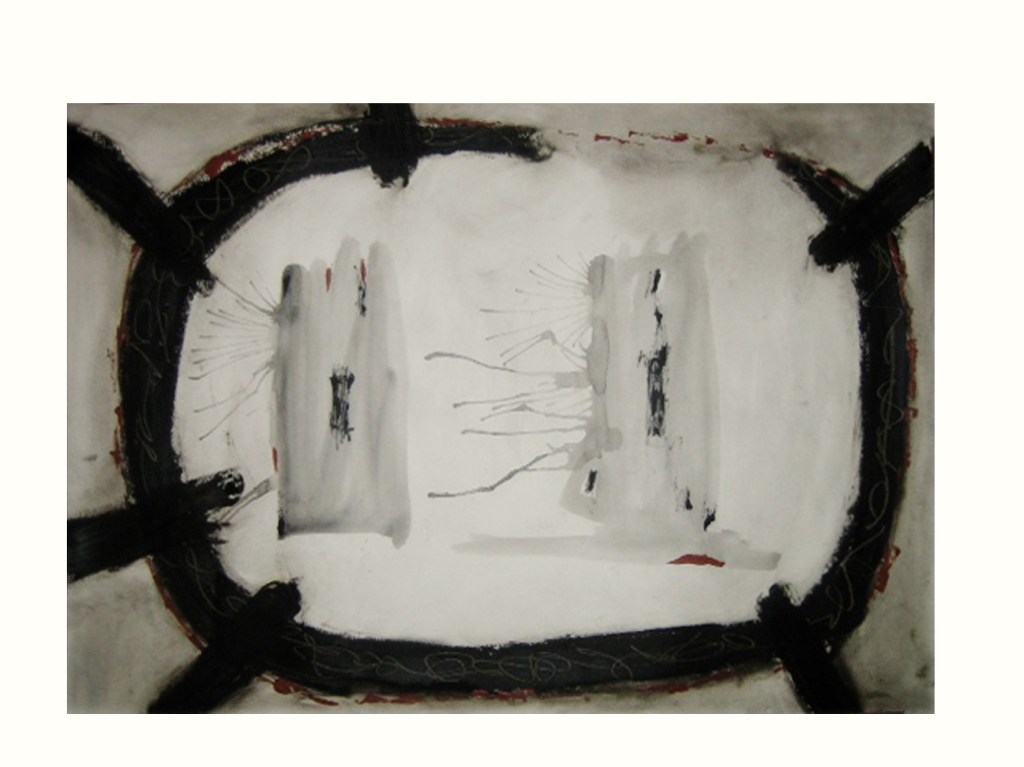
Malaga 4 (2012) / مالقا 4 (٢٠١٢)
Curiosity practiced: Culture
One means that I find it particularly effective to express curiosity is through culture. Through culture we live the traditions that shape our identity, express that identity, and materialize what we think and feel. Culture is contemplative and discursive. If perceived as threatened, it is something we hold on to dearly, at the expense of others and their culture. But if we are curious and open enough, culture might be one of the most constructive ways through which to explore who we are and how we relate to others
Here we can come back to the crisis of duality mentioned in the first part of this article. For a lack of curiosity, the belief that there are no more questions for us as human kind, relates to the lack of the spiritual or the cultural. Izetbegovic writes: the modern man´s narrow-mindedness is best shown in his belief that there is no riddle before him. (…) The meaning of art, philosophy, and religion is to direct man’s attention to riddles, secrets, and questions. It sometimes leads to a certain knowledge but more often to an awareness of ignorance or to transforming our ignorance of which we are not aware into ignorance of which we are aware, page 31
Culture comes forth from the spiritual, and this spiritual aspect helps us develop an awareness of our own relativity towards others while being able to approach the other from a position of equality. Izetbegovic again: The equality of men is a spiritual and not a natural, physical, or intellectual fact, page 36. On art specifically, he writes: the utmost meaning of art is to discover the human quality in men who have been degraded by life and to find human greatness in the small, forgotten people – in a word, to reveal the human soul of the same value in every human being, page 37. Lederach writes about reconciliation as a creative artistic process in which not only intellectual rationality takes on a role, but also the spiritual, and states that: art and finding our way back to humanity are connected, page 162
Conclusion
I started this article by defining an identity crisis as the inability to constructively define oneself in relation to the other, whether on individual or collective scale. I mentioned the example discussed in Conflicted, of the West’s inability to relate itself constructively towards the Islam due to the loss of faith. This loss of faith is then related to the writings of Izetbegovic, who describes the need to balance the material and the spiritual and a current crisis of spiritual impoverishment
The identity crisis I also relate to identity politics which, while it has led to the emancipation of marginalized groups, has also created cleavages that run though what we believe defines us as individuals and groups. I describe finding it destructive to a priori approach the other as a threat
For this reason, I argue for curiosity. Both towards ourselves, allowing for the space to explore our own identity and ideas, and the other, allowing for an openness to listen and learn. What I mean by curiosity is thus a mindset and way of seeing the world in which you have acceptance of other views and of the fact that you are but one element in a web of interdependencies, while at the same time being able to hold on to your own identity
I see culture as essential to this curiosity towards ourselves and the other. Culture relates to the spiritual, and this spiritual aspect helps us develop an awareness of our own relativity towards others and to humanize those around us, while it provides a means to express and explore our own identity. In this way, we can acknowledge both our similarities and differences, and work towards constructive interdependencies
Curiosity will not eliminate existing cleavages overnight, but I do believe that if we become more curious towards each other and ourselves, this would make a huge difference. In any case, you and I are here, and our ability to co-exist peacefully is all that matters. And I will always be curious as to how to make that happen
Desiree tweets via @desicusters
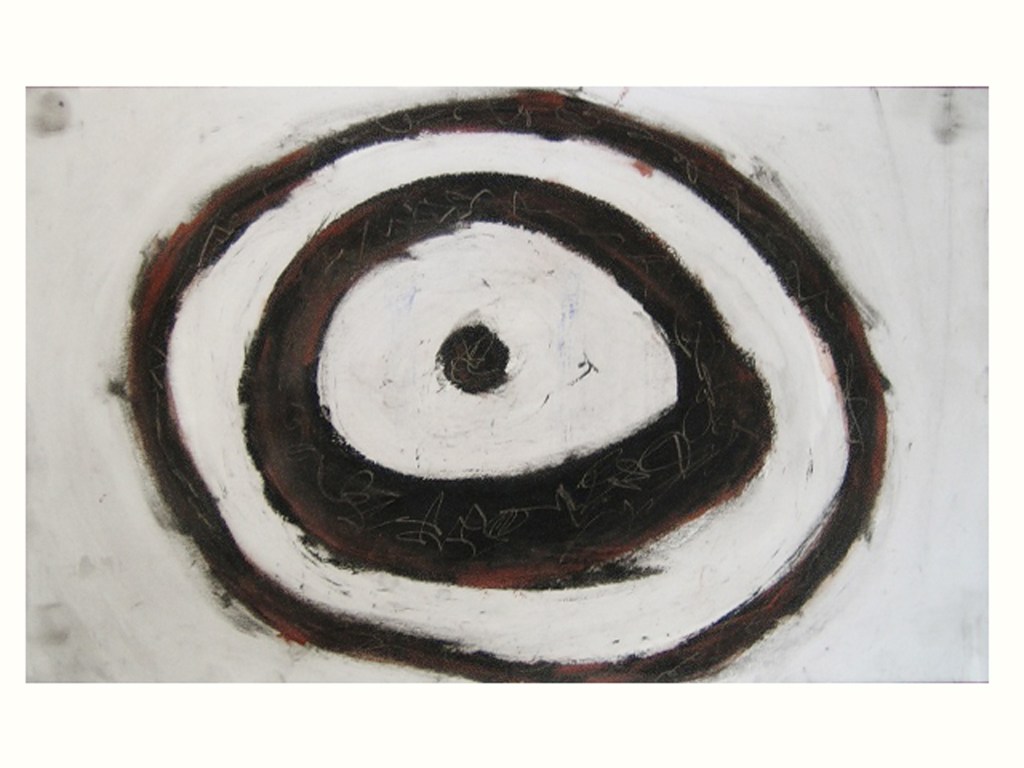
Malaga 5 (2012) / مالقا 5 (٢٠١٢)
 issabramil.com
أضف تعليق