
For English please scroll down
كتبتُ هذه المقالة مع زميلتي مريم شميدت، مديرة البرامج في مؤسسة كاربو. نُشرت أيضاً على موقع مركز ستيمسون و موقع كاربو. اقرا التقرير الكامل هنا
مقدمة
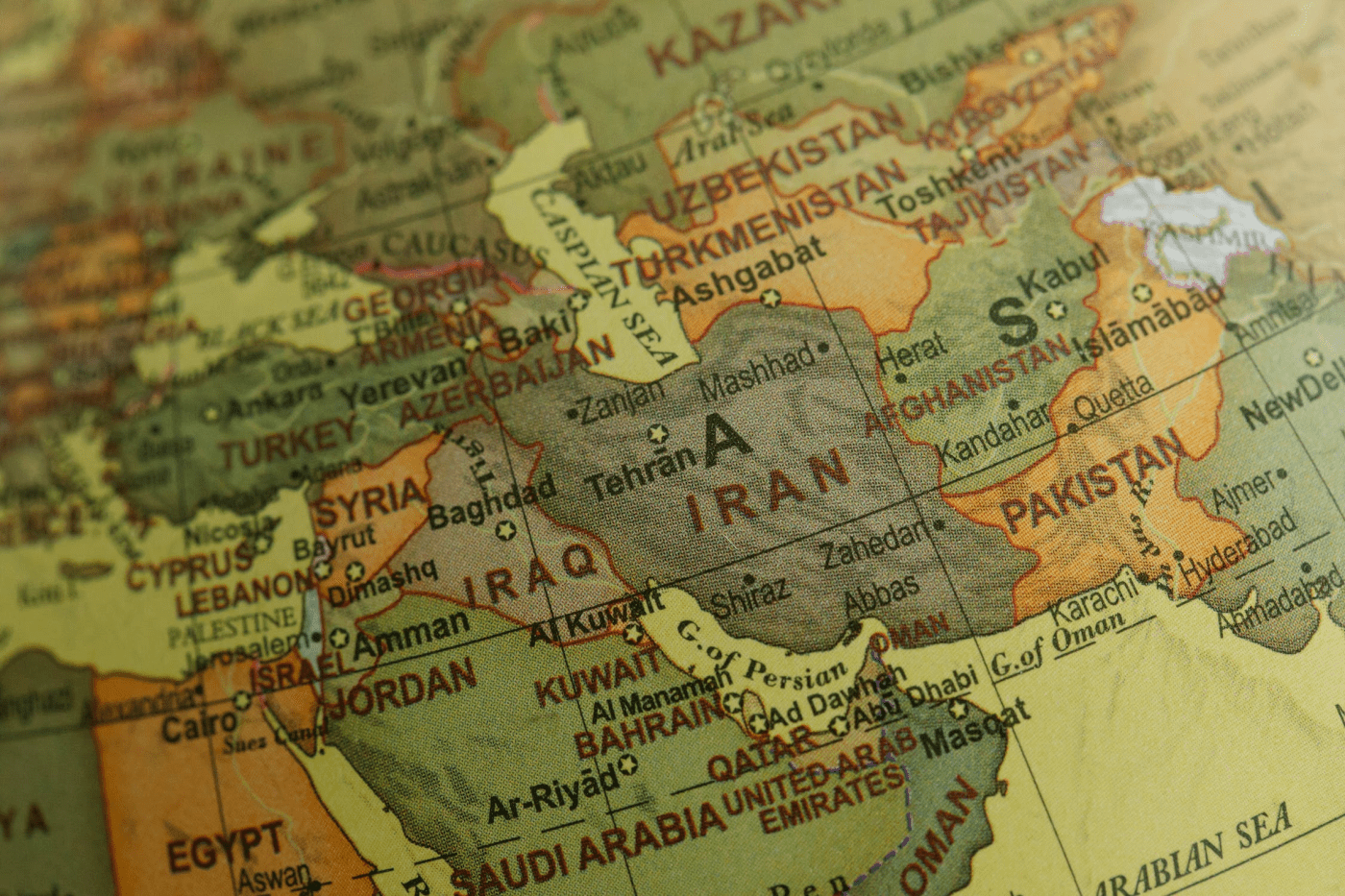
عرفت المملكة العربية السعودية وإيران علاقة متوترة على مدى العقود الماضية، كانت تتأرجح بين حرب بالوكالة إلى محادثات متأنية وتقارب حذر في السنوات الماضية. في هذا السياق، بالكاد توجد علاقات ثقافية على الرغم من الروابط الثقافية التاريخية القوية. كجزء من ”مبادرة الحوار الإيراني السعودي” نظمت مؤسستَي كاربو وستيمسون، وانا اعمل مديرة مشروع في مؤسسة كاربو، ورشة عمل في آب 2022 جمعت خبراء سعوديين وإيرانيين متميزين في مجال الأدب والإعلام والدبلوماسية الدينية وصناعة الأفلام الوثائقية، بالإضافة إلى العديد من خبراء أوروبيين، لمناقشة تحديات وفرص الدبلوماسية الثقافية والتبادل الثقافي بين إيران والسعودية.
العلاقات الثقافية: تحديات أمام إيران والسعودية
يمكن أن تأخذ العلاقات الثقافية أشكالاً مختلفة، من الدبلوماسية الثقافية على مستوى السياسة العامة للدول، إلى التبادل الثقافي على مستوى الشعوب. وأشارت الورشة إلى نقص في كل من هذه العلاقات في حالة إيران والسعودية. تتشكل العوائق التي تعترض العلاقات الثقافية، كما ذكر أحد المشاركين، من بين آخرين: 1) خطاب عام وسياسي يركز على الاختلافات بدلاً من التراث الثقافي والديني المشترك، 2) الافتقار إلى الأماكن حيث يمكن للإيرانيين والسعوديين الالتقاء، سواء كان شخصياً وافتراضياً و 3) الافتقار إلى لغة مشتركة.
على الرغم من هذه التحديات، أكد المشاركون على الدور المهم الذي يمكن أن تلعبه الثقافة في المساهمة في تحسين العلاقات بين البلدين من خلال زيادة التفاهم المتبادل وإعادة تشكيل الصورة السلبية الموجودة عن الآخر بأخرى ايجابية. علاوة على ذلك، يمكن لزيادة العلاقات الثقافية أن تدعم المحادثات السياسية والأمنية الموازية. لتحقيق ذلك، كما ذكر المشاركون، يجب أن تكون العلاقات الثقافية مرتبطة بالسياق السياسي والإجتماعي الذي تحدث فيه ولا ينبغي أن تقتصر على فقاعة اجتماعية أو سياسية أو النخبة من البلدين.
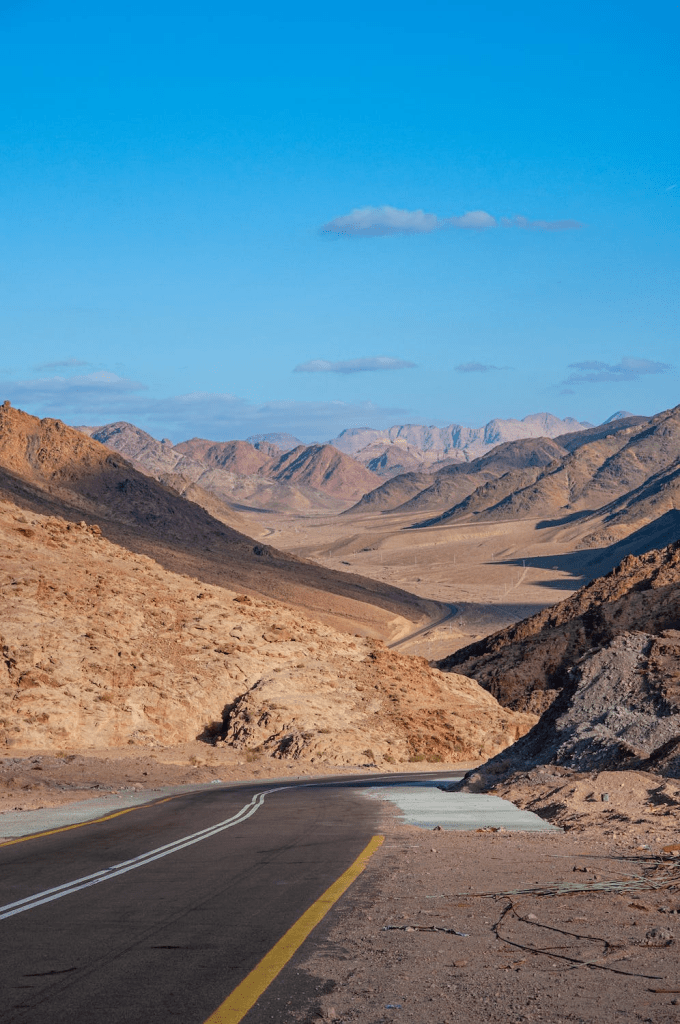
Tabuk, Saudi Arabia: source / تبوك السعودية: مصدر
استكشاف مجالات التعاون الثقافي بين السعودية وإيران
ركزت ورشة العمل على أربعة مجالات للعلاقات الثقافية المحتملة: الأدب والترجمة، وصناعة الأفلام الوثائقية، والإعلام، والدبلوماسية الدينية.
هذا الأول، الأدب، هو وسيلة مهمة التعبير الثقافي في كلا البلدين، لكن التبادل الأدبي ضئيل للغاية. أشار أحد المشاركين إلى حقيقة أنه في حين أن الأدب الفارسي التاريخي محبوب للغاية ويُقرأ في السعودية، فيتمّ النظر إلى الأدب الإيراني الحديث على أنه مسيّس وبالتالي فهو غير منتشر في المملكة. ذكر مشارك آخر أن الأدب العربي المترجم حالياً إلى الفارسية في الغالب له دوافع سياسية أو دينية.
بالنسبة لصناعة الأفلام الوثائقية فهي مثل الأدب يمكن أن تقدم وجهة نظر خارجية حول مجتمع معين. خلال ورشة العمل، تحدث مشارك إيراني عن العمل مع نظيرته السعودية في تطوير فيلم وثائقي عن الحياة اليومية في كلا البلدين. يمكن لمشاريع مثل هذه أن تؤكد على الاختلافات الثقافية ولكنها تعرض أيضاً التشابهات الثقافية. ومع ذلك، تم وصف أشكال التعاون هذه بأنها صعبة التنفيذ نظراً للتحديات التي يواجهها الفنانون من البلدين في الالتقاء ببعضهم البعض.
يمكن لوسائل الإعلام، كما لاحظ أحد المشاركين الإيرانيين، أن تكون جزءاً من العلاقات الثقافية من خلال توفير منصة لعرض ثقافة الآخر. من المهم هنا تحديد اللغة التي يستخدمها الصحفيون، حيث يمكن للغة المعتدلة والدقيقة أن تدعم تهدئة التوترات الإقليمية. ذكر المشاركون أيضاً الموضوعات التي يمكن أن ينشر عنها الصحفيون الإيرانيون والسعوديون بشكل مشترك أو الكتابة عنها في وسائل الإعلام في الدولة الأخرى، مثل الرياضة والتحديات البيئية والمواضيع الثقافية بالطبع.
وأخيراً ناقشت الورشة دور الدين في تعزيز العلاقات الثقافية. إن بناء الثقة من خلال العلاقات الدينية، بدلاً من استخدامها كأداة للاستقطاب السياسي، هي عملية حساسة ويجب القيام بها من خلال الفاعلين المناسبين، كما أكد أحد المشاركين. ذكر المشاركون أمثلة على لقاءات مغلقة بين السلطات الدينية في مكة. على مستوى العلاقات بين الشعوب، فإن التجارب الدينية الإيجابية المشتركة، على سبيل المثال في أداء الحج أو الأعياد الدينية، تعزز العلاقات على مستوى الشعوب.
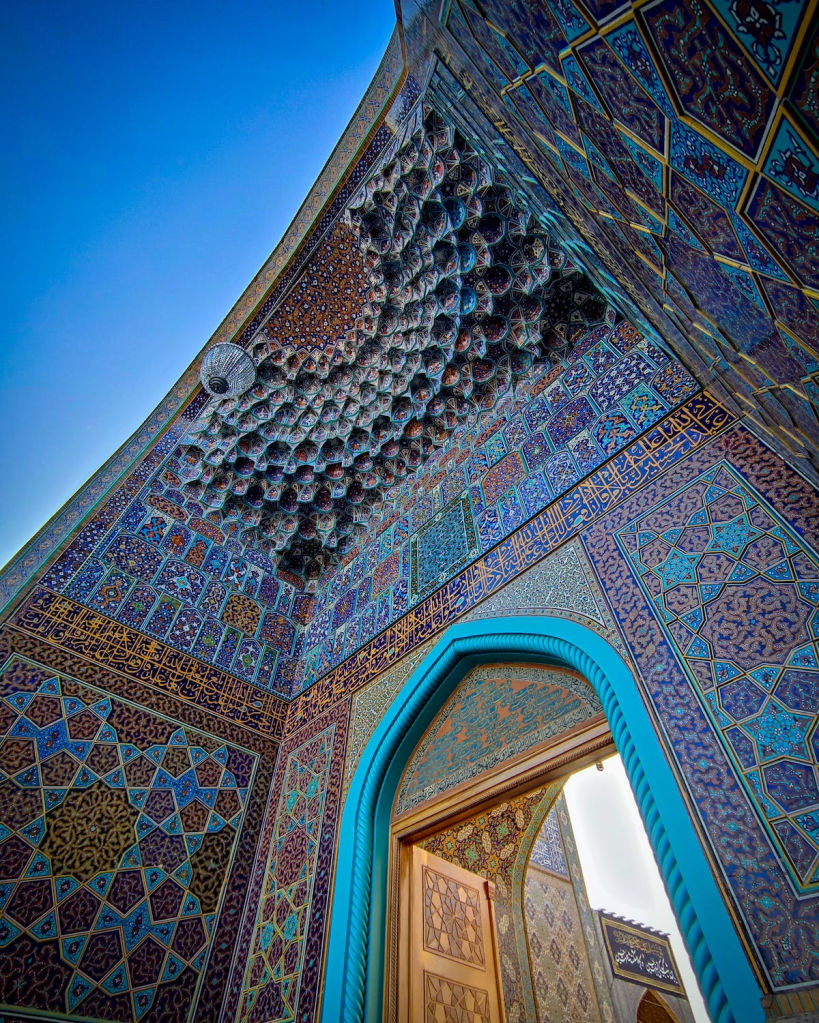
Mashhad, Razavi Khorasan Province, Iran: source / مشهد، محافظة رضوي خراسان، إيران: مصدر
النقاط والتوصيات الرئيسية
خلال ورشة العمل، خرج المشاركون بتوصيات وأفكار مختلفة لصناع القرار السياسي في إيران والسعودية وأوروبا، بالإضافة إلى المنظمات غير الحكومية والجهات الفاعلة في المجتمع المدني:
- إشراك تعددية الأوجه والاندماج الاجتماعي – يجب أن تكون العلاقات الثقافية بين إيران والسعودية جزءاً لا يتجزأ من السياقات الاجتماعية والسياسية في كلا البلدين ولا ينبغي أن تقتصر على النخبة. علاوة على ذلك، ينبغي ربط المبادرات التي تعزز العلاقات الثقافية بمبادرات ثنائية أخرى مثل الحوارات السياسية والأمنية، وألا يُنظر إليها على أنها جهد قائم بذاته.
- دور رواد الأعمال – يجب تحديد الإمكانات الاقتصادية للعلاقات الثقافية، مثل السياحة، واستخدامها كحافز لبدء تبادل ثقافي موسع. على سبيل المثال، توجد في كل من إيران والسعودية مواقع دينية وتاريخية مهمة يمكن أن تجذب السياح إلى جانب المناظر الطبيعية والمدن والقرى القديمة.
- دور الأطراف الثالثة – يُنظر إلى الحكومات الأوروبية، فضلاً عن المنظمات غير الحكومية والمنظمات الثقافية في كل من إيران والسعودية على أنها عوامل يمكن أن تبادر في الحوار الثقافي. يمكنهم توفير الإعداد السري واللوجستي اللازم للإيرانيين والسعوديين للقاء شخصياً أو افتراضياً وتبادل الخبرات والأفكار.
- تشجيع المشاركة في الأحداث الثقافية لبعضهم البعض – يمكن تقديم الإنتاج الثقافي من كل بلد إلى الآخر من خلال المهرجانات والفعاليات الثقافية. في حالة الأدب، يمكن أن تنضم ترجمات من البلد الآخر في معارض الكتب، وكذلك تشجيعها من خلال الجوائز الأدبية أو الترجمة. عندما يتعلق الأمر بالأفلام الوثائقية، يمكن عرضها بالمثل في مهرجانات الأفلام أو تسليط الضوء عليها في وسائل الإعلام في بلد الآخر.
- الترويج للغة دقيقة ومعتدلة في وسائل الإعلام – اللغة الجدلية في وسائل الإعلام هي أحد العوامل الرئيسية التي تشكل المشاعر تجاه المجتمع الآخر. لذلك، يجب تشجيع وسائل الإعلام والأفراد العاملين في هذا المجال على استخدام لغة شاملة وغير عنيفة عند الحديث عن بعضهم البعض. قد تدعم الكتابة المشتركة هذا الهدف.
- استخدام التراث التاريخي والثقافي كعامل موحد – يمكن إعادة النظر في تاريخ المنطقة بطريقة تخلق شعوراً بالوحدة بدلاً من الانقسام. يمكن القيام بذلك على سبيل المثال من خلال الإشارة إلى الشخصيات التاريخية المجيدة المشتركة بين السعودية وإيران، مثل أبو حامد الغزالي والنحوي سيبويه.
- توفير مساحة للأقليات والجماعات الممثلة تمثيلا ناقصاً في العلاقات الثقافية – لا تزال مجموعات مثل الشباب والأقليات الدينية والعرقية والنساء ناقصة التمثيل في مجال العلاقات الثقافية. إن إدراج وجهات نظرهم وسردياتهم له أهمية قصوى لكي تعكس بشكل شامل مجتمعات كل من إيران والسعودية.
تابعوا ديزيري على تويتر @desicusters
Cultural Exchange and the Prospects for Inter-societal Relations Between Saudi Arabia and Iran
This article was written by myself and Mirjam Schmidt, program manager at CARPO. It also appeared on the Stimson Center and CARPO website. Click here to read the full policy brief
Introduction
Saudi Arabia and Iran have known a contentious relationship over the past decades that fluctuated between proxy-conflict to careful talks and rapprochement in the last years. Within this context, cultural relations scarcely take place despite strong historically cultural ties. As part of the ongoing ‘Iran-Saudi Dialogue Initiative’, Stimson Europe and CARPO, where I work as project manager, hosted a workshop in August 2022 that brought together distinguished Saudi and Iranian experts from the field of literature, media, religious diplomacy, and documentary filmmaking, in addition to several European experts, to discuss the challenges and opportunities of cultural diplomacy and cultural exchange in the case of Iran and Saudi Arabia
Cultural relations: challenges to Iran and Saudi Arabia
Cultural relations can take different forms, from cultural diplomacy on the public policy level of states, to cultural exchange at the people-to-people level. The workshop pointed to a lack of both in the case of Iran and Saudi Arabia. Obstacles to cultural relations, as one participant mentioned, are formed among others by; 1) a public and political discourse focused on differences rather than shared cultural and religious heritage, 2) the lack of physical and virtual places where Iranians and Saudis can meet, and 3) the lack of a shared language
Despite these challenges, participants emphasized the important role culture can play in contributing to better relations between the two countries by increasing mutual understanding and reshaping the negative image that exists of the Other. Increasing cultural relations can further support parallel political and security talks. To achieve this, as the participants mentioned, cultural relations should be related to the political and social context they take place in and should not be confined to a social or political bubble or the elite of the two countries
Exploring fields of cultural cooperation between Saudi Arabia and Iran
The workshop focused on four areas of potential future cultural relations: literature and translation, documentary filmmaking, the media, and religious diplomacy
This first, literature, showed to be a respected form of cultural expression in both countries, yet literary exchange is minimal. One participant referred to the fact that while the historical Persian literature is much loved and read in Saudi Arabia, modern Iranian literature is perceived as politicized and thus not widespread in the Kingdom. Another participant mentioned that the Arabic literature that is currently translated to Persian is mostly politically and/or religiously motivated
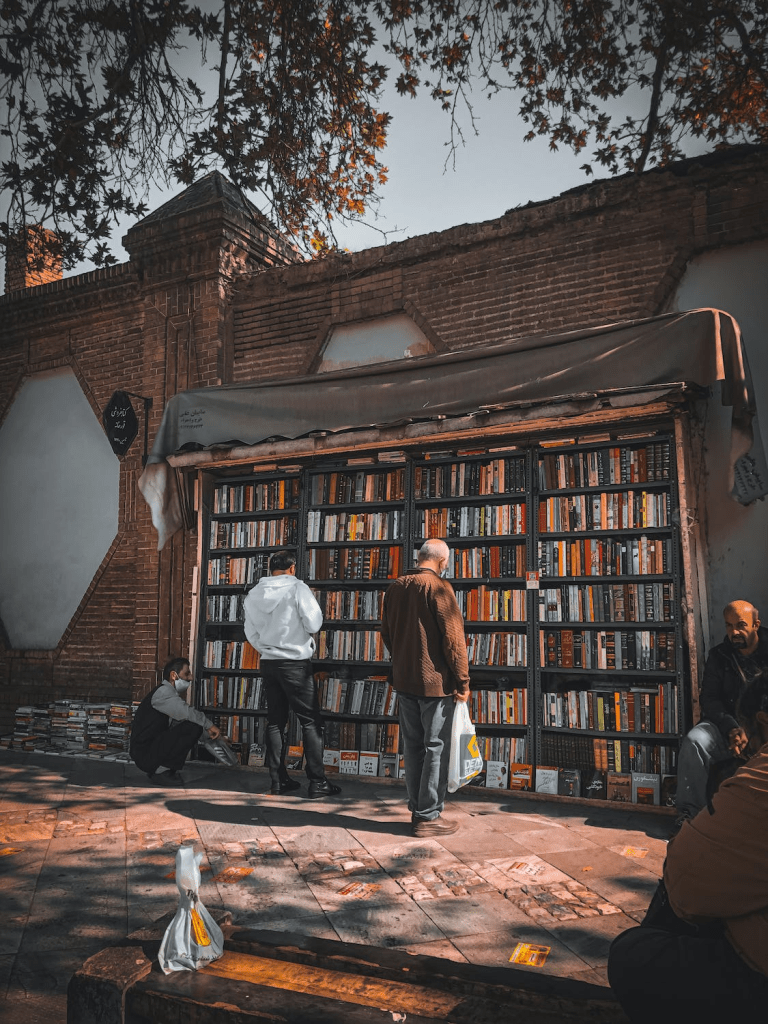
Books in Teheran, Iran: source / كتب في تهران، إيرن: مصدر
Documentary filmmaking, like literature, can offer the outsider a view on a specific society. During the workshop, one Iranian participant talked about working with a Saudi counterpart in developing a documentary-film on everyday life in both countries. Projects like this can emphasize cultural differences but also display cultural commonalities. Such forms of cooperation, however, were described as difficult to implement given the challenges for artists from the two countries to meet
Media, as one Iranian participant noted, can be part of cultural relations by providing a platform to present the Other’s culture. Here it is highly relevant what language is used by journalists, as moderate and nuanced language can support de-escalation of regional tensions. Participants also mentioned topics on which Iranian and Saudi journalists could publish jointly or write about in the other country’s media, such as sports, environmental challenges, and of course cultural themes
Lastly, the workshop discussed the role of religion in fostering cultural relations. To build trust through religious relations, rather than use it as a tool for political division, is a delicate process and needs to be done by and through the right actors, as one participant emphasized. Participants mentioned examples of closed-door meetings in Mecca between religious authorities. On a people-to-people level, positive (shared) religious experiences, for example in performing the Hajj or religious holidays, strengthens relations at the people-to-people level
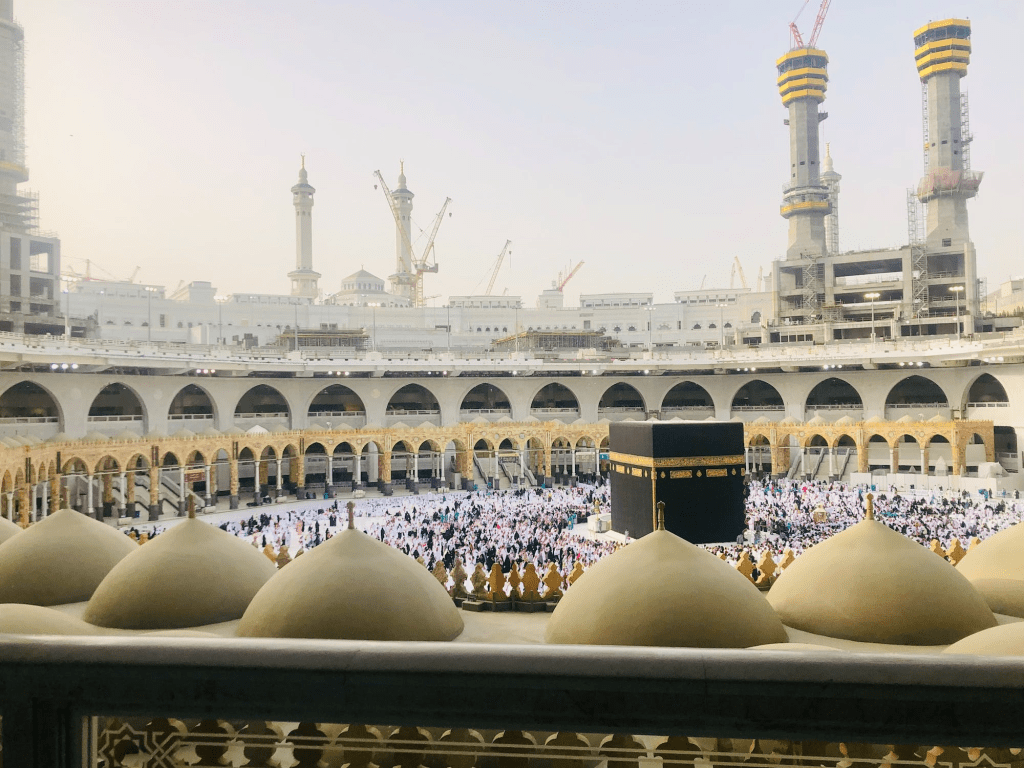
The Kabah: source / الكعبة: مصدر
Key takeaways and recommendations
During the workshop the participants came up with different recommendations and ideas for political decision-makers in Iran, Saudi Arabia, and Europe, as well as for and NGOs and civil society actors
Multi-facetted and socially embedded engagement – Cultural relations between Iran and Saudi Arabia should be embedded in the social and political contexts of both countries and should not be confined to an elite. Initiatives fostering cultural relations should, furthermore, be connected to other bilateral initiatives such as political and security dialogues, and not viewed as a stand-alone effort
Role of entrepreneurs – The economic potentials of cultural relations, such as tourism, should be outlined and utilized as an incentive to initiate broadened cultural exchange. For example, in both Iran and Saudi Arabia highly important religious and historical sites are located that could attract tourists alongside natural landscapes and ancient cities and villages
Role of third parties – European governments, as well as NGOs and cultural organizations are viewed in both Iran and Saudi Arabia as welcomed enablers of (cultural) dialogue initiatives. They could provide the confidential setting and logistics needed for Iranians and Saudis to meet (in-person and/or virtually) and share experiences, insights, and ideas
Encouraging participation in each other’s cultural events – Cultural output from each country could be introduced to the Other through festivals and cultural events. In the case of literature, translation of publications from the respective other country could feature in book fairs, as well be encouraged through literary or translation awards. When it comes to documentary films, these could similarly be shown in film festivals or highlighted in media-outlets in each other’s country
Promote nuanced and moderate language in media – Polemic language in media is one of the key factors shaping sentiments about the other society. Therefore, media outlets and individuals working in the field should be encouraged to use inclusive, non-violent language when talking about each other. Featuring authors or cooperating on pieces might support this aim
Use historical and cultural heritage as a unifying factor – The history of the region could be reconsidered in a way that creates a sense of unity rather than division. This can for example be done by referring to glorified historical figures shared between Saudi Arabia and Iran, such as the polymath Abu Hamid al-Ghazali and the grammarian Sibawayh
Provide space for minorities and underrepresented groups in cultural relations – Groups like youth, religious and ethnic minorities, and female stakeholders continue to be underrepresented in the field of cultural relations. The inclusion of their perspectives and narratives is of paramount importance to thoroughly mirror the societies of both Iran and Saudi Arabia
Desiree tweets via @desicusters
 issabramil.com