
For English scroll down
عند وصولي إلى عمان، الأردن، قال لي كثير من الناس إن افضل وأرخص طريقة للسفر داخل المدينة هي اوبر، كريم، أو التاكسي. ولكن أسعار وسيلة النقل هذه إلى عملي (9 كيلو) كانت أكثر مما توقعت. لذلك بحثت عن بديل.
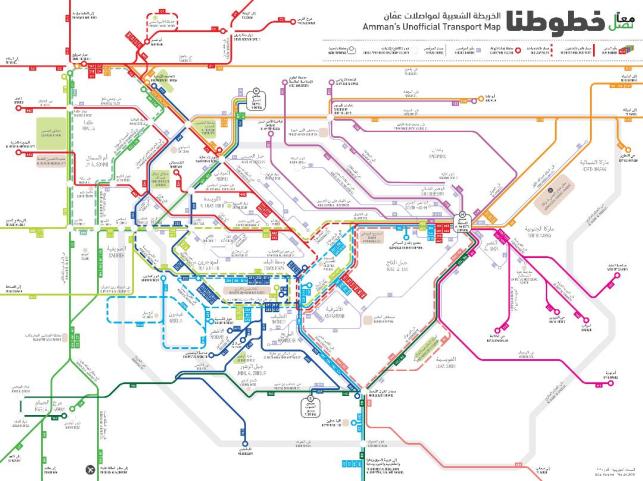
ووجدت في الانترنت “خارطة غير رسمية” لوسائل النقل العام في عمان وحددت أفضل طريقة إلى عملي. كل صباح حاولت أن أركب الباص. لماذا أقول “حاولت”؟ لأني في البداية حاولت أن أخذ الباص حوالي الساعة 8:30. نزلت من بيتي في اللويبدة في الصبح 1 كيلو إلى الشارع الرئيسي، شارع الأمير محمد، وإنتظرت… ولكن لا تمرّ الباصات في توقيت محدد، وليس لديها محطات محددة أيضاً. فالباص الذي يمرّ حوالي الساعة 8:30 كثيراً ما لا يقف لأنه ممتلئ. أخذت فترة حتى إكتشفت إن الباص حوالي الساعة 9:00 هو الإحتمال الأفضل
لقد قال لي شريكي في البيت في عمان، اشرف شطناوي، إن عادة الناس ذوي الدخل المحدود يستقلون الباص. وأغلبهم نساء آسيوات ومصريين. مرة، حينما كنت أنتظر الباص في الصبح، تعرفت على شاب سوداني وإمرأة سيريلانكية، الإثنان جاءا إلى عمان من أجل الشغل. سكنت السيريلانكية في البناية مقابل محطة الباص المتخيلة حيث عاشت مع ناس آخرين من آسيا واثيوبيين وسودانيين.
ما لبث أن أصبحت الوجوه مألوفة. يمرّ الباص من حيث أركبه في شارع الأمير محمد إلى المنطقة الغربية عبدون. سكان هذه المنطقة بالأغلب أغنياء، وأغلب النساء الآسيويات ينزلْن فيها. في عبدون توجد أيضاً السفارة الأمريكية محاطة بالدبابات والحراس وإشارات مكتوب عليها “ممنوع التصوير”. يستمر الباص إلى الدوار الخارجي للمدينة وبعدها إلى المنطقة الصناعية حيث تكثر محلات تصليح السيارة وأيضاً مكتبي. هناك ينزل كل الرجال وأكثرهم يشتغلون في محلات تصليح السيارات.
فكيف ينزل الواحد من الباص إذا ما في هذه محطات المتخيلة؟ بسيطة! فقط تقول للسائق: “يعطيك العافية” أو “نازل(ة)” فيقف السائق. خلال إلتقاط المسافرين يتكوم الرجال في الوراء والمسافرات في الأمام قريب من السائق.
حدثت عدة مرات إن السائق توقف فجأة. في أحد المرات توفق الباص وكان مملؤاً. أنتظرنا بدون أن نعرف السبب بينما كان السائق يتكلّم على الهاتف. ثمّ سأل أحد الراكبين: “يا حج، ليش واقف؟”. وردّ الحج: “ما بقدر اشوف!” ونزلنا الباص واستمرينا مشياً.
وفي أحد المرات الآخرى صفّ السائق السيارة على جانب الشارع وقف على كرسيه صارخاً:
مين من الشباب ولع سجارة؟!؟
ردّ صوت مجهول:
يا معلم، ما حد بيدخن
صرخ السائق بصوت أعلى من ذي قبل:
لا حدا يجاكرني! يا شباب، الباص مليان، إحترموا البني آدمين! ما منطلع حتى تطفوا السجارة
ومع إن هذا السائق بالذات إحترم الإشارة في الباص التي تقول “لطفاً عدم التدخين”، فليس من النادر أن تجد سواقاً يدخنون في الباص.
عندما أركب الباص بعد الشغل يكون فارغاً ويملأ في نفس الأماكن حيث أفرغ في الصباح. أولاً الرجال بناطيلهم مغطاة ببقع النفط. وثمّ في عبدون النساء الآسيويات اللاواتي يتحدثْن لغة غير مفهومة لي. أنزل من الباص عند الدوار الثالث وأمشي كيلميترين إلى بيتي في اللويبدة.
وهذا الطريق تأخذه أحياناً أيضاً السيريلانكية التي تعرفت عليها من قبل. في أحد الأيام،وكان يوم خميس، مشينا مع بعض. تكلمَت عن شغلها: شغل منزلي عند عدد من العائلات، كل يوم عائلة ثاتية. عزمَتني للشوربة في شقتها وقبلتُ الدعوة بكل سرور. صعدنا درجاً مظلماً وفي الطابق الأعلى فتحَت باباً إلى شقة فسيحة فيها ضوء ساطع وعلى الارض بلاط أبيض ناصع مثل العاج مناقضاً اللون الرمادي للإسفلت وللإسمنت في الخارج. تعيش هناك مع زوجها وبنتها وإبنها. “عمان مدينة جميلة”، قالت: “في سيريلانكا لا أستطيع أن أمشي إلى البيت من الباص في هذه الساعة. إنه خطير. ولا أستطيع أن اعيش في شقة مثل هذه الشقة.” ومع كل الأمان في عمان، فزيارتي إليها إنتهت بأن أعطتني ديناراً للتاكسي إلى البيت.
السبب الأول لأخذ الباص كان سبباً إقتصادياً. ولكن السفر بالباص أيضاً جعلني أشعر إنني بين الناس وإنني فعلا واحدة من سكان المدينة. عبر الباص رأيت البُعد المحلي واليومي للمدينة بطريقة أمنة وسهلة. لم تحدث معي ظروف غير مريحة مع سواق التاكسي أو أوبير كما وصفت لي عدد من زميلاتي ولم أكن خائفة أبداً لانني عرفت أنه إذا حاول شخص شيء معين في الباص، فيوجد كثير من الناس يساعدونني. فلذا، أنصح الذين يريدون أن يسافروا إلى الاردن أن يستخدموا الباصات في سفرهم إذا كانت لديهم الفرصة
تابعوا ديسيري على تويتر @desicusters
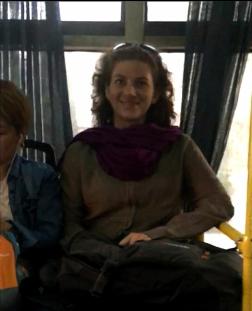
me in the bus/ انا في الباص
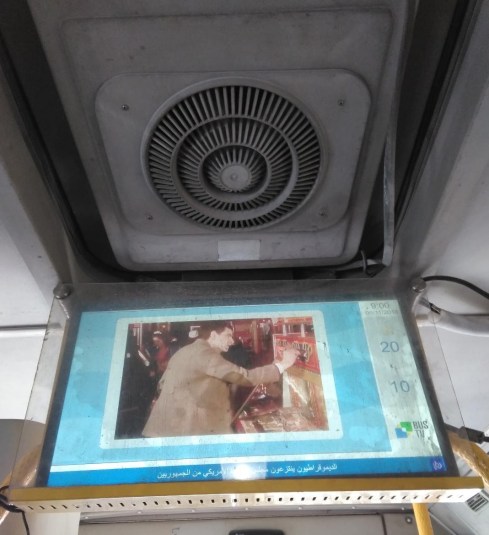
video of Mr. Bean in the bus/ فيديو لميستر بين في الباص
When I first arrived in Amman, Jordan, many people told me that the easiest and cheapest way to move around in the city is by Uber, Careem, or taxi. However, the costs of this means of transportation to my work and back (9 km) was more than I excepted. So was set on finding an alternative.
And I did. I found online an “unofficial bus-map” of the city and figured out the best route to my office. Each morning I strived to take that bus. Why ‘strived’? Well, I first tried to take the bus around 8:30. In the mornings I walked 1 km downhill from al- Weibdeh to the main street and waited. The busses do not ride according to a fixed time-schedule, nor does it have fixed stops. The bus of around 8:30 often does not stop because it is full. It took me a while that the one around 9:00 is a better option.
My housemate had already told me that only the less fortunate take the bus, mostly Asian women and Egyptian men. Once, waiting for the bus in the morning, I met a young Sudanese man and a women from Sri Lanka, who both came to Amman to work. The Sri Lankan women lived in the building opposite of the improvised bus-stop, together with other Asian, Ethiopian and Sudanese tenants.
It did not take long before the faces in the bus became familiar to me. From where I get on at Prince Mohammed Street the bus goes to the Western part of Amman (Abdoun) which is considered a wealthy neighbourhood. This is where all the Asian women get off and go to work. The neighbourhood also houses the American embassy, complete with tanks and guards and surrounded by signs saying ‘No Photograph’. The bus continues to the outer ring of Amman and the industrial area (al- Senaah). This is where many of the men get out because they work in the many, many body shops. That is also where my office is.
Now how does one get off the bus if there are no stops? Simple. Say to the driver: ‘Yaʿtiik al- ʿaafiyeh’, meaning ‘thank you’, and he stops. When picking up the passengers the men often conglomerate in the back while the women pile up in the from near the driver. It happened a few times that the driver suddenly stopped. Once, the driver stopped while the bus was full. Without knowing what was going on we waited for a few minutes while the driver was on the phone for a while. Then one of the passengers asked the driver what was up. He answered: ‘I cant see anything anymore!’. We got off and walked the rest of the way.
Another time, the drivers stopped, he climbed on his chair and yelled:
‘Which one of you lit a cigarette! The bus is full, have some respect for the people!’
To which an anonymous voice in the back answered: ‘No sir, nobody lit a cigarette’
‘Do not argue with me! We are not moving until the cigarette is put out!’, he screamed back after which he sat down on his chair again.
Although this particular driver respected the no-smoking in the bus, it is not rare to find drivers who themselves smoke.
When I take the bus on the way back it is empty, filling up at the same places where it emptied in the morning. First the men their pants covered in black oil. Then in Abdoun al the Asian women who amongst each other speak a language unfamiliar to me. I get out at the ‘third circle’ and walk 2 km back to my house.
The same road the Sri Lankan lady I met before sometimes walks. We walked back together once on a Thursday and talked about her work: household in multiple families during the different days of the week. She invited me up for some soup in her apartment. I gladly accepted her offer and we walked up the dark stairwell. Op the top floor she opened the door to a spacious apartment with bright indoor light and ivory white floor tiles that contrasted starkly with the grey of the outside concrete and the asphalt where. She lived there with her husband and two of her children. ‘Amman is a nice city’, she said: ‘In Sri Lanka I would not walk home from the bus at this hour. I is to dangerous. And I could have also never lived in a house this nice’. Despite the safety in the city my visit to her ended with her giving me a dinar for a taxi-ride home.
My motivation to take the bus was based on financial reasons. But it also let me be ‘between the people’ allowing me to see a very local and daily aspect of the city in a safe and easy way. As such I very much felt as being one of its inhabitants. I did not experience any uncomfortable situations in the bus as some female friends described they had with male taxi and Uber drivers and I was never afraid because I knew that if anyone would try anything there were many who would help me. Thus, I advise any future travelers to Jordan to use public transportation if they have the chance to.
Desiree tweets via @desicusters
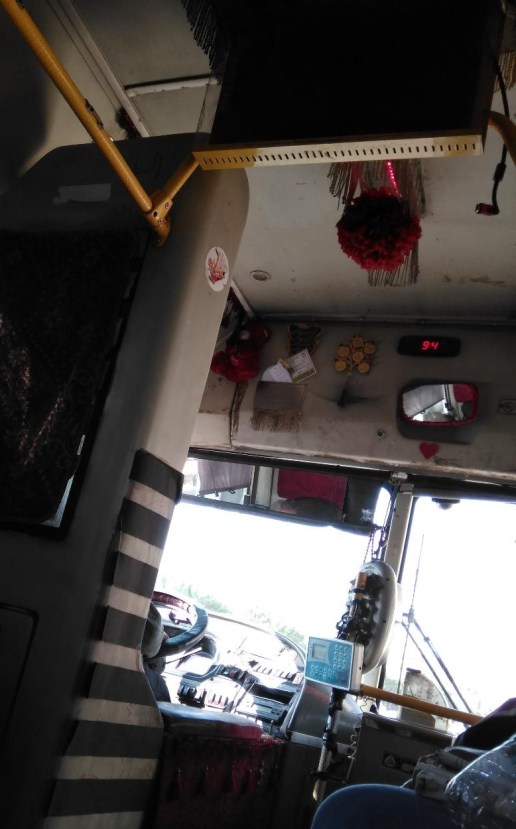
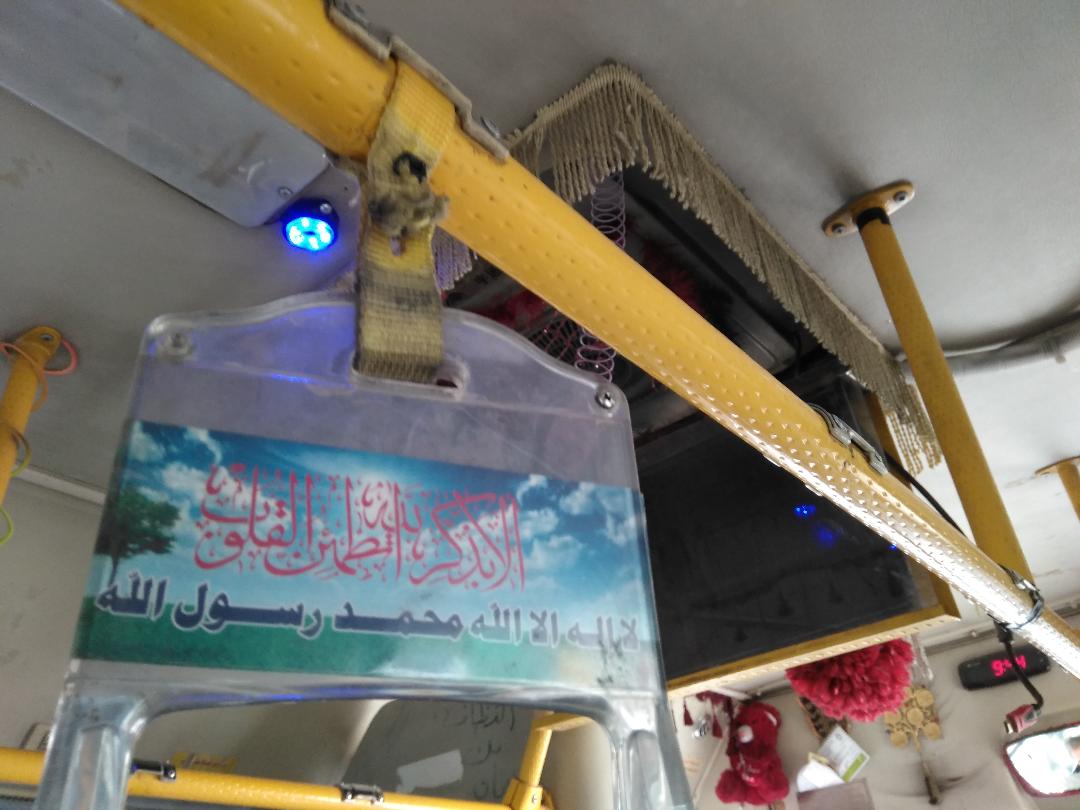
A decorated bus/ باص مزين
 issabramil.com
Very nice
إعجابإعجاب