

For English scroll down
أفكار حول وضع ‘المنفى في البيت’ خلال وباء كورونا
هذه أول مقالة أكتبها عن تبعات وباء كورونا ووضعنا الحالي. هل أنا متأخرة في كتابتي هذه؟ لا أظن، لأننا سوف نسمع عن تبعات الوباء في العقود القادمة، ولذا هناك وقت كافٍ للكتابة عن الموضوع
منذ وقت طويل يثير موضوع المنفى إهتمامي. سكنت في عدة بلدان أفريقية في طفولتي قبل انتقالي إلى هولندا عندما كان عمري تسع سنوات، وكثيراً ما أفكر في كيفية تأثير الانتقال وتغيير مكان العيش على شخصيتي وهويتي الإجتماعية. وعندما بدأت بِقراءة الأدب العربي، أصبحت أفكر أكثر حول موضوع المنفى لأني أقرأ بشكل دائم قصصاً وروايات حول تجربة المنفى وعلاقتها بتشكيل الهوية العربية، سواء على المستوى الشخصي والعالمي تجاه الوطن الأصلي
تشير الكلمة ‘منفى’ بشكل عام إلى النفي من البلد الأصلي، معظم الوقت لأسباب سياسية أو كنوع من العقاب. وايضاً بسبب الحروب، التي كثيرا ما تحول البلد الوطني إلى آلة رهيبة تأكل مواطنيها وتبصقهم. إلى وحش مدمر اختفت منه أي لمسة حب أو حنان ماضٍ
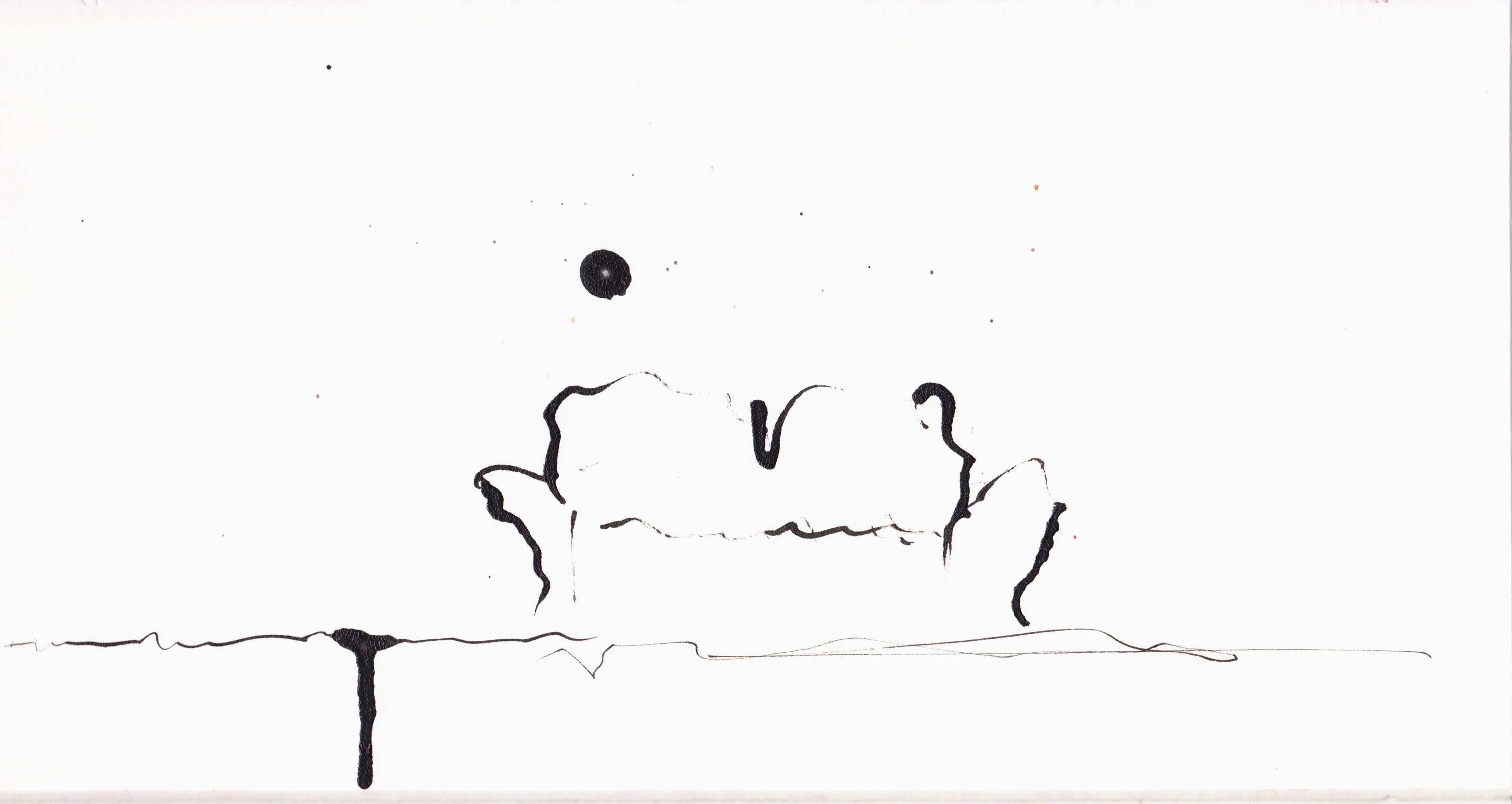
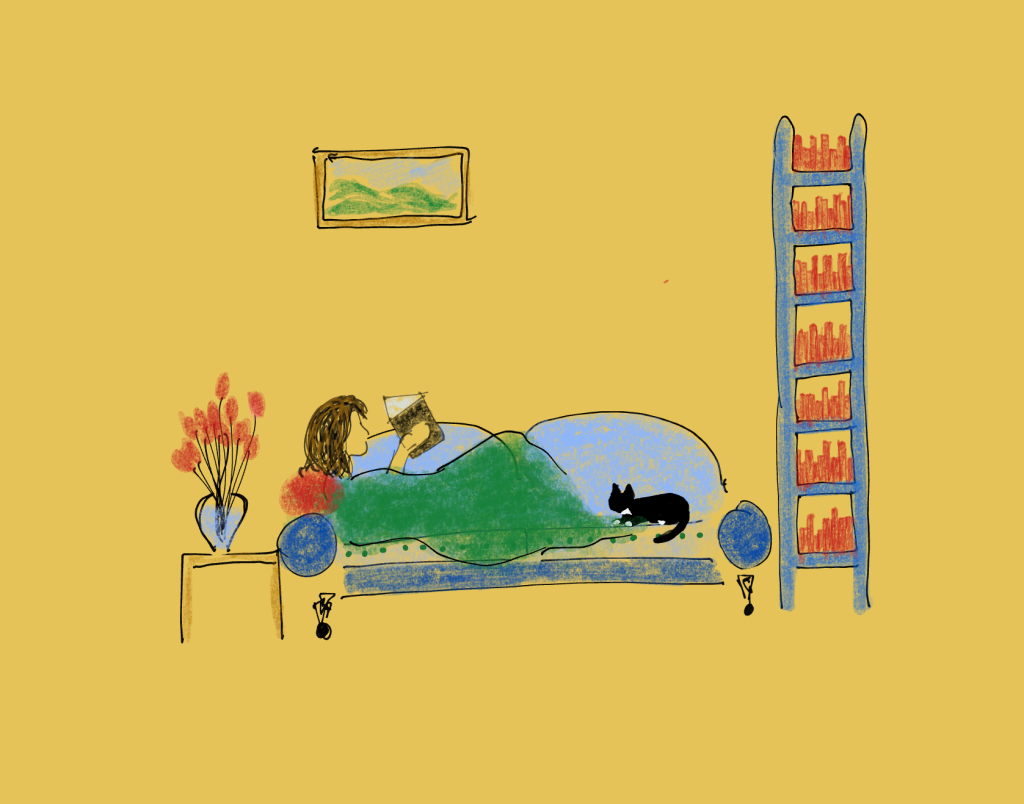
ولكن خلال وباء كورونا، أصبحت أرى إبعادنا عن نشاطاتنا الإجتماعية و إمكانياتنا المحددة للتنقل كنوع من المنفى الداخلي، بدلاً من المنفى في الغربة. حرماننا من كثير من النشاطات في بلدنا يشبه المنفى في الغربة، ولكننا مازلنا في بلدنا. كمجموعة، نشعر بالحنين إلى الماضي (الذي سيعود). هو نوع من المنفى المعاكس: المنفى في البيت وليس عن البيت
حول الشوق
عبر علاقاتنا الإجتماعية المستمرة نستطيع أن نعطي معنى لأنفسنا و للأشخاص والأشياء الملموسة حوالينا. مثل المنفى في الغربة، يحرمنا الوضع الحالي تحت وباء كورونا إلى حد ما من الإتصال بمجموعة كبيرة من الناس والعالم بشكل عام. وهذا ما يصعّب حياتنا ككائن اجتماعي. تأثير الوباء في الكثير منّا كالشعور بالوِلتْ شْمِرس (حزن أو كآبة عن الدنيا)، وهي الكلمة الألمانية المرتبطة بالأدب الرومانسي التي تصف حالة من الحزن والاكتئاب والتشاؤم حول وضع العالم والرفض أو عدم القدرة للتكيّف مع الواقع [1]
ولكن صفات ‘المنفى في البيت’ ليست فقط عدم إمكانية التنقل والسفر والاتصال بالعالم الخارجي. بل أيضاً عدم تمكننا من الحزن على ما فقدناه
عندما كان أوديب على وشك الموت في المنفى، قال لصاحبه ثيسيوس ألاّ يخبر أحدا، خصوصاً بناته، عن مكان قبره وبفعله ذلك حرم أحبابه من مكان للحزن وجعل معاناتهم أكثر صعوبة و قسوة [2]. أنتيجونه، أحدى بناته، حزنت لأنها حُرمت من مكان حزنها، و بكت لأنها حُرمت من مكان ممكن أن تبكي فيه
المنفي في هذه القصة ليس لديه مكان مادي لحزنه. ولكن ماذا عن المنفيين في بيوتهم ؟ أين يحزنون أم على هذا الحزن أن يكون بدون دموع؟ تبدو أيامنا عبارة عن تكرار، وطبيعة الوباء تطالب الصبر، وليس الإحتجاج
العزاء في الموسيقى والأدب
لدى الكثير من المنفيين في الغربة، يشكل الأدب والموسيقى وسيلة لهوية وذكريات مشتركة وارتباط بالوطن الأصلي. للذين في المنفى في البيت، المنفى المعاكس، قد توفّر الموسيقى والأدب وسيلة للتواصل مع العالم الخارجي، بالإضافة إلى مكان للتعبير عن الحزن. على أيّ حال هذا صحيح بالنسبة لي
كتب المثقف والفنان والكاتب الرائع جون برجر (1926-2017) عن الموسيقى: “الإيقاع، النبض، الحلقات، تكرار الأغنية تبني ملجأ من تدفق الزمن الخطي: ملجأ حيث يمكن للمستقبل والحاضر والماضي أن تعزي وتثير وتسخر من وتوحي بعضها البعض” [3]. بالنسبة لي، الموسيقى من البلدان حيث قضيت طفولتي تدل على ملجأ، وأيضاً على جسر إلى ماضيّ والعالم الخارجي الذي لا أستطيع السفر إليه حالياً. على سبيل المثال هذه الأغنية “لواندا نبولو” للمغني بونجا (1942-)، التي تذكرني بحياتي في أنغولا
أستمع إلى الموسيقى لكي اسمع اللغات التي كانت حوالي زمان. لكثير من المنفيين في الغربة، اللغة هي وطنهم المتبقي. المنظرة السياسية و الفيلسوفة الألمانية حنة آرندت (1906-1975) تأملت في أهمية اللغة لها وهي في المنفى، وقالت إنها لم تشعر أنها ألمانية، إلّا عندما تكلمت اللغة الألمانية [4]. ولكن للذين في المنفى في بيتهم، سماع لغات جديدة يمكن أن تقدّم تجربة جديدة وأن تكسّر المنفى الداخلي والمنفى المعاكس
اللغة، عبر الأدب، يمكن أن توفّر أيضاً العزاء في منفانا البيتي، ليس لأنه رابط بالوطن الأصلي (مثل المنفى في الغربة)، بل لأنه رابط بالعالم الخارجي. الأدب حبل نجاة ورابطنا ببلدان أخرى
مثل المنفى في الغربة، توفّر الموسيقى و الأدب مكاناً للحزن وللذكريات المشتركة. في الوضع الحالي الذي يعيشه الكثير منا والذي وصفته بالمنفى المعاكس، توفر الموسيقى و الأدب إمكانية لخلق ذكريات جديدة وللتواصل بالعالم الخارجي. أنهما يوفران أملاً
أُنهي المقالة باقتباس للأديب واللغوي والناقد أبو المنصور الثعالبي (350 – 429 هـ، 961 – 1038م) على أن نفهم مجازية ” المال” وليس حرفيّته
الفقرُ في أوطانِنا غُربةٌ والمالُ في الغُربةِ أوطانُ
من: “عبد المنصور الثعالبي الظرائف واللطائف واليواقيت في بعض المواقيت”، جمعها أبو نصر المقدسي، تحرير ناصر محمدي محمد جاد، القاهرة 2006 [1477] 335، 3
تابعوا ديسيري على تويتر @desicusters
Reflections on the pandemic as exile in the home
This is the first post I will write about the effects of the current pandemic. Am I late to the party? Not really, for the pandemic will be remembered for decades to come, so there is still plenty of time to write about the phenomenon
The topic of exile has long been one of my main interests. Having spent my childhood in several different African countries before moving to The Netherlands at the age of nine, I have spent much time thinking about how changing my environment shaped my personal and social identity. Learning about Arab literature has led me to think even more about exile, as I continuously read about experiences of exile interplaying with the Arab identity, both on an individual level as well as in relation to the home country
The term exile commonly relates to a banishment from one’s native country, typically for political or punitive reasons. But also due to war, which changes one’s homeland into a terrifying machine that swallows its citizens whole and spits them out. A ravaging monster in which any sign of past love and tenderness has disappeared
However, during the pandemic, I have come to see our exclusion from social activities and limited movement as a form of ‘exile in’, rather than exile from. We are barred from many activities in our native country, much like the traditional definition of exile. Only we are still in that country. As a collective, we have a nostalgia for what has been (and what will return). It is an inverted exile within a space: an exile in our homes, not from our homes
On Missing
It is through our continued social contact that we give meaning to ourselves and to the people and materials around us. Similar to exile from the home, our current condition in the pandemic to a large extent deprives us from connecting to our wider community and the world at large, making it a challenge to relate to our social being. The pandemic has led many into a state of Weltschmerz, (German for ‘world grief/ weariness’), a prevailing mood of melancholy and pessimism about the condition of the world and the refusal or inability to adjust to reality. It is typically associated with Romanticism. [1]
But it is not just our inability to move, travel and connect to something ‘outside’ that shapes our ‘exile in home’. It is also our inability to mourn over what we miss
When Oedipus was close to dying when he was in exile, he instructed his friend Theseus to tell no one, especially not his daughters, where his grave was. By doing so, he deprived his loved-ones from a place to mourn, and made their suffering heavier. [2] Antigone, one of his daughters, mourned because she was deprived of a place to mourn and cried because she is deprived of a place to cry
The exiled in this story has no physical place for their grief. But what about those exiled in their homes. Where do they mourn? Or is our mourning supposed to be tearless? Our days seem to be a repetition of each-other, and the nature of the pandemic asks patience, rather than protest
Solace in Music and Literature
For many who are exiled from home, literature and music is a medium for a shared collective memory and identity of the homeland. For those who are exiled in home, in an inverted exile, music and literature can provide a means to connect to the wider world, as well as a sight for grief over our current condition. This has at least been the case for me
The influential intellectual, artist, and incredible writer John Berger (1926-2017) wrote about music: “the tempo, the beat, the loops, the repetitions of a song construct a shelter from the flow of linear time: a shelter in which future, present and past can console, provoke, ironize and inspire one another.”[3] For me, music from the countries I lived in as a child mean shelter as well as a bridge to my past and the wider world that I cannot travel to at the moment. This song “Luanda Nbolo” by Bonga (1942-), for example, reminds me of the years I spent in Angola
I listen to music to hear the languages I used to hear around me. For many people in exile, language is their left over homeland. The political theorist Hannah Arendt (1906-1975), for example, reflected on the importance of the German language for her when living in exile and stated that she did not feel German, except for her language [4]. But for those exiled in their home, listening or learning to new languages can break open their inverted exile
Language, through literature, can also offer us solace in our home-exile by doing the opposite of what it does for so many of those exiled from home: not because it is our connection to our homeland, but because it is our connection to the outside. It is our connection to other countries, a link that breaks our exile-in-space
Much like the traditional form of exile, music and literature offer a place to mourn and a place for shared memories. In the current conditions that many of us face, which I describe as an inverted exile, music and literature provide the space to make new memories and to connect to the world and wider community. They offer hope
To end let me quote the writer Abu Mansour al-Tha‘alibi, who lived from 961 to 1038
Poverty in our homes is exile
and wealth in exile is home. [5]
Desiree tweets via @desicusters
Sources
[1]
“Weltschmerz.” Britannica Academic, Encyclopædia Britannica, 20 May. 2015
[2]
Jaques Derrida & Anne Dufourmantelle. 1998. Over Gastvrijheid. Vertaald door Walter van der Star, Boom Uitgevers: Amsterdam, p. 78
[3]
John Berger. 2016. Confabulations. Penguin Books: London, p. 96
[4]
Hannah Arendt. 1996. “Fernsehgespräch mit Günter Gaus.” In Ich will verstehen, München: Piper, p. 58-9 and “Günter Gaus im gespräch mit Hannah Arendt” (1964) Zur Person (See also the interview on YouTube below, minutes 37:17-
[5]
verse 1 of 2, “ʿAbd al-ʿAzīz al-Thaʿālibī: al-Ẓarāʾif wa-l-Laṭāʾif wa-l-Yawāqīt fī baʿḍ al-Mawāqīt”, gathered by Abū Naṣr al-Maqdisī, ed. Muḥammad Jād, N. M., Cairo 2006 [1477] 335, 3
Found and translated in: Beatrice Gruendler. 2016. “Chapter 1: Longing for Home. Al-Ḥanīn ilā l-Waṭan and its alternatives in classical Arabic literature”, in Representations and Visions of Homeland in Modern Arabic Literature. ed Günter, S. and Milich, S. p. 19
 issabramil.com
feeling emotional reading this one!
إعجابإعجاب
Thank you so much for this comment Mandy!
إعجابLiked by 1 person
لكثير من المنفيين في الغربة، اللغة هي وطنهم المتبقي” جملة لها معنى ووقع عميق للمنفيين!
إعجابLiked by 1 person